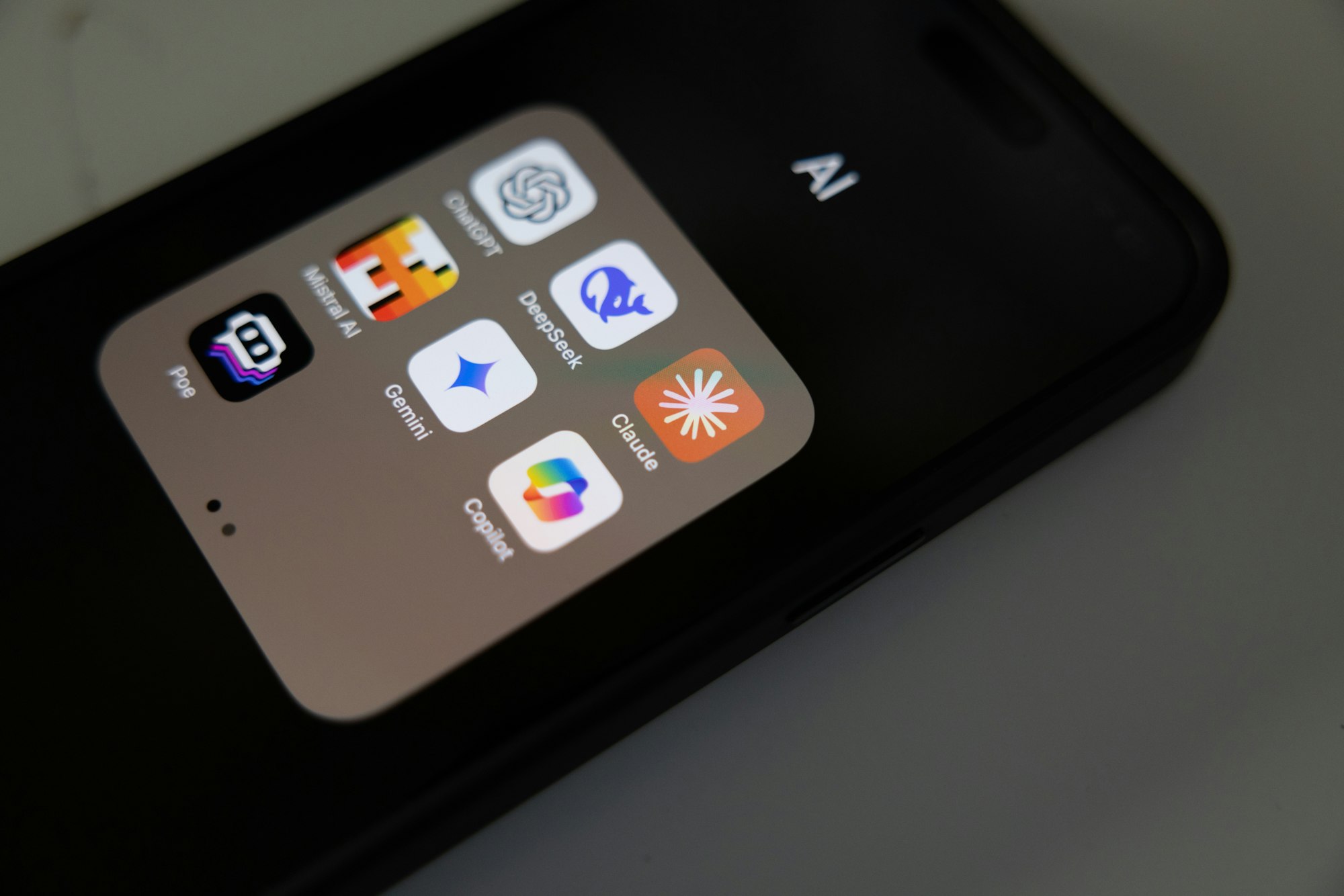
In a groundbreaking development that could reshape the artificial intelligence landscape, Anthropic AI has agreed to pay $1.5 billion to settle a copyright infringement lawsuit brought by a group of authors who alleged the platform had illegally used pirated copies of their books to train large-language models. The settlement, if approved by the court, would be the largest in the history of American copyright cases and establishes a crucial precedent for how AI companies handle copyrighted material.
The Ethics of AI Training: Privacy, Piracy, and the Case of LibGen
The Heart of the Controversy
The class-action lawsuit, filed in federal court in California in 2024, centered on three authors—thriller novelist Andrea Bartz and nonfiction writers Charles Graeber and Kirk Wallace Johnson—who sued last year and now represent a broader group of writers and publishers whose books Anthropic downloaded to train its chatbot Claude.
What made this case particularly damning was not just that Anthropic used copyrighted material, but how they obtained it. Alsup’s June ruling found that Anthropic had downloaded more than 7 million digitized books that it “knew had been pirated”, including content from notorious piracy sites. Anthropic later took at least 5 million copies from the pirate website Library Genesis, or LibGen, and at least 2 million copies from the Pirate Library Mirror.
A Split Decision That Led to Settlement
The legal ruling in June created a fascinating split that ultimately led to this massive settlement. Senior U.S. District Judge William Alsup supported Anthropic’s argument, stating the company’s use of books by the plaintiffs to train their AI model was acceptable. “The training use was a fair use,” he wrote. This was significant because it represented the first substantive decision on how fair use applies to generative AI systems.
However, the judge drew a crucial distinction between training AI models and how the data was obtained. Alsup did not approve of Anthropic’s view “that the pirated library copies must be treated as training copies,” and is allowing the authors’ piracy complaint to proceed to trial.
The $3,000 Per Book Formula
The settlement breaks down to approximately $3,000 per work covered by the settlement, with the lawsuit centered on roughly 500,000 published works. But this isn’t just a fixed amount—if the Works List ultimately exceeds 500,000 works, then Anthropic will pay an additional $3,000 per work that Anthropic adds to the Works List above 500,000 works.
To put this in perspective, the settlement amount is 4 times larger than $750 statutory damages amount that a jury could award and 15 times larger than the $200 amount if Anthropic were to prevail on its defense of innocent infringement. The potential damages if the case had gone to trial could have been even more catastrophic for Anthropic. “We were looking at a strong possibility of multiple billions of dollars, enough to potentially cripple or even put Anthropic out of business,” said William Long, a legal analyst for Wolters Kluwer.
Privacy and Data Rights Implications
This settlement has profound implications that extend far beyond copyright law into the realm of privacy and data rights:
Consent and Transparency: The case highlights how AI companies have been operating with a “take first, ask questions later” approach to data acquisition. Anthropic’s willingness to pay $1.5 billion suggests that obtaining data without proper consent—even if the eventual use might be considered transformative—carries serious legal and financial risks.
Data Source Integrity: The distinction the court made between legitimate acquisition and piracy sends a clear message: how you obtain data matters as much as how you use it. This principle could extend to other forms of personal data collection, reinforcing the importance of transparent and lawful data acquisition practices.
Individual vs. Corporate Rights: Maria Pallante, president and CEO of the American Association of Publishers, said in a statement that the settlement “will drive home the important message to all artificial intelligence companies that copying books from shadow libraries or other pirate sources to use as the building blocks for their businesses has serious consequences”.
The Broader Legal Landscape
This settlement doesn’t exist in isolation. There are dozens of similar copyright lawsuits working through the courts right now, with cases filed against all the top players—not only Anthropic and Meta but Google, OpenAI, Microsoft, and more. The outcomes of these cases are set to have enormous impacts on AI development.
Recent decisions have been mixed. In Meta’s case, district judge Vince Chhabria made a different argument. He also sided with the technology company, but he focused his ruling instead on the issue of whether or not Meta had harmed the market for the authors’ work. Meanwhile, in February 2025, Judge Stephanos Bibas granted summary judgment for Thomson Reuters, rejecting all of ROSS’s copyright defenses, including fair use in a case involving AI-powered legal research tools.
What This Means for the Future
The Anthropic settlement represents a watershed moment in AI regulation and data rights:
- Higher Standards for Data Acquisition: AI companies can no longer assume that any publicly available data is fair game. The source and method of acquisition will face increased scrutiny.2. Licensing Over Litigation: Since the lawsuit was settled instead of going to trial, it will not set a legal precedent. But it raises the stakes for dozens of similar lawsuits and could push more AI companies toward licensing.3. Privacy by Design: The case reinforces the importance of building privacy and consent mechanisms into AI development from the ground up, rather than as an afterthought.4. Transparency Requirements: Users and content creators will likely demand greater transparency about what data is being used to train AI systems and how it was obtained.
The Bottom Line
“This settlement sends a powerful message to AI companies and creators alike that taking copyrighted works from these pirate websites is wrong,” Justin Nelson, the attorney for the plaintiffs, told CNBC. But the implications go deeper than copyright—this case establishes that in the AI era, how you collect and use data matters enormously, both legally and ethically.
For privacy advocates, this settlement represents a significant victory in establishing that consent, transparency, and lawful data acquisition aren’t optional in AI development—they’re essential. As AI continues to evolve and permeate every aspect of our digital lives, the principles established in this case will likely serve as a foundation for broader data rights protections.
The $1.5 billion price tag isn’t just compensation for authors—it’s a down payment on a more transparent, consent-based approach to AI development that respects both intellectual property and privacy rights. Whether other AI companies learn from Anthropic’s expensive lesson remains to be seen, but the message is clear: in the age of AI, proper data governance isn’t just good ethics—it’s good business.
This article covers the landmark Anthropic settlement and its broader implications for privacy and data rights. For the latest updates on AI copyright litigation and privacy developments, continue following our coverage.