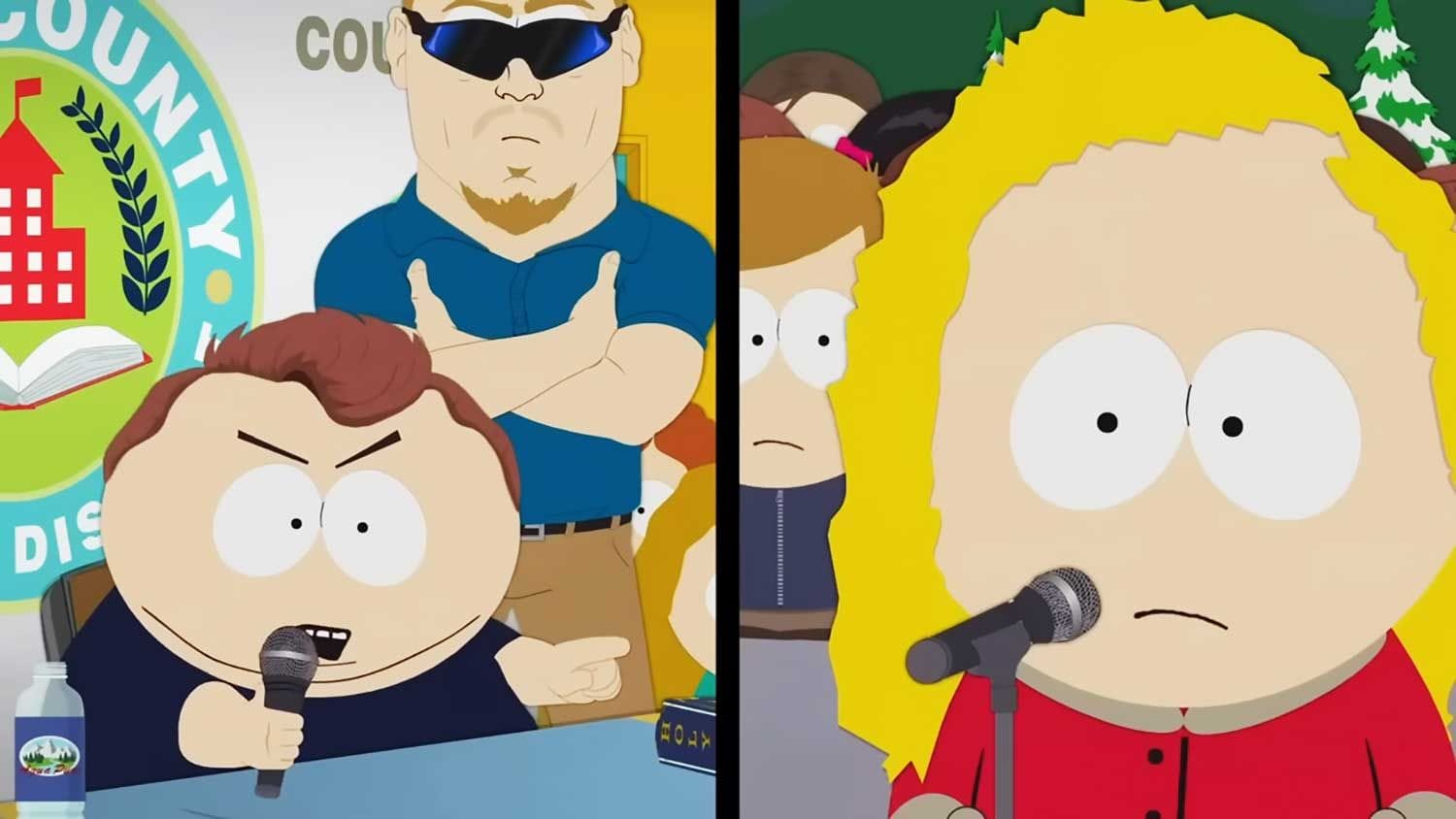
In the hours following conservative activist Charlie Kirk’s assassination at Utah Valley University, something chilling unfolded across American social media platforms—a real-time demonstration of how our digital age has transformed public discourse into a surveillance panopticon where every impulse, every unguarded moment, every burst of emotion becomes permanent evidence against us.
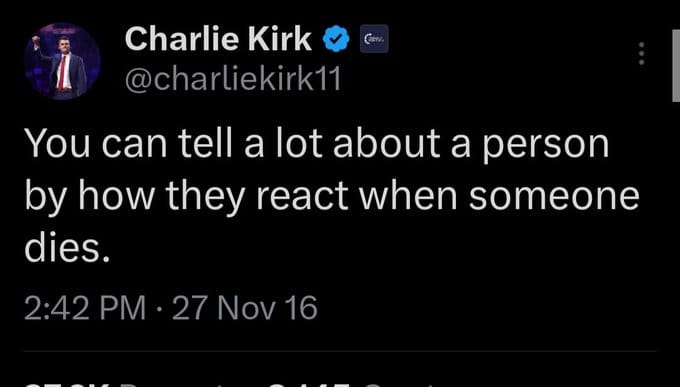 Expose Charlie’s Murderers
What emerged wasn’t just the typical political polarization that follows tragic events. Instead, we witnessed a coordinated campaign of digital hunting that would make Charlie Brooker’s “Black Mirror” seem quaint by comparison. Americans, in their rush to share their unfiltered reactions to Kirk’s death, essentially became their own prosecutors, creating a permanent record of thoughts they likely never intended for their employers, neighbors, or a hostile internet mob to dissect.
The Great Self-Snitching of 2025
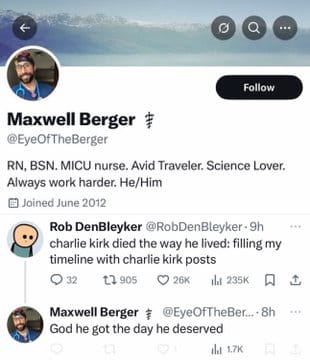
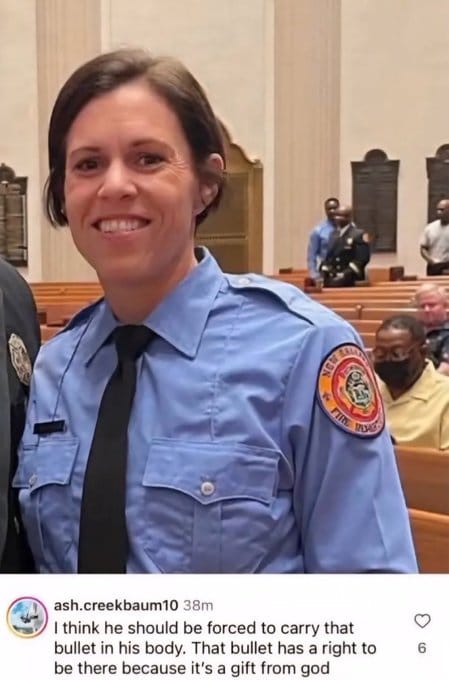
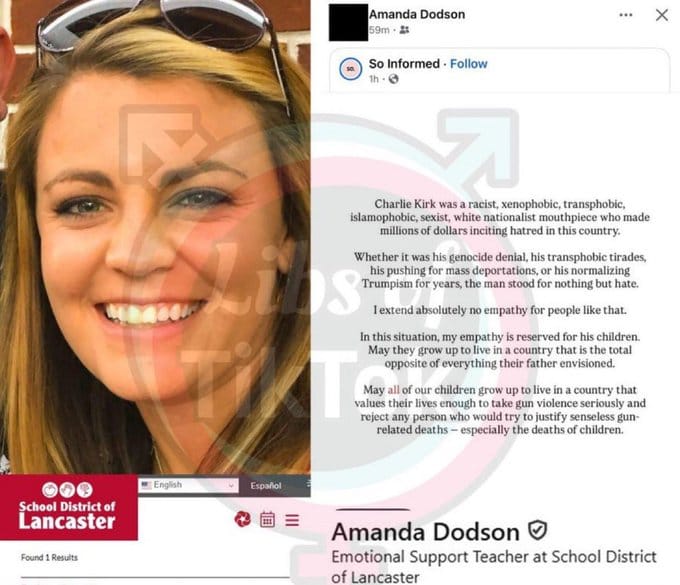
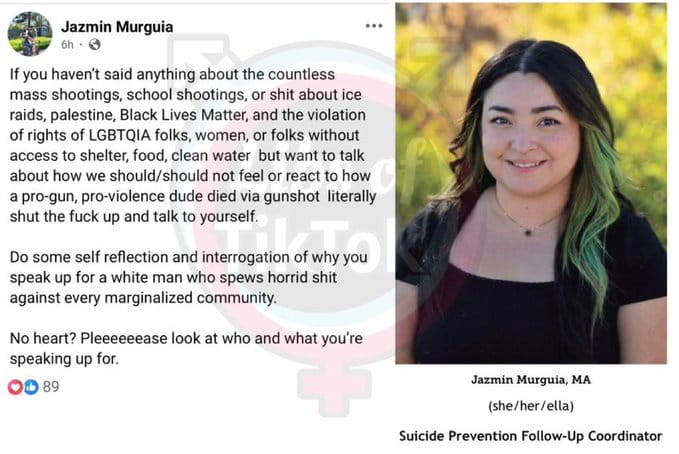
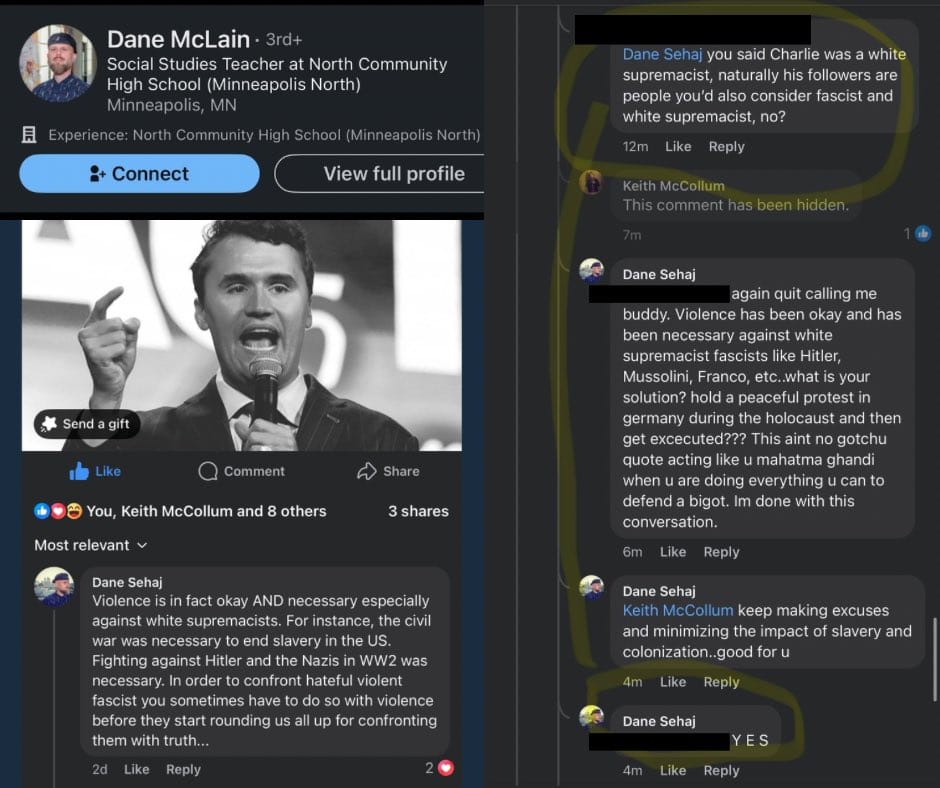
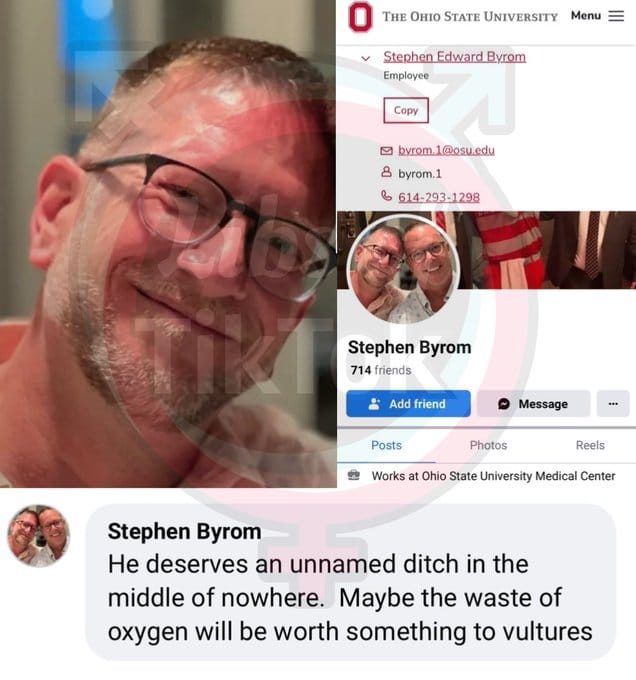
Within 24 hours of Kirk’s death, an assistant dean at Middle Tennessee State University, a Carolina Panthers communications staffer, employees from companies ranging from Freddy’s Frozen Custard to major airlines, and dozens of teachers across the country found themselves unemployed. Their crime? Posting their immediate, unfiltered reactions to social media platforms that they seemed to forget were public forums scrutinized by millions.
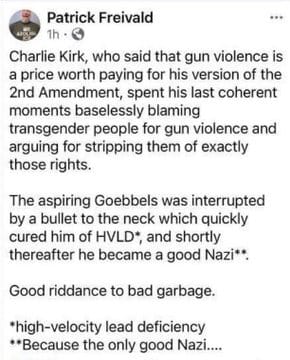
The posts ranged from dark humor to explicit celebration. Some wrote “karma’s a bitch” while others posted “Good riddance to bad garbage.” One assistant dean at MTSU wrote: “Looks like ol’Charlie spoke his fate into existence. Hate begets hate. ZERO sympathy.” A high school teacher in Iowa allegedly posted “1 Nazi down” on Facebook.
These weren’t anonymous accounts or private messages leaked by hackers. These were people voluntarily broadcasting their thoughts on platforms linked to their real names, their workplaces, their professional profiles. In essence, they were creating their own digital indictments, complete with timestamps and screenshots that would be weaponized against them within hours.
HOLY SHIT!!
Staff at @OfficeDepot in Michigan refused to print Charlie Kirk tribute posters for tonight’s vigils, dismissing them as “PROPAGANDA.
pic.twitter.com/tU4xrcy7Ea— I Meme Therefore I Am 🇺🇸 (@ImMeme0) September 12, 2025
The Doxxing Assembly Line
What followed was perhaps the most efficient doxxing operation in recent American history. A website called “Expose Charlie’s Murderers” emerged, claiming to have received “nearly 30,000 submissions” and promising to become “a searchable database” of people who commented on Kirk’s death. The site, which describes itself as “the largest firing operation in history,” doesn’t just collect names—it creates a permanent archive of perceived enemies.
Conservative influencers like Chaya Raichik (Libs of TikTok) and Laura Loomer began systematically cataloging social media posts, often tagging employers directly. Republican elected officials joined the effort, with Senator Marsha Blackburn calling for the firing of university employees and Rep. Nancy Mace encouraging the dismissal of public school teachers.
The operation moved with corporate efficiency. Posts were screenshotted, archived, and distributed across networks of activists who then contacted employers, school districts, and professional licensing boards. Some social media users assisted by collecting posts under hashtags like “#RevolutionariesintheRanks” to help identify military personnel who had posted anything remotely critical.
In this post below there about 50 other examples:
🇺🇸 “Do you support Charlie Kirk being killed?”
“Yes” “Yes I do”
pic.twitter.com/27BiEQx9S6— Lord Bebo (@MyLordBebo) September 11, 2025
The Panopticon Effect
What makes this phenomenon particularly dystopian is how it reveals the true nature of our social media landscape. Platforms that market themselves as spaces for “authentic” expression and “connecting with friends” have become something far more sinister: a comprehensive surveillance system where every American citizen has been convinced to voluntarily monitor themselves and their neighbors.
Jeremy Bentham’s panopticon—the theoretical prison where inmates never know if they’re being watched—has been realized not through government surveillance but through social media companies convincing us to build our own cells. Every Facebook post, every tweet, every TikTok video becomes potential evidence in a future investigation we didn’t know we’d be subjected to.
The Charlie Kirk aftermath demonstrates how this system operates at scale. People whose posts had been highlighted say they’re now receiving “a barrage of harassment” and are worried about becoming victims of violence. The threat isn’t just unemployment—it’s total social destruction, complete digital exile from American economic and social life.
Beyond Employment: The Expanding Circle of Consequences
The consequences have extended far beyond job losses. Defense Secretary Pete Hegseth ordered Pentagon staff to hunt for military personnel who mocked Kirk’s death, while state education departments in Florida and Oklahoma launched investigations into teachers who made comments deemed inappropriate.
DC Comics canceled an entire comic book series after its author made social media comments about Kirk’s death. MSNBC fired senior political analyst Matthew Dowd after he suggested Kirk’s rhetoric might have contributed to his own shooting. Even private companies like Delta Air Lines and the Carolina Panthers moved swiftly to distance themselves from employees’ personal social media activity.
The message is clear: there is no private digital space. Your employer, your community, your government—all have access to your unguarded moments. The boundary between public and private discourse has been obliterated, and Americans are still posting as if it exists.


The Weaponization of Grief
Perhaps most disturbing is how grief and trauma have been weaponized in this digital war. Kirk’s assassination was undeniably tragic—a 31-year-old father killed in front of hundreds of people, his death captured on video and immediately disseminated across the internet. The appropriate response is obviously compassion for his family and condemnation of political violence.
But the organized campaign that followed Kirk’s death wasn’t about protecting his memory or preventing future violence. It was about using tragedy as justification for a systematic purge of dissenting voices. “Prepare to have your whole future professional aspirations ruined if you are sick enough to celebrate his death,” warned conspiracy theorist Laura Loomer.
The campaigns also revealed stunning hypocrisy. Some of the same figures demanding accountability for insensitive posts about Kirk had previously mocked other victims of political violence, including making jokes about the hammer attack on Paul Pelosi.
Charlie Kirk’s Death Exposed the Biggest Scam in History.
Video by: Chase Hughes (@NCIUniversity) pic.twitter.com/F6FJ1QQTYl— 𝙰𝚊𝚗𝚘𝚗 (@AAnon55) September 13, 2025
Digital Literacy for a Surveillance State
The Charlie Kirk aftermath should serve as a wake-up call about the digital world we’ve constructed around ourselves. Every social media platform is a potential courtroom where your momentary lapses in judgment become evidence for prosecutors you’ll never see coming.
This isn’t an argument for censoring yourself into political silence—though that’s clearly the intended effect. Rather, it’s a recognition that we need new frameworks for understanding digital privacy and speech in an era where both have been systematically destroyed.
Americans posting their immediate reactions to Kirk’s death weren’t necessarily celebrating violence or wishing death on their political opponents. Many were processing grief, trauma, and complex emotions about a polarizing figure in real-time, on platforms designed to encourage immediate, unfiltered responses. But in our current digital environment, processing emotions publicly has become tantamount to creating evidence for your own prosecution.
The End of Spontaneous Expression
What we’re witnessing is the death of spontaneous political expression in America. As one expert noted, “If we create a climate of fear so that everyone is afraid to talk, then we’ve actually kind of accomplished the goals of people who wanted to silence opposition.”
The Charlie Kirk doxxing campaign succeeds because it exploits the fundamental architecture of social media: platforms designed to capture and monetize our unguarded moments, combined with search tools that make those moments instantly accessible to hostile actors, and professional cultures that have abdicated any responsibility to protect employees’ private expression.
This isn’t just about Charlie Kirk or conservative politics. It’s about the realization that we’ve built a digital infrastructure that makes it impossible to be human—to have complex, contradictory, or even temporarily misguided emotions—without risking complete social and economic destruction.
The Black Mirror episode writes itself: a society so surveilled and documented that citizens police each other’s thoughts, where a moment of poor judgment becomes a life sentence, and where the promise of digital connection delivers perfect digital isolation instead. Except this isn’t science fiction—it’s happening right now, one screenshot at a time.
In this new America, every post is a potential confession, every platform a courtroom, and every citizen both prisoner and guard in the panopticon we’ve built around ourselves.