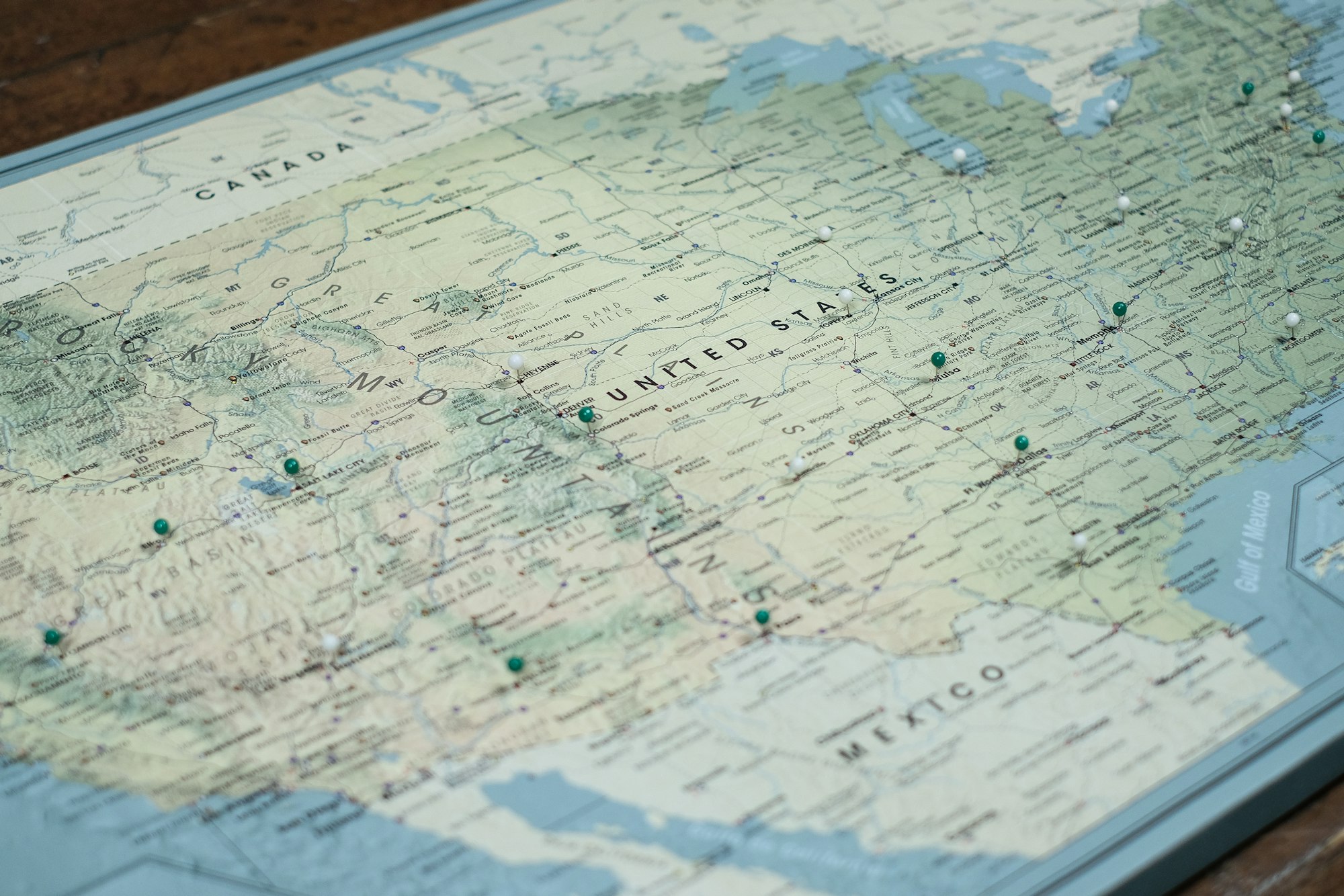
The absence of a comprehensive federal privacy law in the United States has led to a fragmented landscape of state-level regulations. As more states enact their own privacy laws, businesses are faced with the challenge of navigating varying compliance requirements across different jurisdictions. This article explores the implications of this patchwork approach, focusing on recent developments in states like Florida, Texas, Oregon, and Montana, whose privacy laws will come into effect in 2024.
Navigating the Patchwork: A Comparison of State-Specific Healthcare Data Protection Laws
The Patchwork of State Privacy Laws
In 2024, several states will see their newly enacted privacy laws come into effect, adding to the growing complexity of data protection in the U.S.:
- Florida’s Digital Bill of Rights: Effective July 1, 2024, this law applies to entities conducting business in Florida or producing products or services used by Florida residents. It focuses on consumer rights and data processing transparency, though it has a narrow scope, primarily affecting large businesses with significant revenue from online advertising[1][5].- Texas Data Privacy and Security Act: Also effective July 1, 2024, this law targets businesses that process or sell personal data in Texas. It includes provisions for consumer consent and data protection, with specific exclusions for small businesses and certain industries[5].
Ken Paxton Secures $1.4 Billion Settlement with Meta Over Biometric Data Violations
- Oregon Consumer Privacy Act: Taking effect on July 1, 2024, this law applies to businesses handling the personal data of a significant number of Oregon residents. It emphasizes consumer rights and data processing limitations[5].- Montana Consumer Data Privacy Act: Effective October 1, 2024, this law adds to the list of states with comprehensive privacy legislation, focusing on consumer rights and data controller obligations[1][3].
A Comprehensive Guide to U.S. State Data Breach Notification Compliance
Challenges for Businesses
The proliferation of state privacy laws presents several challenges for businesses:
- Compliance Complexity: Each state law has unique provisions and requirements, necessitating tailored compliance strategies. Businesses must conduct detailed data mapping and impact assessments to ensure adherence to varying state laws[1][3].- Increased Costs: The need to comply with multiple, sometimes conflicting, state regulations results in higher compliance costs. Businesses must invest in legal and technical resources to navigate these complexities[6].- Risk of Non-Compliance: Failure to comply with state-specific laws can lead to legal risks, including fines and penalties. Businesses must stay informed about evolving regulations and ensure robust compliance mechanisms are in place[7].
The Complex Web of Data Breach Reporting in the US: State Laws and SEC 8K Regulations
Strategies for Navigating Fragmented Legislation
To effectively manage the challenges posed by fragmented state privacy laws, businesses can adopt the following strategies:
- Centralized Compliance Framework: Develop a centralized framework that aligns with the most stringent state requirements, ensuring a baseline compliance that can be adapted to specific state laws as needed.- Regular Audits and Assessments: Conduct regular audits and data protection impact assessments to identify compliance gaps and address them proactively[1][3].- Consumer Transparency: Enhance transparency by clearly communicating data practices and consumer rights. Implement easy-to-use mechanisms for consumers to exercise their rights, such as opt-out options and data access requests[4].- Leverage Technology: Utilize privacy-enhancing technologies and tools to automate compliance processes and reduce the risk of human error[4].
Data Breach Notification Sites Attorney General and Consumer Protection URLs
Conclusion
The fragmented landscape of U.S. state privacy laws presents significant challenges for businesses operating across multiple jurisdictions. By adopting comprehensive compliance strategies and staying informed about regulatory developments, businesses can navigate these complexities and protect consumer data effectively. As the push for a unified federal privacy law continues, businesses must remain adaptable and proactive in their approach to data privacy.
New Mexico’s Legal Battle Against Meta: A Stand Against Child Exploitation on Facebook and Instagram
Citations: [1] https://www.whitecase.com/insight-alert/what-expect-us-privacy-2024 [2] https://iapp.org/resources/article/us-state-privacy-legislation-tracker/ [3] https://www.clearygottlieb.com/news-and-insights/publication-listing/privacy-and-data-protection-compliance-will-become-more-fragmented-in-2024 [4] https://www.enzuzo.com/blog/data-privacy-statistics [5] https://www.constangy.com/constangy-cyber-advisor/countdown-to-3-new-data-privacy-laws-texas-oregon-florida [6] https://itif.org/publications/2022/01/24/looming-cost-patchwork-state-privacy-laws/ [7] https://www.directorsandboards.com/board-issues/ai/the-risks-of-fragmented-privacy-and-ai-regulations/