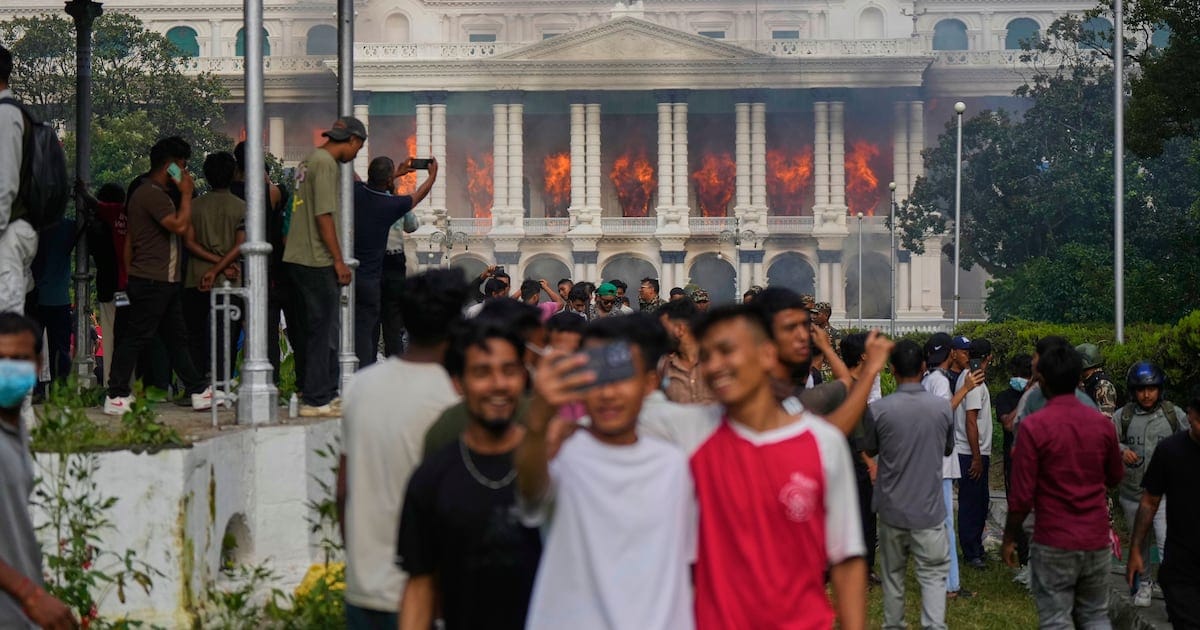
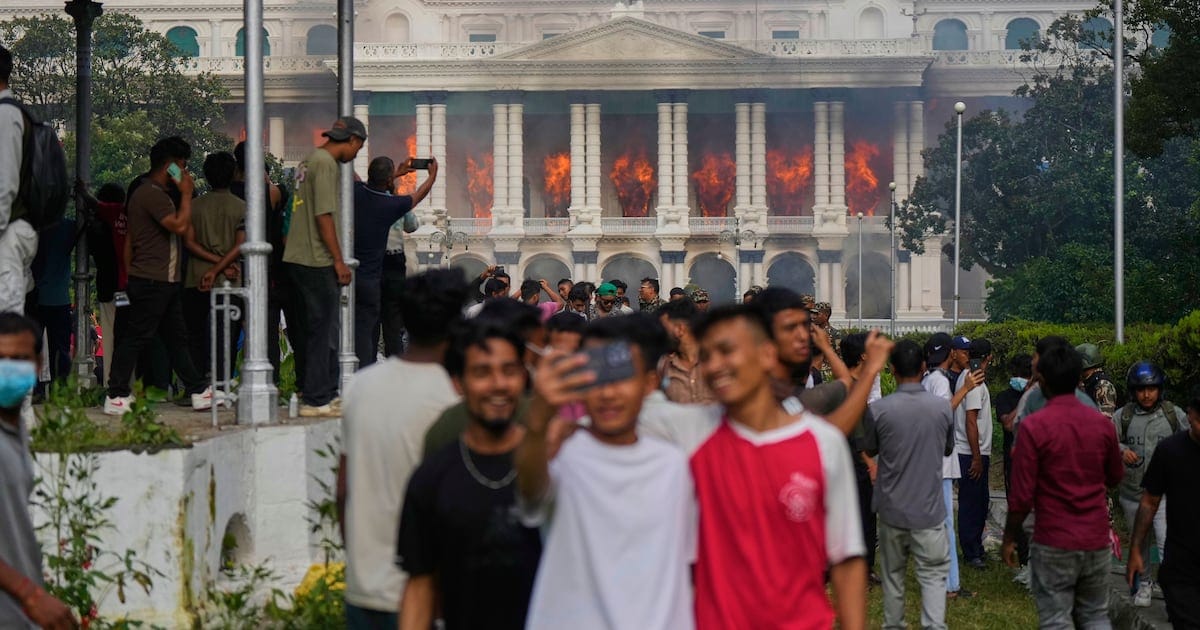
Bottom Line: What began as a social media registration dispute in Nepal has exploded into the country’s deadliest unrest in decades, forcing the Prime Minister to resign after Gen Z protesters set fire to government buildings and political leaders’ homes. The crisis reveals how digital governance failures can rapidly destabilize democratic institutions.
In less than a week, Nepal has witnessed one of the most dramatic political collapses of the digital age. What started as our previously reported social media platform ban has escalated into a full-scale revolution that has toppled the government, killed at least 19 people, and sent shockwaves through the international community.
The Rapid Escalation: From Ban to Bloodshed
The timeline of events reads like a textbook case of how digital policy missteps can trigger massive political upheaval:
September 5: Nepal’s government begins blocking 26 social media platforms including Facebook, Instagram, YouTube, and X after they failed to meet registration requirements.
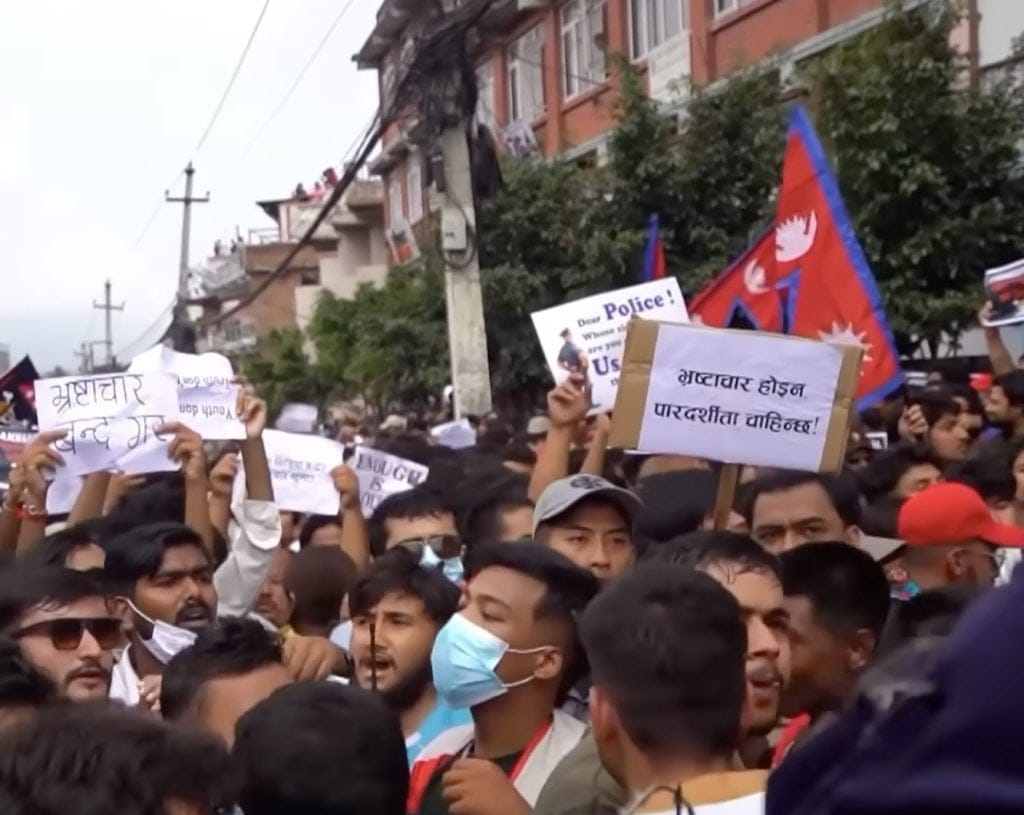
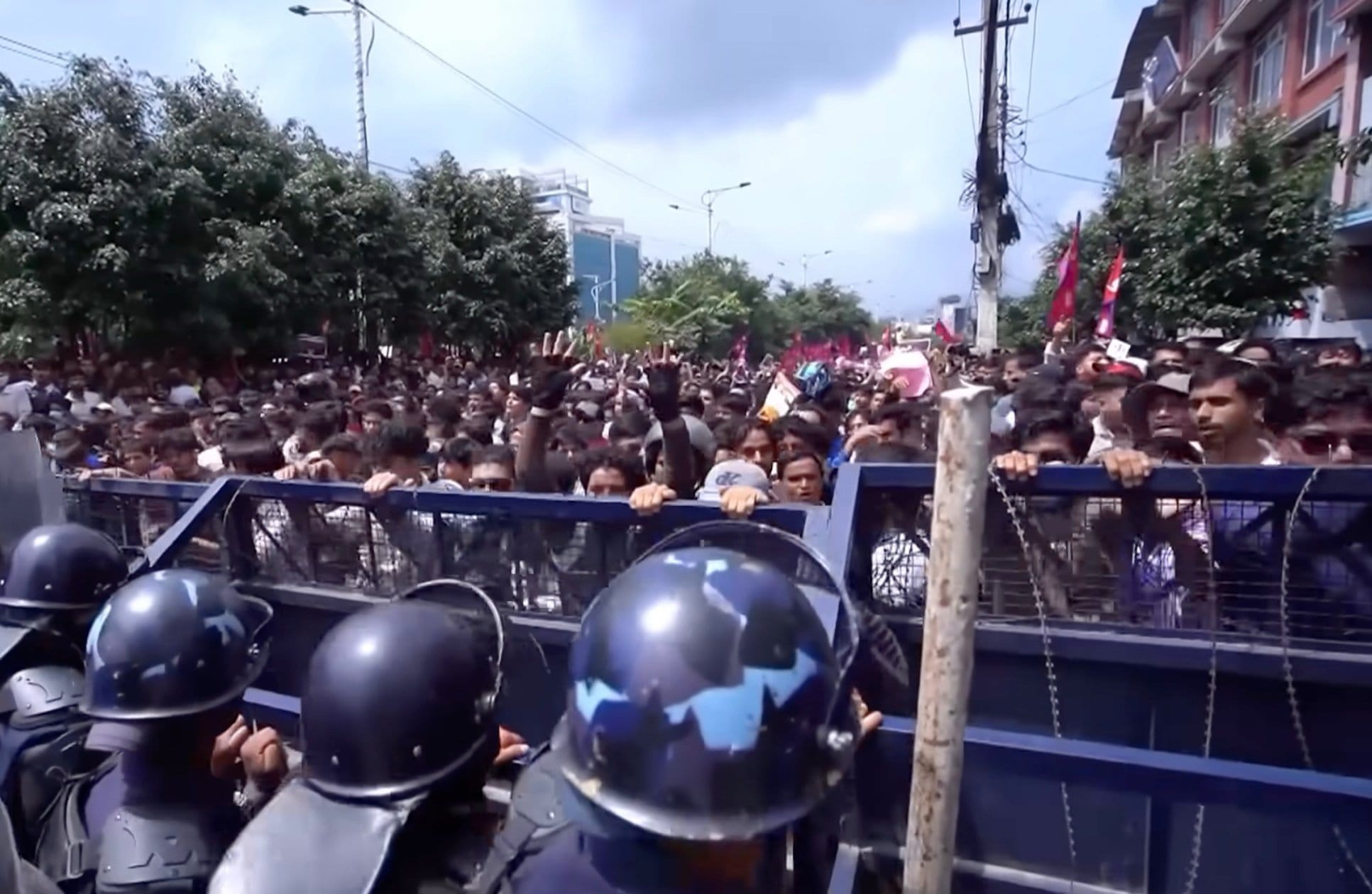
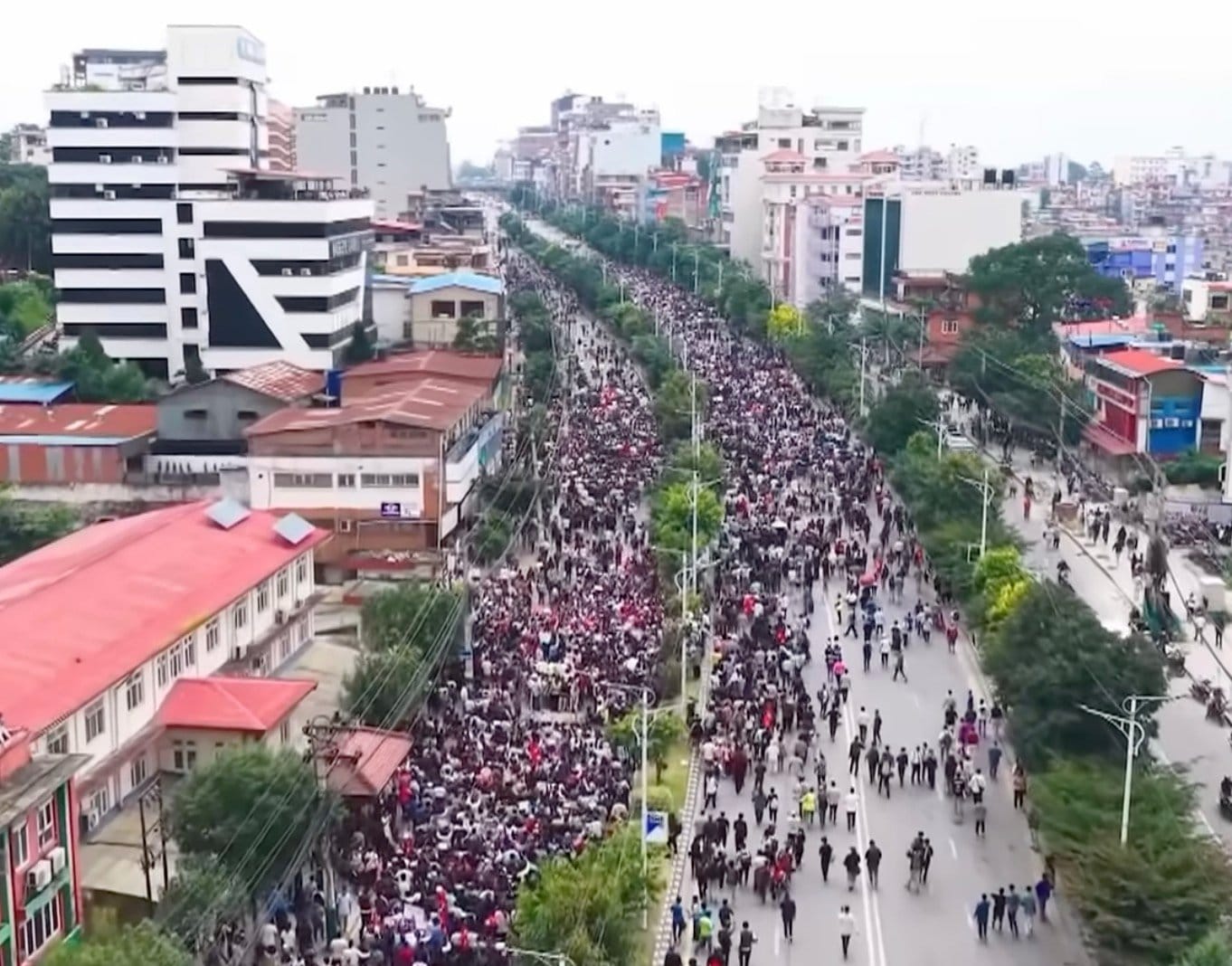
September 8-9: Gen Z-led protests erupt across the country, with police opening fire on demonstrators in Kathmandu, killing 19 people and wounding hundreds.
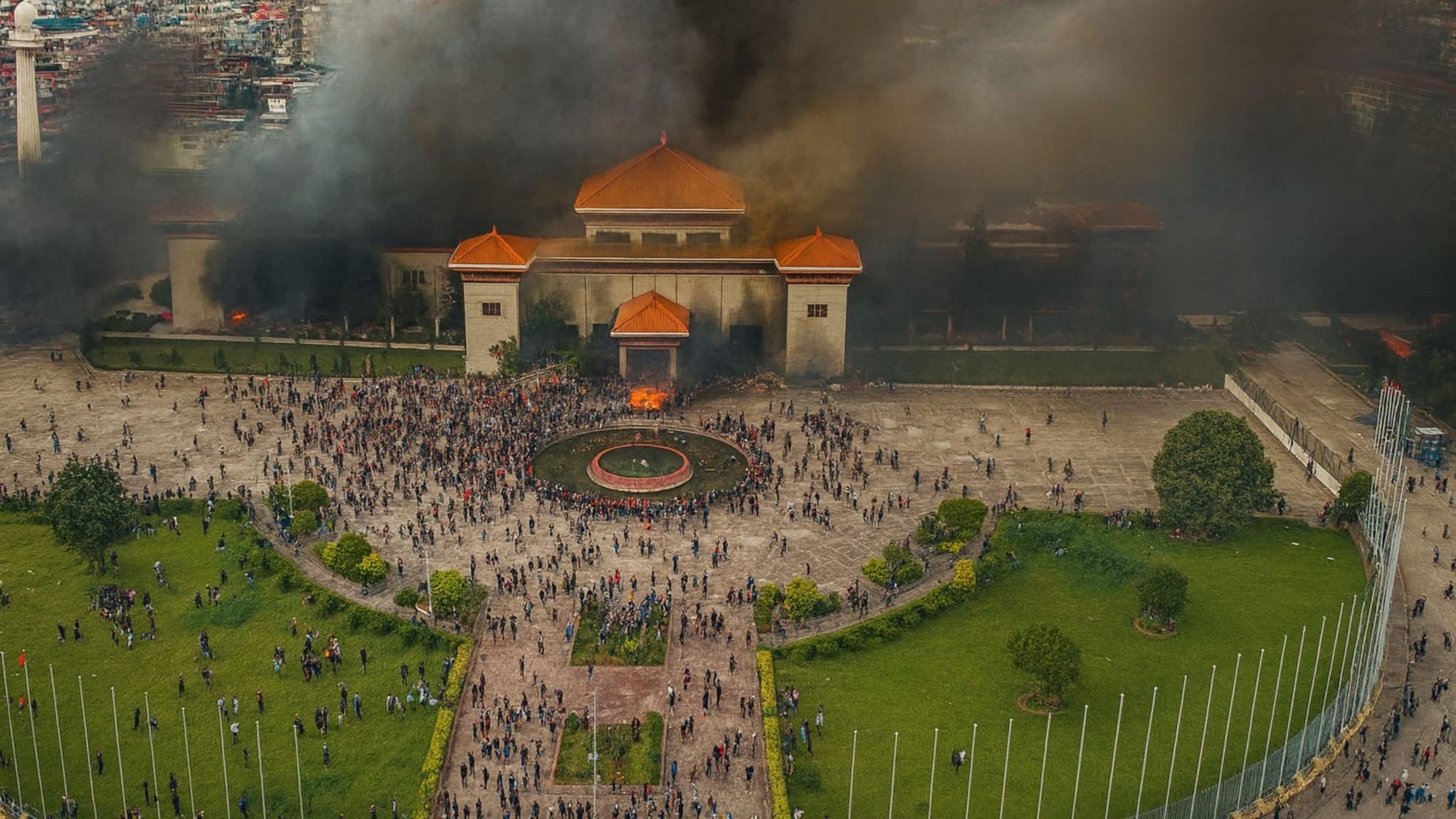
September 9: Protesters storm government buildings, set fire to Parliament, the Supreme Court, and the homes of top political leaders, forcing Prime Minister KP Sharma Oli to resign.
September 10: The government hastily lifts the social media ban, but protests continue as demonstrators demand broader political change.
The Finance Minister Incident: A Symbol of Rage
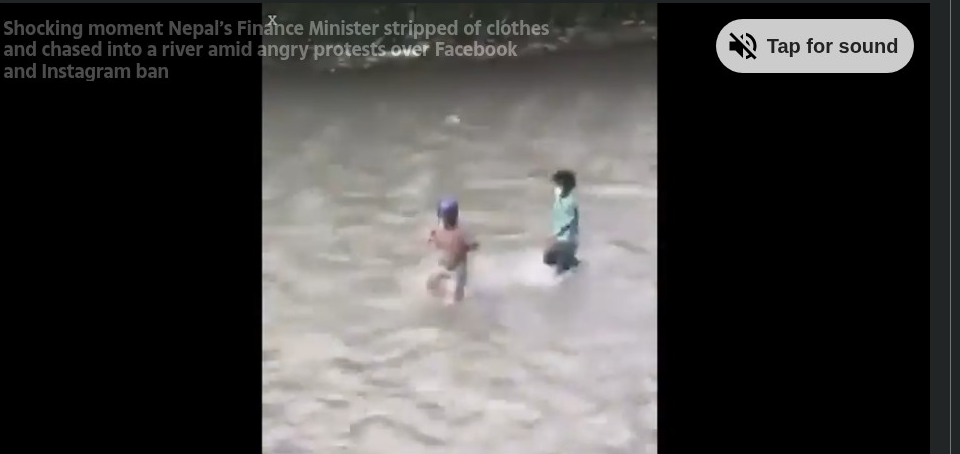
Perhaps no single image captured the depth of public fury more than the viral video showing Nepal’s Finance Minister being stripped of his clothes and chased into a river by angry protesters. This humiliating scene, broadcast across social media platforms that the government had tried to ban just days earlier, became a powerful symbol of the regime’s complete loss of authority.
The incident demonstrates how quickly digital-age protests can escalate beyond traditional political boundaries, with public officials facing unprecedented personal accountability for government failures.
Beyond Social Media: The Deeper Crisis
While the social media ban provided the immediate catalyst, the protests quickly revealed deeper structural problems plaguing Nepal’s democracy:
Youth Unemployment and Economic Desperation
With youth unemployment at 20.8% in 2024 and more than 2,000 young people leaving the country daily to seek work abroad, Nepal’s economy has failed an entire generation. Personal remittances now account for 33.1% of Nepal’s GDP, highlighting the country’s dangerous dependence on overseas workers.
The “Nepo Kids” Phenomenon
A viral movement against “Nepo Kids” – politicians’ children flaunting their designer handbags and luxury travel while most citizens struggle economically – has amplified anger about inequality and corruption. These social media posts, ironically shared on the very platforms the government tried to ban, became rallying points for protesters.
Systemic Corruption
The protests reflected “growing frustration and dissatisfaction against the political parties among the people who blame them for corruption”, with demonstrators chanting “Stop the ban on social media, stop corruption not social media”.
The Government’s Fatal Miscalculation
The Oli administration’s approach to the crisis revealed a fundamental misunderstanding of digital-age governance:
Disproportionate Response
When faced with peaceful protests, police opened fire with live ammunition, killing 19 people and wounding hundreds. The UN Human Rights office received “several deeply worrying allegations of unnecessary or disproportionate use of force by security forces”.
Too Little, Too Late
The government’s decision to lift the social media ban on September 9, just as protests peaked, appeared as a desperate attempt to contain a crisis that had already spiraled beyond control. By then, the movement had evolved far beyond digital rights into a comprehensive rejection of the political establishment.
Complete Loss of Authority
Video footage showing protesters storming Parliament, setting fire to the Supreme Court, and ransacking the Prime Minister’s residence demonstrated the government’s total inability to maintain order. Military helicopters had to evacuate ministers from their besieged homes.
International Implications and Concerns
The international response has been swift and concerned:
UN and Human Rights Organizations
UN Secretary-General António Guterres called for a “thorough investigation” and “restraint to avoid further escalation of violence”, while Amnesty International stated that “the use of lethal force against protesters not posing an imminent threat of death or serious injury is a grave violation of international law”.
Economic and Investment Concerns
Experts warn that Nepal’s actions could harm its international reputation and investment climate, particularly as the country prepares to graduate from least developed country (LDC) status in 2026. The restrictions have created additional risks for IT and digital service exporters, with foreign clients becoming hesitant to engage with Nepali firms.
Digital Freedom Rankings
Digital rights advocate Santosh Sigdel warned that Nepal, previously recognized as an open and liberal society, risks joining countries such as North Korea, China, Pakistan, Afghanistan, and Turkey in restricting digital freedoms.
The Cybersecurity Paradox
The crisis highlights a critical contradiction in Nepal’s digital governance approach. As our previous analysis showed, Nepal faces legitimate cybersecurity challenges:
- 4,937 cybercrime cases registered between September 2022 and April 2023 alone- 340% annual growth in publicly reported hacking incidents- Over 80% of Nepal’s websites remain vulnerable to cyber attacks
However, the government’s heavy-handed approach to platform regulation has undermined rather than enhanced digital security by:
- Eroding Public Trust: The social media ban was widely seen as censorship rather than legitimate security measures2. Creating Digital Resistance: Tech-savvy Gen Z protesters used VPNs and alternative platforms to organize and communicate3. Damaging International Cooperation: The crisis has strained relationships with global tech companies whose cooperation is essential for effective cybersecurity
What Comes Next: Uncertain Political Future
As there is currently no party with a clear majority, lawmakers are more likely to form an interim government, with some Gen Z organizations potentially involved in discussions over who could lead. This represents a potentially historic moment where digital natives could gain direct political influence.
However, significant challenges remain:
Institutional Damage
With Parliament burned, the Supreme Court damaged, and multiple government buildings destroyed, Nepal faces the challenge of rebuilding basic democratic institutions.
Economic Disruption
During the nine-month TikTok ban in 2024, telecom companies collectively lost around Rs 5 billion. The current crisis, affecting much larger platforms and triggering broader economic disruption, will have far more severe financial consequences.
Regional Stability
India, where hundreds of thousands of Nepali migrant workers live, expressed being “deeply saddened by the loss of many young lives” and urged restraint, highlighting how Nepal’s internal crisis affects regional stability.
Lessons for Digital Governance Worldwide
Nepal’s crisis offers crucial lessons for governments worldwide grappling with social media regulation:
1. Proportionality Matters
Blanket platform bans, even when justified by legitimate regulatory concerns, can trigger massive backlash if perceived as disproportionate or censorious.
2. Stakeholder Engagement is Essential
The Nepali government’s failure to meaningfully engage with platforms and civil society before implementing the ban contributed to the crisis.
3. Economic Context is Critical
Digital restrictions imposed during periods of economic hardship and youth unemployment carry heightened risks of social unrest.
4. Gen Z Political Power
The protests demonstrate the unprecedented political mobilization capacity of digital natives who view internet access as a fundamental right rather than a privilege.
🎧 Related Podcast Episode
Conclusion: A Watershed Moment for Digital Democracy
The Nepal crisis represents a watershed moment in the relationship between digital governance and democratic legitimacy. It demonstrates how quickly digital policy failures can escalate into existential threats to political stability, particularly when combined with underlying economic and social grievances.
For Nepal, the immediate challenge is forming a stable government that can address the legitimate concerns raised by protesters while rebuilding damaged institutions. For the global community, Nepal’s experience serves as a stark reminder that digital governance in the 21st century requires nuanced approaches that balance security concerns with fundamental rights.
The sight of the Finance Minister being chased into a river by angry citizens will likely become an enduring symbol of what happens when governments lose touch with their people in the digital age. Whether Nepal can emerge from this crisis with stronger, more responsive democratic institutions remains to be seen, but one thing is clear: the old playbook for managing digital dissent has been definitively discredited.
As we monitor developments in Nepal, the international community must grapple with the broader implications of this crisis for digital governance, democratic stability, and the rights of digital natives who refuse to accept restrictions on their connected lives.
This crisis is still developing. For the latest updates on Nepal’s political situation and its implications for digital governance worldwide, continue following our coverage.