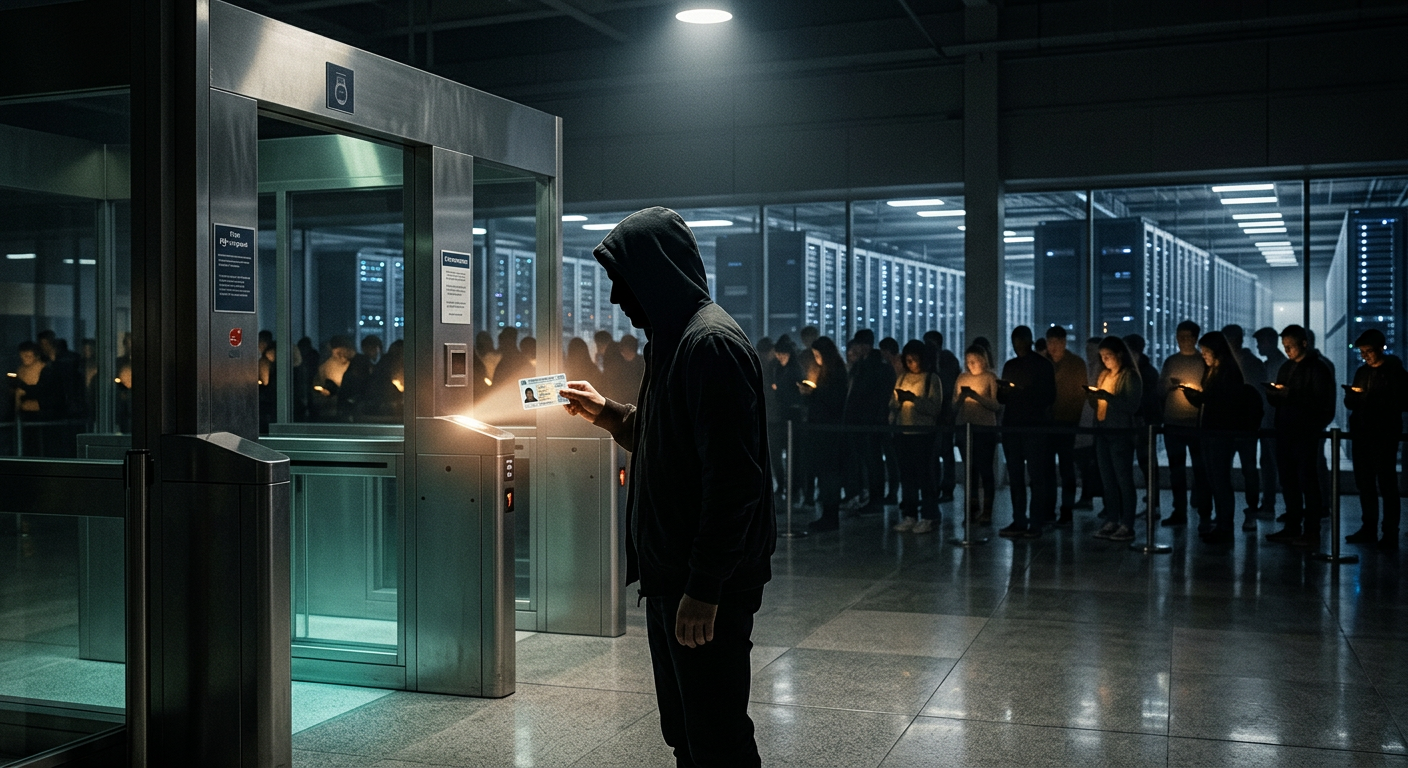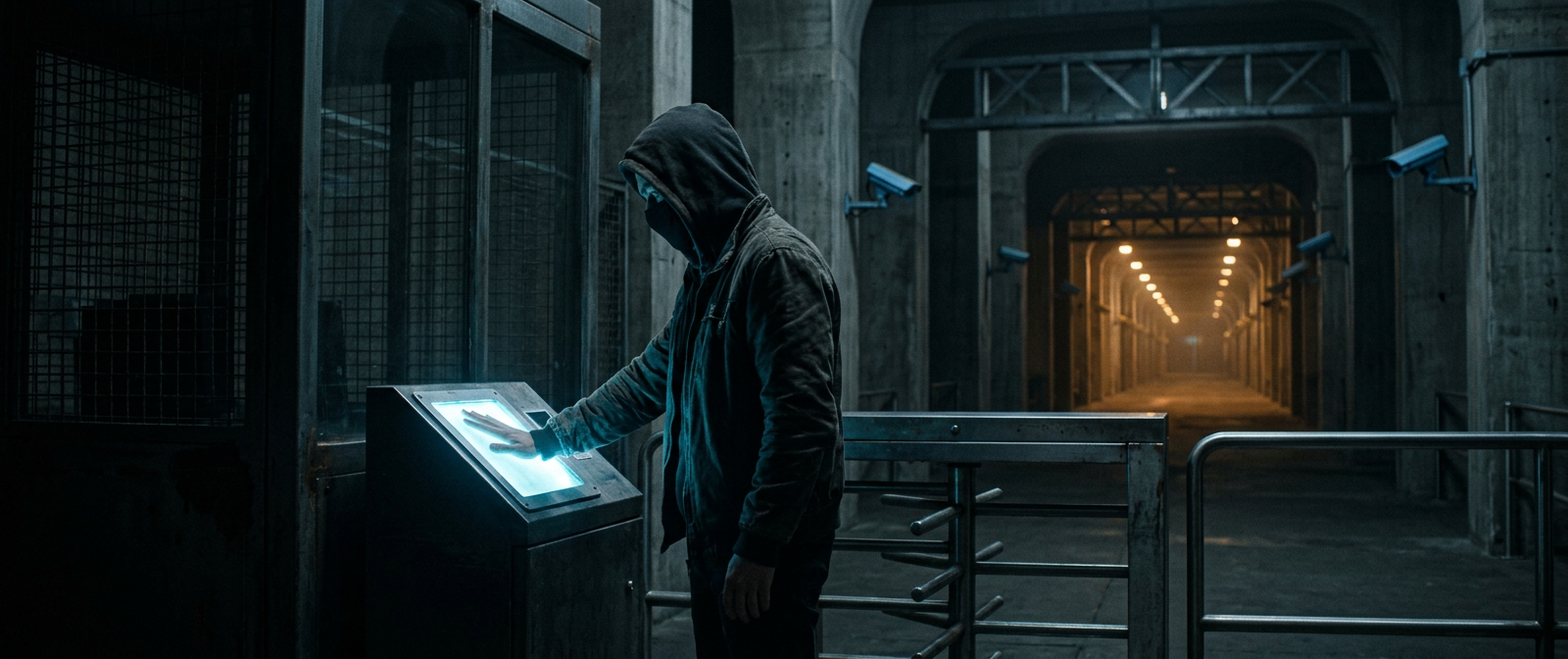
A week ago we wrote that the KIDS Act was designed to be impossible to vote against. Last night, the House proved the design works. The Kids Internet and Digital Safety Act passed 267-117, with 47 members not voting — the first time any version of the Kids Online Safety Act has made it out of the lower chamber since Senators Blumenthal and Blackburn introduced the original in 2022. On a day when the Supreme Court was busy extending the Fourth Amendment to your location history, the House spent its evening advancing a bill that would attach your legal identity to your browsing.
What actually passed
The package that cleared the floor matches the shape we described last week, with the deal-making now ratified by a large bipartisan majority. The famous duty of care — KOSA’s original core, the requirement that platforms take reasonable steps to prevent documented harms to minors — remains stripped out. In its place, the bill leans on design mandates and identity checks: age verification requirements for pornographic websites, a ban on private messaging for children under 13, a prohibition on disappearing-message features for teens under 17, safeguards and disclosure rules for minors interacting with AI chatbots and interactive video game platforms, and a COPPA update extending privacy protections to teenagers.
Each plank polls magnificently in isolation. Together they share a single enforcement problem that the bill’s sponsors have stopped pretending away: you cannot ban under-13s from DMs, or under-17s from vanishing messages, or minors from adult sites, without a mechanism for knowing who is under 13, under 17, or a minor. That mechanism is age verification, and age verification for some means identity infrastructure for all.
The vote tells you the politics; the dissent tells you the stakes
A 267-117 margin is a landslide by modern House standards, and it reflects the bill’s genuinely bipartisan construction — Energy and Commerce leaders from both parties built it, and members of both parties supplied the yes votes. But the 117 noes were not a fringe. They drew from both ends of the spectrum, and their objections rhymed: free-speech conservatives warning about government-mediated access to lawful content, progressive digital-rights allies warning about surveillance of the very teenagers the bill claims to protect.
Digital rights organizations were blunter. The Electronic Frontier Foundation’s verdict — that the package “would require age checks to get online” — has not softened, and groups across the civil-liberties spectrum spent the week before the vote warning that the House had produced a bill that is simultaneously weaker on platform accountability and stronger on identity verification than the KOSA the Senate passed 91-3 in 2024. That inversion is worth sitting with: the provision that made platforms answerable for their design choices died in negotiation; the provision that makes users prove who they are survived.
The Senate collision
The bill now heads to a Senate that passed a very different KOSA and is not pretending to be happy. Senator Blumenthal has already called the duty-of-care omission “a blank check to Mark Zuckerberg”; Senator Blackburn warned it lets tech companies keep “putting profit before the safety of our children.” The Senate’s institutional pride is invested in its version, and its sponsors view the House product as a hollowed-out imitation wearing their bill’s brand.
That sets up three possible futures. The Senate could swallow the House package to claim a long-sought win — the path platform lobbyists quietly prefer, since it buries the duty of care forever. It could restore the duty of care and volley the bill back, likely stalling it into the midterms. Or a conference could produce the worst-of-both outcome we flagged last week: duty of care and mandatory age verification, platform liability and identity infrastructure, stacked into one statute. Anyone who tells you they know which of these happens is guessing.
The pattern, one chamber closer
Step back from the legislative mechanics and the trajectory is unmistakable, because it is the same one we have tracked all month across three continents. The UK enacted its under-16 social media ban. The EU spent yesterday in a final trilogue over scanning private messages. Australia’s ban is in force, the UAE announced its own, and American statehouses have spent two years carding visitors to adult sites. The KIDS Act is the United States Congress joining a global consensus under construction: that access to ordinary digital life should be conditioned on verified identity, and that childhood safety is the justification that unlocks it.
We called it the anonymity tax, and last night 267 House members voted to levy it. The Senate now decides whether America’s version of the carded internet becomes law or becomes a conference-committee fight. What no vote can change is the arithmetic underneath: every age gate is an identity gate, every identity gate creates a record, and every record outlives the good intentions that created it. The bill’s title says it protects kids. Its machinery checks your papers. Watch the Senate calendar — and watch which of those two facts the debate chooses to discuss.