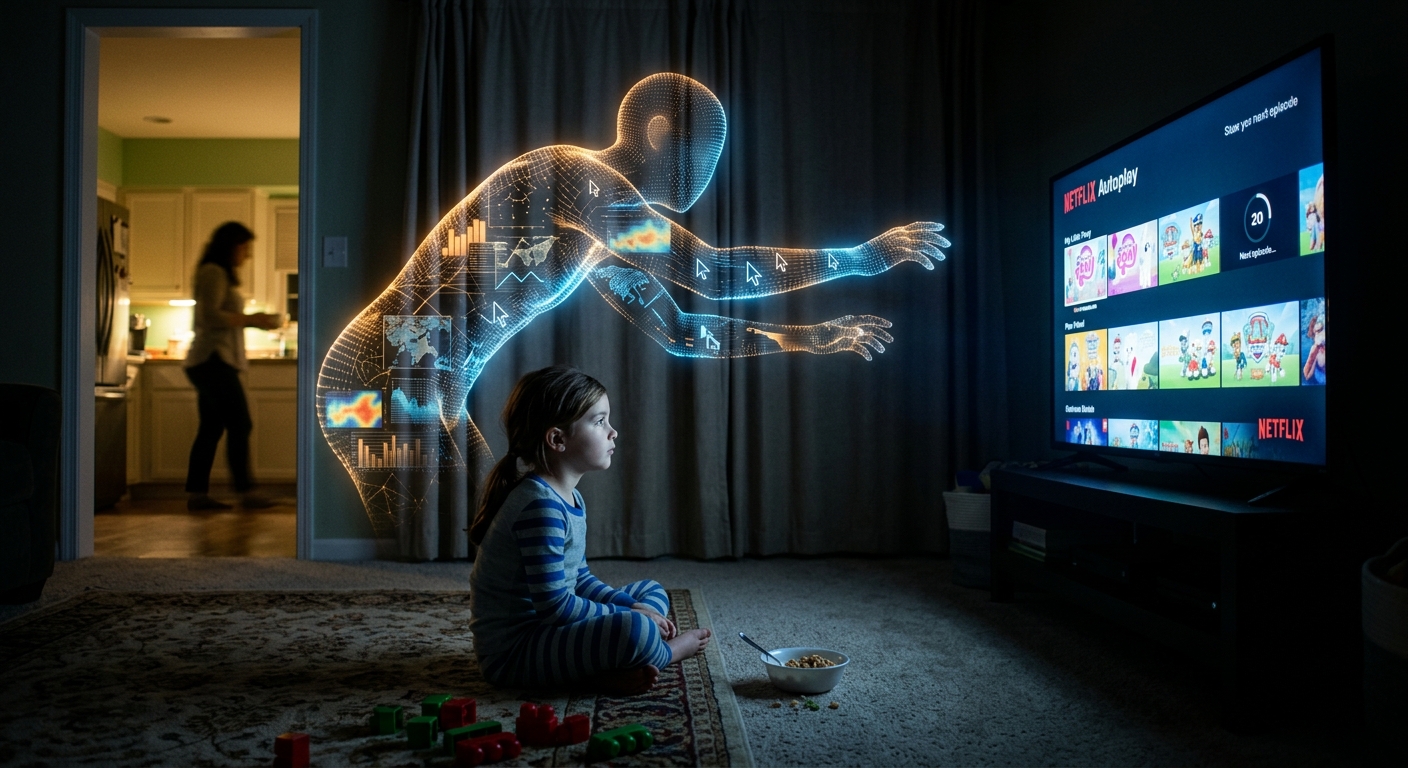
Every 500 milliseconds — twice per second — your smart TV may be taking a screenshot of whatever is on your screen. Your Netflix binge. Your private video call displayed through HDMI. Your banking app mirrored from your phone. The game your kid is playing. All captured, fingerprinted, and sent to a data broker you’ve never heard of.
That’s not a dystopian hypothetical. That’s the allegation at the center of five lawsuits filed by Texas Attorney General Ken Paxton on December 15, 2025, against the five largest TV manufacturers in the world: Samsung, Sony, LG, Hisense, and TCL.
And Texas is winning. Courts have already issued temporary restraining orders against Hisense and Samsung, blocking their data collection in Texas while the lawsuits proceed.
What Is ACR and Why Should You Care?
Automated Content Recognition (ACR) is software embedded in your smart TV’s operating system. It works by capturing audio or visual “fingerprints” of whatever is displayed on your screen, then matching those fingerprints against databases to identify what you’re watching.
Here’s what makes ACR different from your streaming service knowing what you watch: ACR captures everything on the screen, regardless of the source. It doesn’t just track what you stream through the TV’s built-in apps. According to the Texas lawsuits, ACR monitors:
- Streaming services (Netflix, Hulu, Disney+, YouTube)
- Cable and satellite TV through your set-top box
- Gaming consoles connected via HDMI
- Blu-ray and DVD players
- Screen mirroring from your phone or laptop
- Live broadcast television
As the Center for Digital Democracy warned in a 2024 report: “In the world of connected TV, viewer surveillance is now built directly into the television set, making manufacturers central players in data collection, monitoring, and digital marketing.”
Your TV isn’t just a screen. It’s a surveillance device with a 65-inch display.
The Allegations: “Mass Surveillance in American Living Rooms”
Texas’s complaints don’t mince words. They describe smart TVs as a “mass surveillance system sitting in millions of American living rooms” and allege that manufacturers:
-
Failed to provide meaningful consent. ACR opt-ins are bundled with essential features during the TV’s initial setup. Consumers click “I Agree to All” to use their TV without understanding they’re agreeing to content surveillance.
-
Used dark patterns to prevent opt-out. Samsung’s ACR can be disabled — but it requires navigating through Settings → Additional Settings → General Privacy → Terms & Privacy → Viewing Information Services → Disable. That’s 15+ clicks across four separate menus. Meanwhile, opting in takes one click during setup.
-
Collected far more data than necessary. The companies’ “insatiable appetite for consumer data far exceeds what is reasonably necessary” for the TV to function. ACR is not needed to display a picture. It exists solely to monetize your viewing habits.
-
Sold consumer data to third parties. The ACR data — your complete viewing profile — is packaged and sold to data brokers and advertisers who use it to target you across platforms.
-
Failed to disclose Chinese government access. Hisense and TCL, both Chinese-owned companies, may be required under China’s National Security Law to share consumer data with the Chinese government when requested. The lawsuits allege the companies failed to disclose this to consumers.
The Court Orders: Texas Is Actually Winning
This isn’t just rhetoric — Texas has obtained real legal victories:
Hisense TRO (December 17, 2025): A Texas state court found good cause to believe Hisense’s ACR practices were “false, deceptive, or misleading” and issued a temporary restraining order prohibiting Hisense from collecting, using, sharing, disclosing, selling, or transferring ACR data from Texas consumers.
Samsung TRO (January 2026): A similar court order was obtained against Samsung, the world’s largest TV manufacturer by market share.
These orders demonstrate something important: ACR can be turned off remotely. As former FTC technologist Aaron Alva explained to the IAPP, manufacturers can use IP-based geolocation to identify TVs in Texas and disable ACR data collection from their servers. If they can do it for Texas, they can do it everywhere — they just choose not to.
The Penalties Texas Is Seeking
Texas is going after serious money:
- Up to $10,000 per violation of the Texas Deceptive Trade Practices Act
- Up to $250,000 per violation affecting consumers aged 65 and older
- Permanent injunctive relief banning ACR data collection without meaningful consent
- Restitution to affected consumers
For context, Texas used the same Deceptive Trade Practices Act to secure a $1.4 billion settlement from Meta in 2024 and a $1.375 billion settlement from Google in 2025. These TV manufacturers could face similar exposure.
The lawsuits also serve as formal notice under the Texas Data Privacy and Security Act (TDPSA), triggering a 30-day cure period. If manufacturers don’t fix their ACR consent practices within 30 days, Texas can add TDPSA claims to the lawsuits — opening another avenue for penalties.
What Your Smart TV Actually Knows About You
Based on the lawsuit allegations and ACR technology capabilities, here’s what your TV manufacturer likely has on you:
- Everything you watch, across every input source, timestamped to the second
- How long you watch each piece of content (engagement duration)
- When you pause, rewind, or fast-forward (behavioral patterns)
- What ads you see and for how long (ad viewability)
- Your IP address (location data)
- Device fingerprints for every HDMI-connected device (your gaming console, laptop, streaming stick)
- Audio fingerprints from your room (potentially capturing conversations near the TV)
This data, when combined with information from data brokers, can paint an extraordinarily detailed picture of your household — your political views (based on news channels), your health concerns (based on medical shows or searches), your financial situation (based on shopping channels and financial content), and your children’s viewing habits.
How to Protect Yourself Right Now
1. Disable ACR on Your TV
The process varies by manufacturer, but here’s where to look:
Samsung: Settings → General → Privacy → Terms & Privacy → Viewing Information Services → Disable. Also disable Interest-Based Ads in the same menu.
LG: Settings → Additional Settings → General → About This TV → User Agreements → Disable Live Plus, Viewing Information, and Interest-Based Advertising.
Sony: Settings → Privacy → Samba Interactive TV → Disable. Also check Settings → About → Legal Information → Privacy Policy.
Hisense: Settings → Privacy → Usage & Diagnostics → Disable viewing data collection.
TCL/Roku TV: Settings → Privacy → Smart TV Experience → Disable “Use Info from TV Inputs.”
2. Disconnect Your TV from the Internet
The nuclear option — but the most effective. If your TV isn’t connected to the internet, it can’t send your data anywhere. Use a separate streaming device (Roku, Apple TV, Fire Stick) for apps, and keep the TV itself offline.
3. Use a Pi-hole or DNS-Based Blocking
If you need your TV online, use a Pi-hole or similar DNS blocker to block the telemetry domains your TV phones home to. Community-maintained blocklists include domains used by Samsung, LG, and other manufacturers for ACR data collection.
4. Consider a “Dumb” Monitor
For new purchases, Ars Technica’s guide to dumb TVs offers alternatives that display content without surveilling it. Commercial displays and computer monitors can serve as TV screens without the built-in surveillance layer.
The Bigger Picture
Texas’s lawsuits represent a turning point in how we think about everyday consumer electronics. The TV in your living room — arguably the most intimate screen in your home — has been secretly operating as a surveillance device. Manufacturers designed ACR to be invisible, buried consent in dark patterns, and profited from selling your viewing habits without your meaningful knowledge.
The fact that courts are already blocking this data collection proves it was never necessary for your TV to function. It existed solely to monetize you.
As the IAPP’s analysis noted, Texas’s approach could set precedent for enforcement against other embedded tracking technologies beyond smart TVs. If ACR data collection can be blocked by court order, so can similar surveillance technologies in smart speakers, connected appliances, and IoT devices.
Your living room should be private. Texas is trying to make sure it is.
For more on smart home privacy, read our coverage on ComplianceHub and check out our IoT privacy guides.