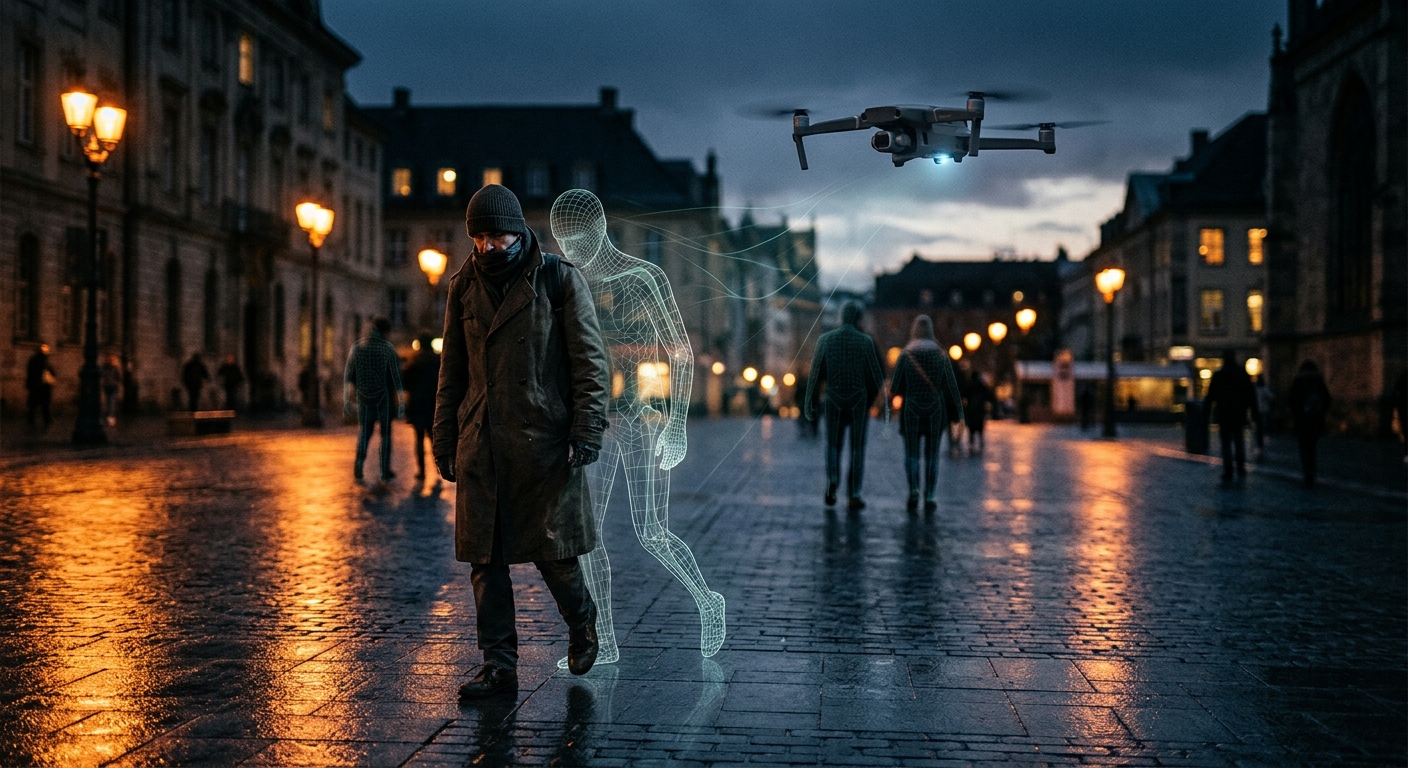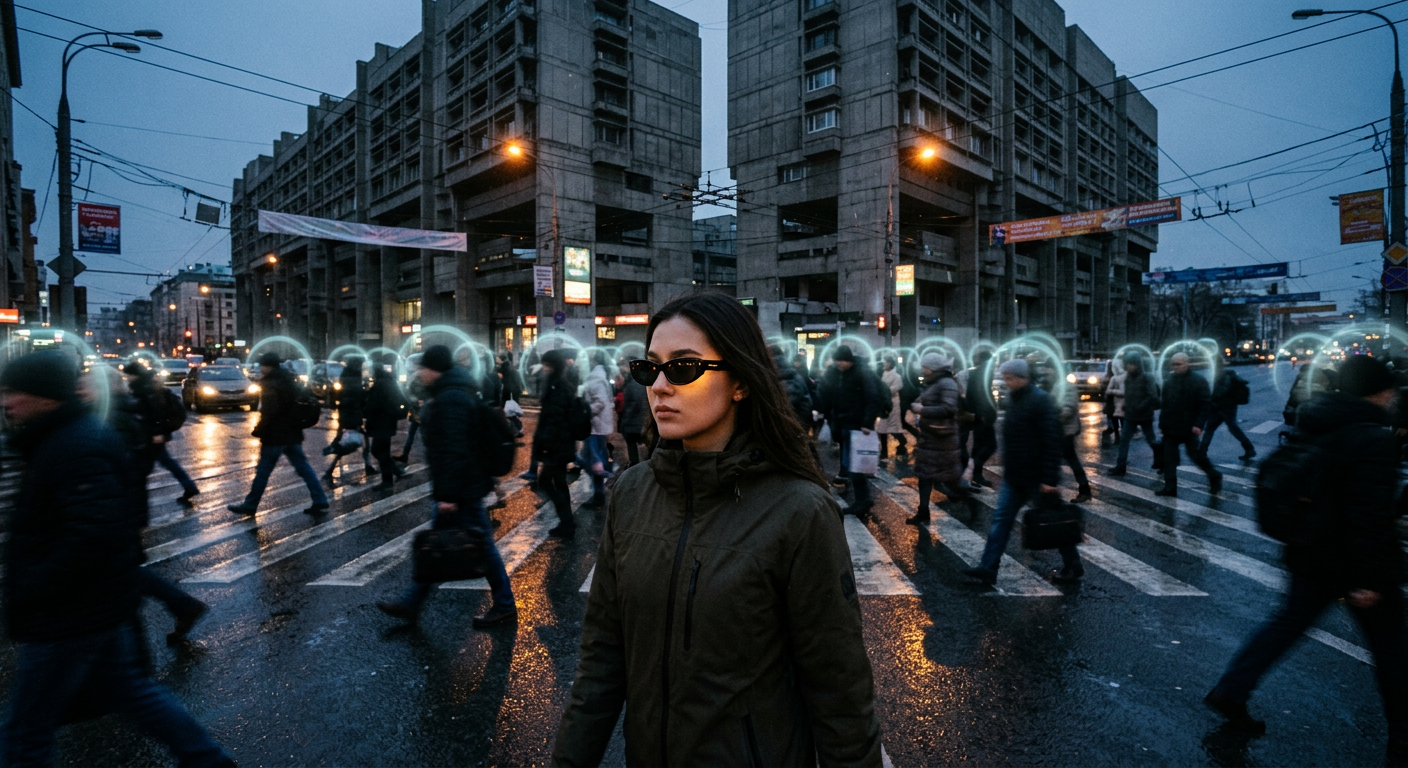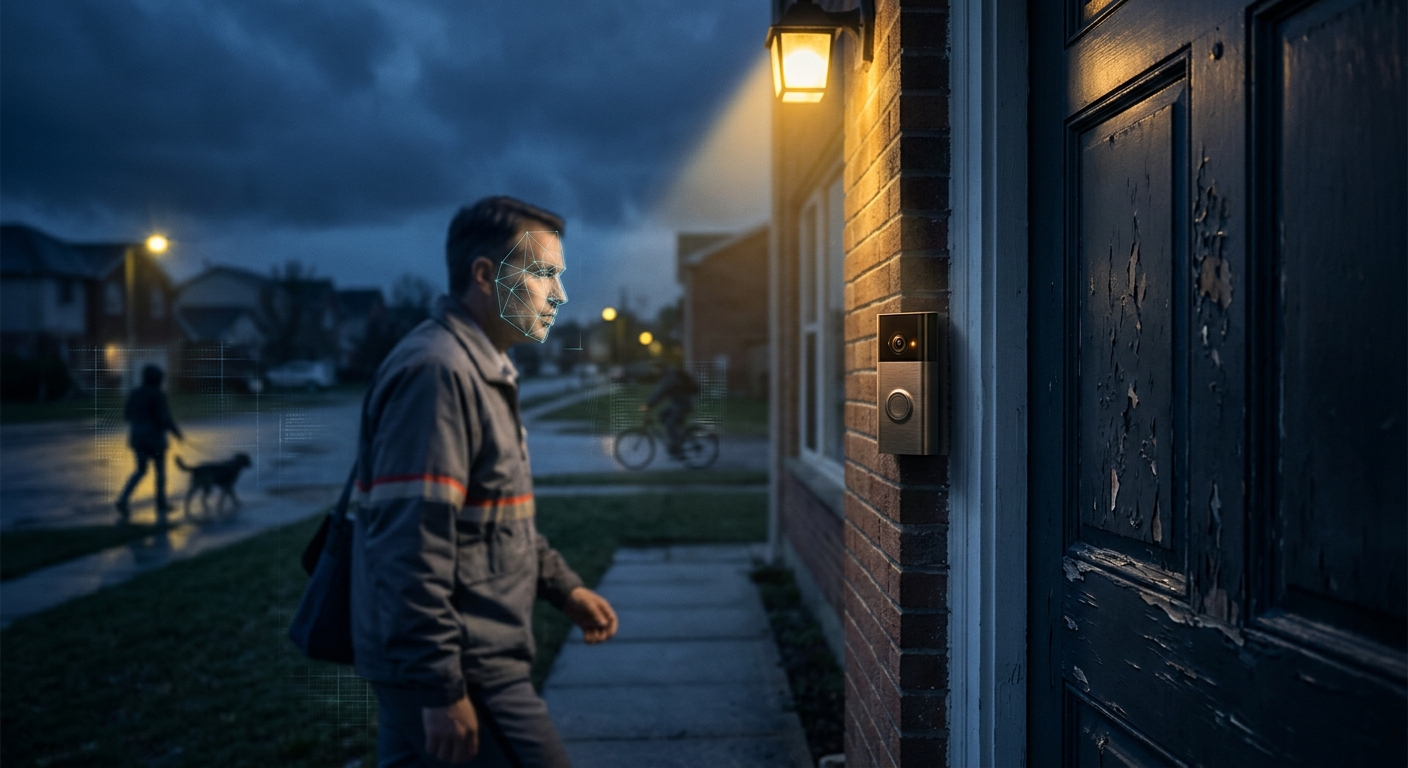
The genius of the modern surveillance economy is that it makes you the operator of the camera pointed at your neighbors. You buy the device, you mount it by your door, you accept the terms of service — and in doing so, you become the legal fig leaf for a system that scans, identifies, and remembers people who were never asked. A class action filed in early June 2026 against Amazon and its Ring subsidiary takes direct aim at this arrangement, and at a feature that turns the friendly doorbell camera into something closer to a private biometric checkpoint.
What “Familiar Faces” actually does
Ring’s Familiar Faces feature, the lawsuit explains, uses artificial intelligence to recognize individuals who appear in a camera’s field of view and notify the owner when a “familiar” person — or an unfamiliar one — shows up. To a homeowner, this is sold as convenience: your camera learns to tell the difference between your spouse coming home and a stranger on the porch. To everyone else who walks down the street, it is something they never signed up for.
That is the heart of the complaint. Plaintiff Charles Sigwalt alleges that the feature stores the facial data of people who pass by Ring cameras without ever obtaining their consent — and that this is precisely the kind of biometric harvesting that privacy law was meant to prevent. The suit seeks class certification and at least $5 million in damages.
The consent problem nobody can wave away
Most privacy controversies involve a user who, at minimum, clicked something. They downloaded the app, created the account, ignored the cookie banner. There is at least a fiction of agreement to point to. Familiar Faces obliterates even that fiction, because the people whose faces are being analyzed are not Ring’s customers. They are the mail carrier. The kid selling magazine subscriptions. The neighbor walking her dog. The person who took a wrong turn onto your cul-de-sac.
None of them downloaded anything. None of them agreed to have their facial geometry extracted, compared, and retained so that a stranger’s doorbell could decide whether to label them “familiar.” And yet, if the allegations hold, that is exactly what is happening — millions of times a day, across the enormous installed base of Ring devices that has quietly become one of the largest privately owned camera networks in the world.
Why biometrics are different
It is worth being precise about why this matters more than, say, an ordinary security camera that simply records video. A video clip is a record of an event. A faceprint is a key to your identity. Facial geometry is biometric data — it cannot be changed like a password, cannot be reissued like a credit card. Once your faceprint is captured and stored, it is a permanent identifier that can, in principle, be matched against any other image of you, anywhere, forever.
This is why a handful of jurisdictions have treated biometric identifiers as a special category demanding affirmative, informed consent before collection. Illinois’s Biometric Information Privacy Act — the law that produced the landmark settlements against Facebook and Clearview AI — is built on exactly this premise: that a company should not be able to capture your faceprint without telling you and getting your permission first. The Ring suit lands in that lineage, testing whether a feature dressed up as homeowner convenience can escape the consent requirements that apply to the data it collects.
The network effect of private surveillance
Step back from the individual doorbell and the picture gets more uncomfortable. A single Ring camera recognizing faces is a curiosity. Millions of them, networked through Amazon’s infrastructure and frequently shared with or requested by law enforcement, are something else entirely: a distributed, always-on identification grid that no government agency had to build, fund, or justify to voters. The public assembled it one porch at a time, sold on the promise of catching package thieves.
Familiar Faces is the moment that grid grows a memory. It is one thing for cameras to record. It is another for them to know who you are and keep a running log of your comings and goings past every participating home. The convenience framing — “your camera learns your regulars” — is the same logic that justifies every expansion of surveillance: it’s helpful, it’s optional, it’s just for you. But the data doesn’t stay just for you, and the people it’s collected from never got a vote.
What the case could establish
If the class action succeeds, the consequences reach well beyond Amazon. It would signal that bolting facial recognition onto a consumer device does not exempt the manufacturer from the consent rules that govern biometric collection — that you cannot launder mass faceprinting through individual homeowners and call it a feature. It would force a reckoning with the gap between what these devices are marketed to do and what they actually harvest.
For now, the lawsuit is a reminder worth carrying down every sidewalk: the doorbell you walk past may not just be watching. It may be learning your face, filing it away, and deciding what to call you — and no one ever asked if that was alright with you.