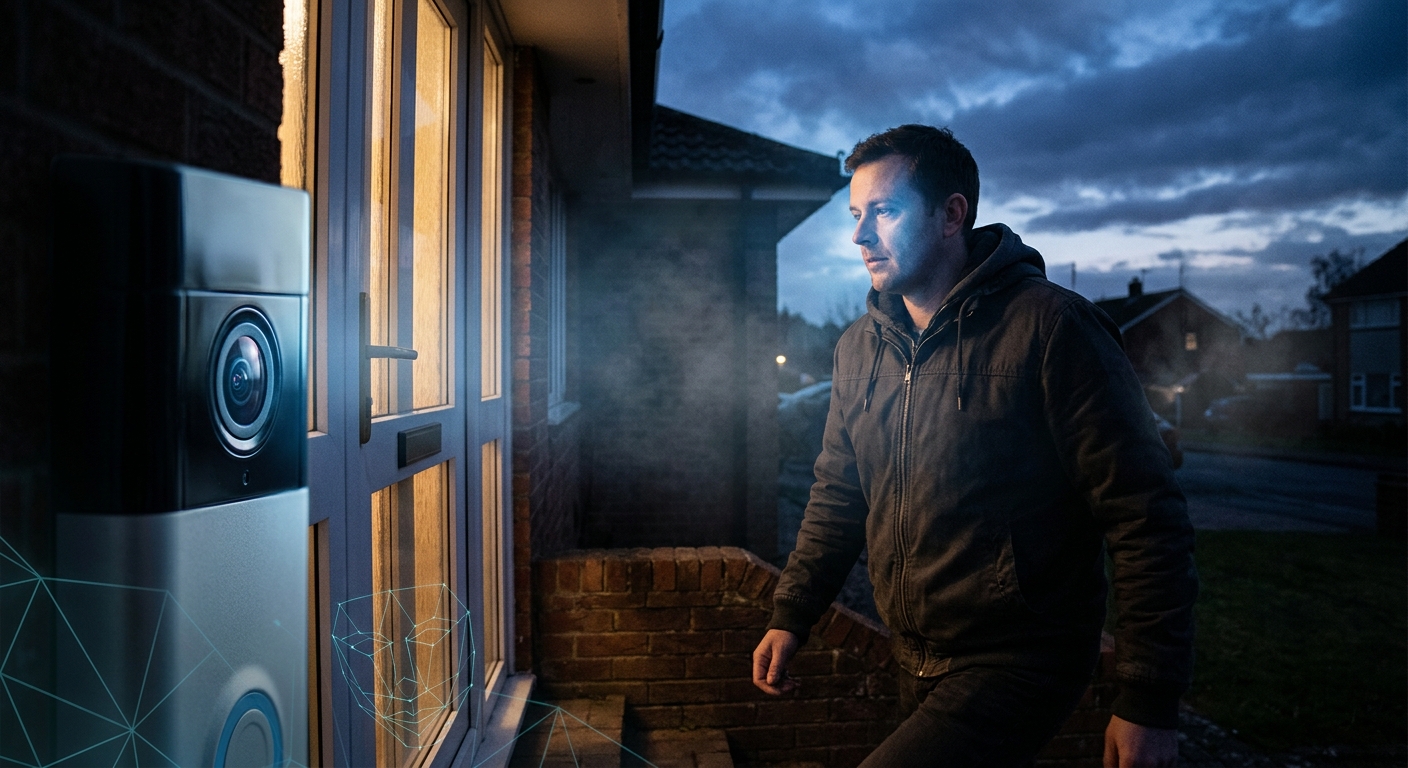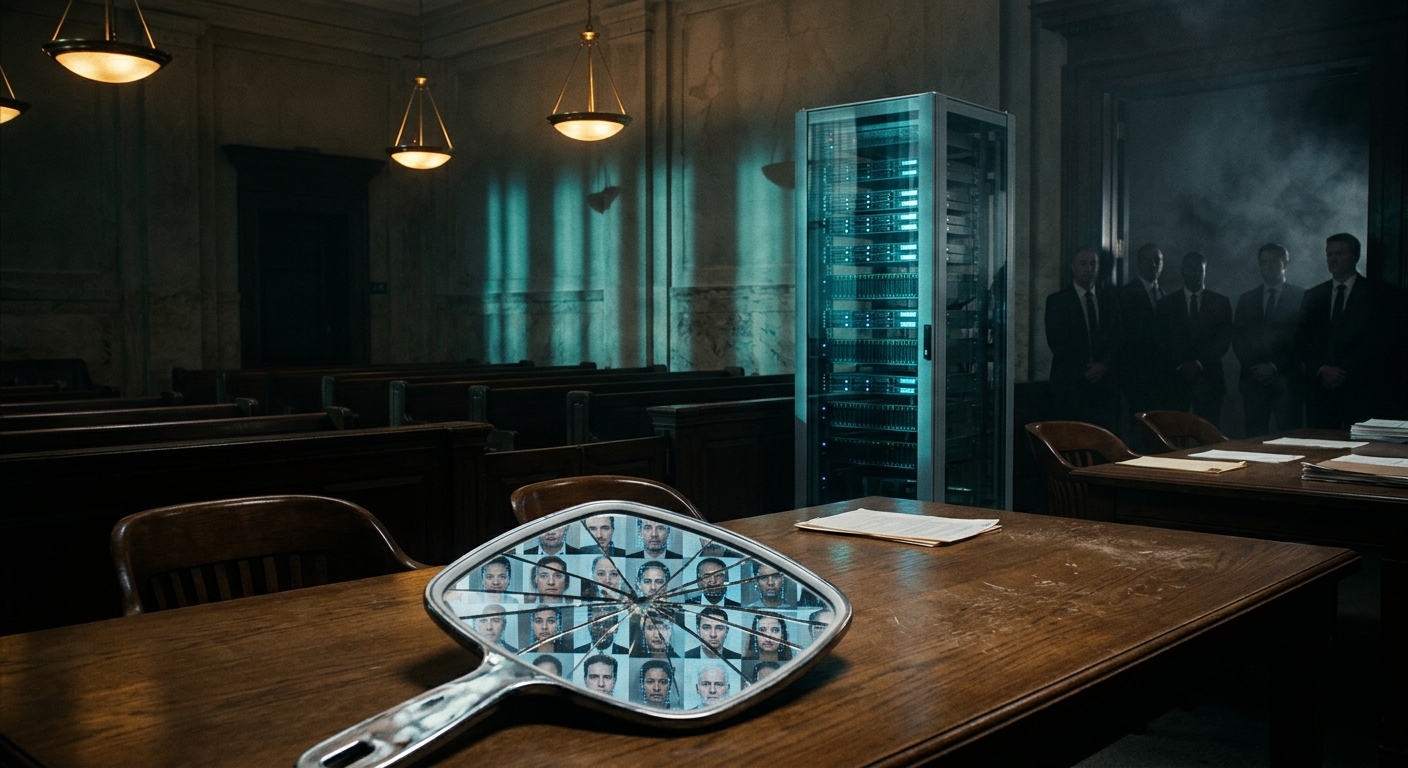
There has never been a privacy settlement quite like the Clearview AI deal, and as of July 13, there still isn’t one — because the Seventh Circuit just vacated it.
In Weissman v. Clearview AI, the court of appeals threw out the district court’s approval of the class action settlement that was supposed to close the book on Clearview’s founding sin: scraping billions of face images from the public internet — social media profiles, news photos, anywhere a face appeared — and selling search access to the resulting biometric database to police departments and government agencies, all without asking a single person whose face made the product work. The litigation, consolidated in Chicago, centered on the Illinois Biometric Information Privacy Act (BIPA), the strictest biometric consent law in the country and the reason Clearview has spent years in an Illinois courtroom.
The deal that almost was
Clearview’s defense throughout the litigation was, in essence, poverty: the company argued it could never pay cash damages at BIPA’s statutory scale ($1,000–$5,000 per violation, multiplied by millions of faces) without ceasing to exist. So plaintiffs’ counsel got creative. Under the settlement approved by the district court, the class would receive not money but an equity stake equal to 23% of Clearview’s value, payable when — if — the company held an IPO or was acquired.
Sit with the structure for a moment: the people whose faces were taken without consent would be compensated by becoming beneficial part-owners of the facial recognition company that took them, with their recovery contingent on that company’s surveillance business becoming more valuable. Privacy advocates gagged; 23 state attorneys general filed opposition; rights groups urged class members to opt out. Sixteen objectors formally challenged the deal.
Why it fell — and why that reason matters
Here’s the twist: the Seventh Circuit, in an opinion by Judge Hamilton, did not strike the deal down for its substance. The court rejected the objectors’ argument that a fair settlement required injunctive relief — a promise to stop or limit the scraping — and held that the speculative, equity-based payout wasn’t disqualifying either, because “uncertainty is inherent” in such structures. Paying privacy victims in surveillance stock is, apparently, permissible in principle.
What doomed the settlement was who signed it. The deal divided the class into unequal tiers: Illinois class members were allocated 10 shares each; New York, California, and Virginia members 5; everyone else in the nationwide class, 1. And yet a single set of lawyers negotiated for all of them, with no separate class representatives for the nationwide class versus the favored state subclasses — nobody at the table whose job was to fight for the 1-share people against the 10-share people.
It gets worse. All eight of the original class representatives refused to endorse the settlement. Lead counsel’s response was to replace them, appointing four new representatives — every one drawn from a favored subclass. The Seventh Circuit called the absence of separate representation a “key procedural problem,” vacated the approval, and instructed the district court on remand to scrutinize “the substitution and the reasons for it” — a pointed direction to examine whether class counsel was protecting the class or the deal.
The uncomfortable economics of biometric harm
Strip away the procedure and this case is about a question courts keep dodging: what is the remedy when a company builds its entire product out of a mass privacy violation?
BIPA’s per-violation damages were designed to make biometric misuse economically irrational. Clearview’s answer — we violated the statute too comprehensively to afford the consequences — inverts that logic: the bigger the scrape, the stronger the argument for a discount. The equity settlement was the logical endpoint, converting victims into stakeholders whose interests align with the violator’s growth. However inventive, it meant the one outcome BIPA was written to produce — stop collecting, delete the data, or pay — was the one outcome off the table. The scraping database, now reportedly past 60 billion images, stays. The clients, including a widening circle of federal agencies, keep searching it.
Now even that resolution is gone, and the parties return to a district court where Clearview’s insolvency defense and the class’s statutory leverage remain exactly as irreconcilable as before.
What this means for you
- If you’re in the class (your photo appeared online and was scraped — which, statistically, it was): there is nothing to claim right now. Any prior settlement instructions are moot; a new or restructured deal will require fresh notice.
- Illinois residents retain the strongest position in the country. BIPA remains the only law that has forced Clearview into existential litigation, which is precisely why industry lobbying to weaken it never stops.
- Everyone else should note the honest lesson of the tiering: the settlement priced your face according to your state’s privacy law. Residents of states with no biometric statute were worth one share. That valuation wasn’t cynicism — it was an accurate market price for the legal protection your legislature has given you. If that number bothers you, it’s your statehouse that set it.
The case now heads back to Chicago for another attempt at resolving the unresolvable. Whatever emerges, remember what the appeals court quietly confirmed along the way: nothing in the vacated deal — and nothing in the next one — requires Clearview to stop.