December 9, 2025
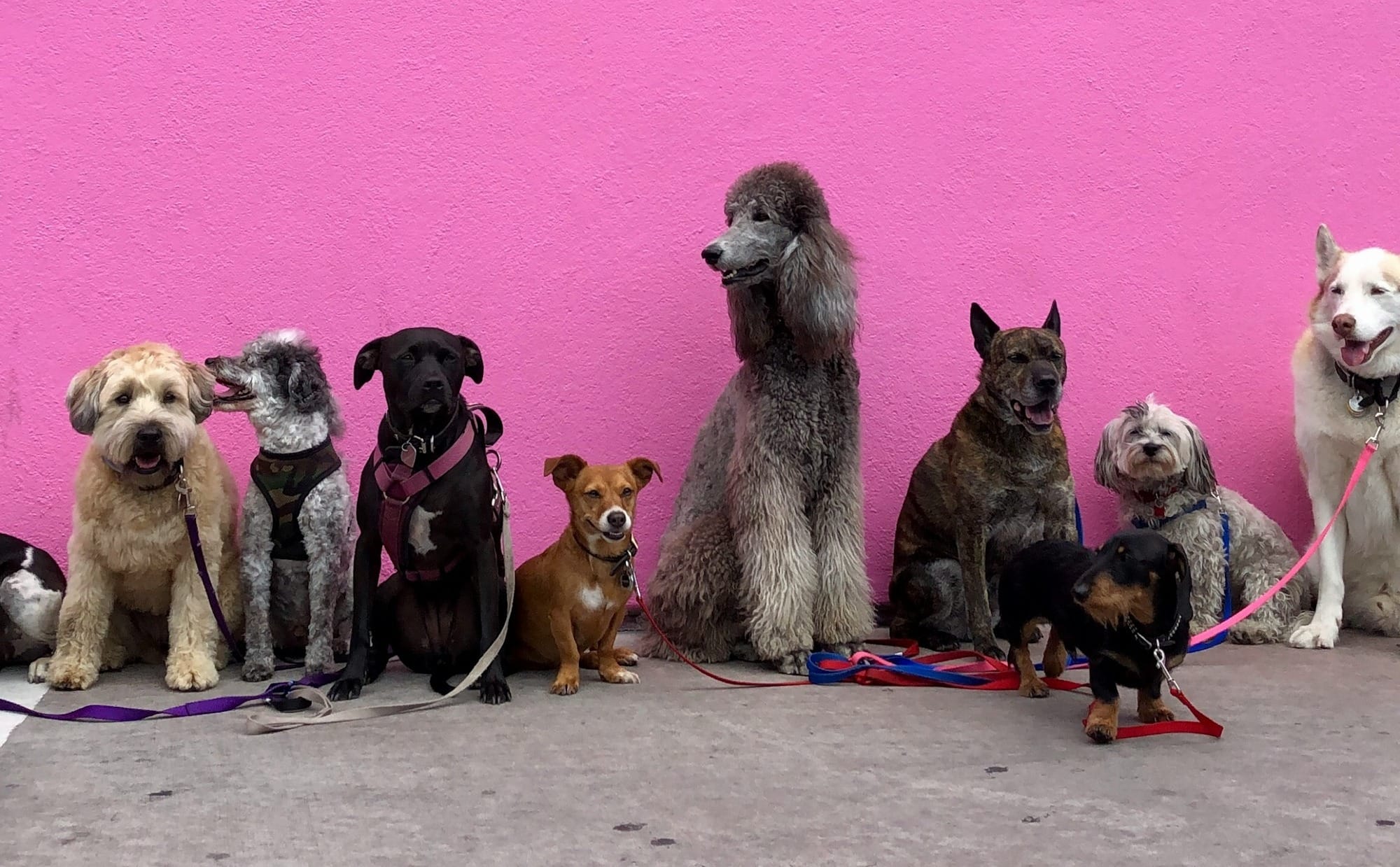
As Australia launches the world’s first nationwide social media ban for users under 16, teenagers are demonstrating that age verification technology still has critical vulnerabilities. Reports have emerged of Australian kids successfully fooling facial age estimation systems using nothing more than photos of dogs found on Google Images, exposing fundamental flaws in biometric verification technology that platforms are betting on to enforce the ban.
5 Alarming Truths About the War on Your Digital Privacy in 2026
The Golden Retriever Gambit
Australian teenagers, facing account deactivation across major platforms including Instagram, TikTok, Snapchat, and Facebook, discovered that when one app requested a selfie for age verification, they could submit a photo of a golden retriever found through a simple Google Image search—and it passed. This revelation, shared by teens with The Washington Post, highlights a startling gap between the sophistication of AI-powered age verification technology and its real-world effectiveness.
The same teens reported additional workarounds including using AI-generated adult faces or edited images to circumvent the systems, while friends planned to use their parents’ and older siblings’ faces to pass age verification measures. These tactics emerged organically as over 500,000 Australian teenagers under 16 scrambled to maintain access to their social media accounts ahead of the December 10 enforcement deadline.
The Technology Behind the Failure
The age verification systems being deployed by major platforms rely heavily on facial age estimation technology. According to Yoti, a UK-based age verification company whose clients include Meta, most users choose video selfies which analyze facial features like skin texture and bone structure to estimate age in a matter of seconds. The technology examines specific facial data points including wrinkles, pigmentation patterns, skin texture, and facial structure to make its determination. Similar systems have been deployed by YouTube across the United States and other platforms globally.
However, research reveals fundamental limitations in this approach. Studies published in Scientific Reports found that AI age estimation platforms not only reproduce human biases in facial age recognition but actually exaggerate those biases, showing sharper decreases in accuracy for older adults, smiling faces, and female faces compared to human observers.
A 2024 evaluation by the National Institute of Standards and Technology (NIST) testing six age estimation algorithms found wide performance variation with significant room for improvement across the board, with accuracy influenced by image quality, gender, region of birth, and the age of the person photographed. More concerning for enforcement purposes, an Australian government report acknowledged that for people aged 16 and 17—the critical boundary age—false rejection rates stayed “above acceptable levels” at 8.5% and 2.6% respectively.
Australia’s Teen Social Media Ban Isn’t What You Think: 5 Surprising Truths
The Australian Ban Goes Live
On December 10, 2025, Australia became the first nation to enforce a comprehensive social media age restriction. Ten platforms—Instagram, Facebook, Threads, Snapchat, YouTube, TikTok, Kick, Reddit, Twitch, and X—face fines up to $49.5 million AUD ($32 million USD) if they fail to take reasonable steps to prevent users under 16 from accessing their services.
Meta began removing under-16 users from Facebook, Instagram, and Threads on December 4, with more than 350,000 Instagram users and 150,000 Facebook users aged 13-15 affected in Australia alone. Snapchat suspended accounts for three years or until users turn 16, while YouTube automatically signed out account holders, making their channels invisible while preserving data for future reactivation.
The verification methods being deployed vary by platform. Meta requires flagged users to verify through video selfies or government-issued ID checked by Yoti; Snapchat uses ConnectID bank-based ID checks and k-ID which combines ID scans with facial age estimation; TikTok has not fully detailed its process but already uses ID and selfies for age checks on livestreaming.
Known Bypass Methods
Beyond the dog photo exploit, Australian teenagers have identified multiple workarounds:
VPN Usage: Recent Reddit threads featured suggestions for circumventing the ban including VPN connections that mask a user’s location, effectively making them appear to be accessing platforms from countries without age restrictions. While platforms are being instructed to detect VPN usage, enforcement against individual users remains focused on the platforms rather than consumers. As detailed in our analysis of the global age verification disaster, these technical workarounds are inevitable with population-scale restrictions.
Face Masks and Props: Earlier this year, Australian teens observed their British counterparts attempting to bypass UK age restrictions using cheap face masks and images of video game characters. While age verification companies claim anti-spoofing technology including liveness checks can detect such tricks, the success of the dog photo method suggests these defenses remain incomplete.
AI-Generated Faces: Teens are reportedly using deepfakes, generative AI images, and age progression applications like FaceApp to create convincing adult faces for verification. Some children take pictures of actors on screen to submit for age verification, essentially using celebrity faces to pass as adults.
Account Sharing: The eSafety Commissioner found that 54% of children aged 8-12 accessed social media through their parent or caregiver’s accounts, while others maintained their own accounts. Multiple teens reported starting new accounts with false ages or passing around adult IDs in case apps demand proof of age.
Platform Migration: Alternative platforms like Yope, a photo-sharing service, attracted 100,000 new Australian users through word-of-mouth as the ban approached, claiming the restriction doesn’t apply because it prohibits messaging with strangers. Gaming platforms like Roblox and Discord, which are exempt from the ban, are also seeing migration despite their own documented issues with bullying and predators.
Technical Vulnerabilities Exposed
The dog photo exploit reveals several critical weaknesses in facial age estimation technology:
Lack of Species Verification: The most obvious failure is that age estimation systems appear to lack basic biological classification. If a system cannot distinguish between human and canine facial features, its fundamental architectural assumptions are flawed.
Insufficient Liveness Detection: While age verification companies claim to use advanced anti-spoofing techniques including cooperative liveness detection (requiring users to follow instructions like looking in specific directions) and passive detection, the success of static Google Images suggests these measures aren’t universally implemented or are easily circumvented.
Training Data Bias: Research shows AI age estimation accuracy decreases significantly for faces of middle-aged and older adults, and that genetic and environmental factors create considerable variance in apparent age. Systems trained primarily on younger, neutral-expression faces struggle with edge cases—or apparently, non-human subjects.
Image Quality Dependencies: Age estimation technology relies heavily on analyzing specific facial features, with accuracy significantly affected by lighting conditions, image quality, makeup, and facial expressions. A high-quality dog photo may present clearer “facial features” than a poorly-lit human selfie, potentially explaining the false acceptance.
Privacy and Security Implications
The verification systems themselves create substantial new risks:
Biometric Data Collection: Age verification face scans create new threats to privacy and information security, collecting sensitive biometric data that could be stored, correlated with online content viewing habits, and potentially breached. Facial recognition data is considered sensitive under laws like GDPR, raising concerns about consent, transparency, and the risk of biometric data becoming a prime target for cybercriminals. The UK’s mandatory digital ID proposals and other global digital identity frameworks demonstrate how age verification often serves as a gateway to comprehensive digital identity systems.
Data Retention Concerns: While Meta states that Yoti deletes all verification data after processing, and Instagram and Yoti claim to delete photos within 30 days after verification, the centralization of age verification through third-party providers creates new potential breach points.
False Positives: Youthful business owners and legitimate adult users are being wrongly flagged as under-16, requiring them to verify their age through submission of government IDs or video selfies before accessing their own business accounts. This creates friction for legitimate users while failing to stop determined teenagers.
Surveillance Normalization: Critics warn that age verification normalizes surveillance for young people, requiring them to share sensitive information that could be abused or hacked while teaching an entire generation that comprehensive identity verification for basic online activities is normal.
Industry Acknowledgment of Limitations
Even the companies implementing these systems admit their shortcomings. Meta acknowledged that “accurately determining age online is a challenge for the entire industry,” noting that “for more than a decade, many organizations and companies have tried to solve the complex challenge of online age assurance”. TikTok Australia stated that “despite these efforts, and as recognized by eSafety, there is still no single method that can be used to effectively confirm a person’s age in a way that also preserves their privacy”.
Joanna Orlando, a researcher in digital wellbeing, told Al Jazeera that “tech-savvy teens simply use VPNs, fake birth photos for face scans, or migrate to less regulated platforms,” concluding that age verification requires collecting sensitive data including biometrics while creating risks from hackers.
Unintended Consequences
Australian eSafety Commissioner Julie Inman Grant stated they would monitor not just whether kids are sleeping more and interacting more offline, but also “are they going to darker areas of the web, and what is the outcome?” Youth counselors and digital rights advocates have raised specific concerns:
Social Isolation: Advocates note many young people use platforms for legitimate support networks, education, and creative expression, with particular concerns about LGBTQ teens, teens with disabilities, rural teens, and other groups who benefit from social connection that social media provides. Platforms themselves have faced criticism for inadequate child safety measures, as demonstrated by Texas’s lawsuit against Roblox over child safety failures.
Migration to Unregulated Spaces: The legislation leaves unanswered what prevents children from migrating to the many social apps allowed under the ban, such as Roblox and Discord, both of which have documented problems with bullying and adult predators. A High Court challenge has been filed by the Digital Freedom Project and teenage plaintiffs questioning the constitutional validity of the ban.
Compliance Whack-A-Mole: The eSafety Commissioner emphasized the banned sites list evolves and new platforms could be added as they gain popularity, creating what critics describe as an unwinnable game as operators rush to serve millions of teens seeking alternatives. The experience of decentralized platforms like Mastodon demonstrates that truly distributed systems may prove impossible to regulate through traditional enforcement mechanisms.
Global Implications
Australia’s experiment is being closely watched internationally. Communications Minister Anika Wells stated that the European Commission, France, Denmark, Greece, Romania, and New Zealand were also interested in setting minimum ages for social media. Malaysia announced plans to ban social media accounts for children younger than 16 starting in 2026.
In the United States, Florida has banned children under 14 from creating social media accounts, allowing companies to use commercially reasonable age verification methods to detect under-14 users. Texas, Utah, and Louisiana have enacted App Store Accountability Acts that mandate age-based controls for app marketplaces, with Google’s Play Signals API being deployed in response. India’s Digital Personal Data Protection Act requires companies to obtain verifiable parental consent before processing data of anyone under 18.
However, the Australian experience with dog photos passing verification systems raises serious questions about whether any of these regulatory approaches can be effectively enforced with current technology.
Expert Analysis: The Security Perspective
From a cybersecurity standpoint, the Australian age verification system demonstrates several critical failures:
Authentication Bypass: The dog photo incident represents a fundamental authentication bypass vulnerability. Any system that accepts non-human biometric inputs has failed at the most basic level of identity verification.
No Defense in Depth: The apparent lack of multiple verification layers—species checking, liveness detection, cross-reference validation—shows inadequate security architecture. Relying solely on facial feature analysis without corroborating checks creates a single point of failure.
Attack Surface Expansion: By mandating biometric collection across entire populations to verify age, Australia has massively expanded the attack surface. Every verification attempt creates potential exposure of sensitive biometric data, ID documents, and behavioral information.
Adversarial Examples: The success of AI-generated faces and edited images demonstrates vulnerability to adversarial attacks. If teenagers can fool these systems with readily available tools, state-level actors or organized criminal groups could exploit the same weaknesses at scale.
Social Engineering Vector: The requirement for age verification creates new social engineering opportunities. Phishing attacks mimicking legitimate verification requests, fake verification services collecting credentials, and compromised verification providers all become viable attack vectors.
What This Means for Organizations
For businesses implementing age verification systems, the Australian experience offers several lessons:
- Don’t Rely on Facial Estimation Alone: Single-factor age verification is insufficient. Systems should combine multiple verification methods including device signals, behavioral analysis, document verification, and parental controls.2. Implement Robust Liveness Detection: Basic static image acceptance is insufficient. Systems must verify that a live human is present and actively participating in verification.3. Plan for Adversarial Inputs: Age verification systems must be tested against adversarial examples including AI-generated faces, photos of photos, masks, makeup, and apparently, non-human subjects.4. Minimize Data Collection: Collect only the minimum biometric data necessary and implement immediate deletion after verification. The privacy risks of biometric databases outweigh their marginal utility.5. Accept Technical Limitations: No age verification system is foolproof. Organizations should be honest about accuracy rates, false positive/negative rates, and known bypass methods rather than overselling capabilities.6. Consider Alternative Approaches: Device-level controls, app store verification, parental consent frameworks, and education may prove more effective than population-scale biometric surveillance.
The Bottom Line
One Australian teen summed up the situation succinctly: “I’m not really fussed about it, and I don’t really think anyone is, because, from what I’m picking up, it’s not going to be that hard to get around”.
When a child can defeat a multi-billion-dollar platform’s age verification system using a Google Image search for “golden retriever,” the fundamental premise of biometric age verification deserves serious reconsideration. The Australian experiment demonstrates that current technology cannot reliably distinguish between a 15-year-old human and a photograph of a dog—a failure that raises profound questions about deploying similar systems globally.
As other nations consider following Australia’s lead, they should carefully examine not just the policy goals but the technical capabilities and limitations of enforcement mechanisms. The gap between regulatory intent and technological capability remains substantial, and rushing to implement unproven systems may create more problems than it solves—including normalizing invasive surveillance while failing to protect children.
The most important security lesson from Australia’s age verification experiment may be the oldest one: security through obscurity (or in this case, security through assumed technological capability) doesn’t work. When teenagers can bypass your system with dog photos, it’s time to fundamentally rethink your approach.
Related Resources from CISO Marketplace
Digital Identity & Age Verification:
- YouTube’s AI Age Verification: The New Digital ID Era- Australia’s Digital Revolution: Age Verification and ID Checks Transform Internet Use- The Global Age Verification Disaster: How Privacy Dies in the Name of “Safety”- Google Adds Age Check Tech as Texas, Utah, and Louisiana Enforce Digital ID Laws
Global Digital ID Systems:
- Policy Briefing: The Global Digital Identity Landscape- UK’s Mandatory “Brit Card” Digital ID: Privacy and Civil Liberty Concerns- The Decentralized Resistance: How Mississippi’s Digital ID Law Met Its Match
Platform-Specific Analysis:
- Texas Sues Roblox Over Child Safety Failures- Breaking: High Court Challenge Threatens Australia’s Social Media Ban
References: This article synthesizes reporting from The Washington Post, CNN, Al Jazeera, Time, PBS, and academic research from Scientific Reports, NIST, and the Electronic Frontier Foundation on age verification technology accuracy and limitations.