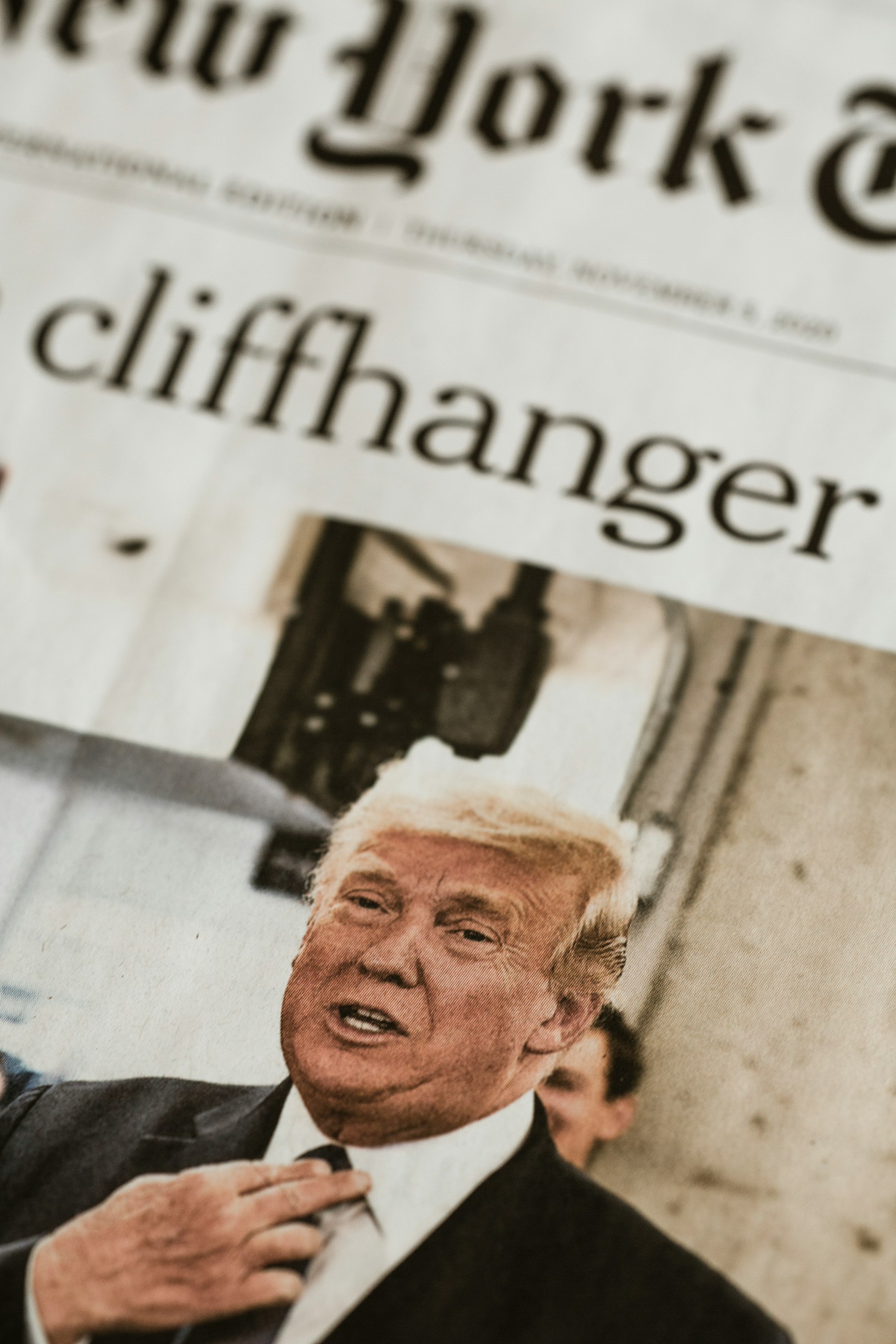
A wave of unprecedented settlements reveals a dramatic shift in the relationship between political power, social media platforms, and free speech.
The Price of Deplatforming
In a stunning reversal that has sent shockwaves through Silicon Valley and First Amendment circles alike, major technology companies have collectively paid over $75 million to settle lawsuits brought by President Donald Trump over account suspensions following the January 6, 2021 Capitol riots. The settlements mark an extraordinary moment in the ongoing debate over online speech, content moderation, and the power dynamics between government and Big Tech.
The financial breakdown paints a clear picture:
- YouTube/Google: $24.5 million (settled September 2025)- Meta (Facebook/Instagram): $25 million (settled January 2025)- X (formerly Twitter): $10 million (settled February 2025)- ABC News: $15 million (settled December 2024)- CBS/Paramount: $16 million (settled July 2025)
Total: Approximately $90.5 million in settlements across tech and media companies.
The majority of these funds are designated for Trump’s future presidential library and related projects, with smaller portions allocated to legal fees and other plaintiffs who joined the lawsuits.
The Original Sin: January 6 and Mass Deplatforming
The cascade of legal actions began in the immediate aftermath of the January 6, 2021 attack on the U.S. Capitol. Within days, major social media platforms made an unprecedented decision: they suspended or permanently banned the sitting President of the United States from their platforms.
The Timeline:
- January 8, 2021: Twitter permanently suspends Trump’s account- January 7, 2021: Facebook (Meta) indefinitely suspends Trump- January 12, 2021: YouTube suspends Trump’s channel
The platforms cited concerns about inciting further violence and violating community standards. At the time, the moves were praised by some as necessary accountability measures, while others viewed them as dangerous precedents for censorship and the consolidation of corporate power over public discourse.
Trump responded in July 2021 by filing federal lawsuits against YouTube, Facebook, and Twitter, alleging that the suspensions violated his First Amendment rights and constituted “impermissible censorship.” The lawsuits faced an uphill legal battle from the start, as legal experts noted that the First Amendment typically restricts government action, not decisions by private companies.
Federal judges initially dismissed or expressed skepticism about the cases. Yet the lawsuits persisted through appeals, and everything changed when Trump won the 2024 presidential election.
The Settlements: Capitulation or Strategic Calculation?
What makes these settlements particularly striking is their timing and context. All major settlements occurred after Trump’s 2024 electoral victory, when he was either president-elect or sitting president. Legal experts and press freedom advocates have characterized the payments as lacking legal merit and potentially representing a form of corporate deference—or even influence-peddling.
YouTube’s $24.5 Million Settlement
The most recent settlement came in late September 2025, when YouTube agreed to pay $24.5 million to resolve Trump’s lawsuit. Of this amount, $22 million will fund the construction of a new White House State Ballroom through the Trust for the National Mall, while $2.5 million will be distributed among other plaintiffs including the American Conservative Union, Kelly Victory, Naomi Wolf, and several conservative commentators.
Notably, the settlement stipulates that it “shall not constitute an admission of liability or fault” by YouTube or its parent company, Alphabet. The company effectively paid millions to make the lawsuit disappear without acknowledging any wrongdoing.
Eric Goldman, a law professor at Santa Clara University and expert on online speech, called the settlement “straight influence-peddling,” adding: “This YouTube settlement is not a sign of any legal merit.”
Meta’s $25 Million Deal
In January 2025, shortly before Trump’s second inauguration, Meta agreed to pay $25 million to settle its lawsuit. The timing was particularly notable given CEO Mark Zuckerberg’s efforts to rebuild his relationship with Trump—attending the inauguration, donating $1 million to the inaugural fund, and making multiple visits to Mar-a-Lago.
Senator Elizabeth Warren characterized the settlement as appearing like “a bribe and a signal to every company that corruption is the name of the game,” questioning what Zuckerberg expected “as a return on this investment.”
X’s $10 Million Payment
Perhaps most ironic was X’s $10 million settlement in February 2025. By this time, Elon Musk—who purchased Twitter in 2022 and renamed it X—had become one of Trump’s closest allies and was leading the Department of Government Efficiency (DOGE) in the Trump administration.
Trump himself acknowledged during a Fox News interview that he had hoped for more money, calling the $10 million “a big discount” and saying he was “looking to get much more money than that.” Musk, sitting beside him with a bewildered expression, responded: “I left it up to the lawyers.”
The settlement highlighted the complex entanglements between political power, corporate interests, and personal relationships in the modern media landscape.
Media Companies Join the Payout Parade
The trend extended beyond social media platforms to traditional news organizations:
ABC News: $15 Million
In December 2024, ABC News settled a defamation lawsuit for $15 million after anchor George Stephanopoulos incorrectly stated on-air that Trump had been “found liable for rape” in the E. Jean Carroll case. While Trump was found liable for sexual abuse and defamation, the jury did not find him liable for rape under New York’s legal definition.
Despite having what multiple media lawyers described as “an exceptionally strong case” to fight the lawsuit, ABC chose to settle, pay $15 million to Trump’s presidential foundation, issue a public apology, and pay $1 million in legal fees.
CBS/Paramount: $16 Million
In July 2025, Paramount Global agreed to pay $16 million to settle Trump’s lawsuit over a “60 Minutes” interview with Vice President Kamala Harris. Trump alleged that CBS deceptively edited the interview to make Harris appear more coherent and presidential.
The settlement came as Paramount was seeking regulatory approval for an $8 billion merger with Skydance Media—approval that required sign-off from the Federal Communications Commission, now led by a Trump appointee. The timing raised questions about whether the settlement was driven by legal merit or business necessity.
Prominent “60 Minutes” correspondents had written a letter expressing concern that settling “would leave a shameful stain and undermine the First Amendment.” CBS News President Wendy McMahon and Executive Producer Bill Owens—both of whom opposed the settlement—resigned in the months leading up to the agreement.
The Biden Administration Pressure Campaign: Google’s Explosive Admission
Just weeks before the YouTube settlement, Google made a stunning public admission that added crucial context to the censorship debate: the Biden administration had pressured the company to remove content that didn’t even violate its own policies.
What Google Admitted
In September 2025, following a years-long investigation by House Judiciary Committee Chairman Jim Jordan (R-OH), Google attorney Daniel Donovan provided testimony and a formal letter acknowledging:
- Direct Government Pressure: “Senior Biden Administration officials, including White House officials, conducted repeated and sustained outreach to Alphabet and pressed the Company regarding certain user-generated content related to the COVID-19 pandemic that did not violate its policies.”2. Unprecedented Admission: Google explicitly stated that Biden administration pressure was “unacceptable and wrong” and created “a political atmosphere that sought to influence the actions of platforms based on their concerns regarding misinformation.”3. Policy Rollback: YouTube announced it would reinstate accounts that had been permanently banned for COVID-19 or election-related content, offering creators “an opportunity to rejoin the platform.”4. Rejection of Fact-Checkers: Google committed to never empowering third-party fact-checkers to take action on content, distancing itself from the content moderation approaches favored during the pandemic.
The Scope of Government Influence
Google’s admission revealed that the pressure went beyond simple requests. According to the company’s letter:
- Biden administration officials “pressed the Company to remove non-violative user-generated content”- The pressure was “repeated and sustained”- President Biden himself “created a political atmosphere” designed to influence content moderation decisions- Content was removed even though it “did not violate [YouTube’s] policies”
The admission vindicated arguments that Republican lawmakers and free speech advocates had been making for years: that the Biden administration had effectively outsourced censorship to private companies, creating what Rep. Jordan called a “censorship-industrial complex.”
High-Profile Victims of the Ban Wave
Among those permanently banned from YouTube for COVID-19 or election-related speech were:
- Dan Bongino: FBI Deputy Director under Trump, banned for COVID-19 “misinformation” about masks- Sebastian Gorka: White House counterterrorism chief- Steve Bannon: Former Trump adviser and “War Room” podcast host- Sen. Rand Paul: Suspended for discussing peer-reviewed studies questioning mask effectiveness- Robert F. Kennedy Jr.: Now Health and Human Services Secretary, banned for vaccine content- Jordan Peterson: Popular podcast host whose interview was removed
Google’s letter acknowledged that YouTube “values conservative voices on its platform” and that these creators “have extensive reach and play an important role in civic discourse.”
Meta’s Similar Admission
Google wasn’t alone in acknowledging government pressure. In January 2025, Meta CEO Mark Zuckerberg told Joe Rogan that the Biden administration “basically pushed” Facebook to censor COVID-19 content, including information that was “honestly true.”
“They pushed us super hard to take down things that honestly were true,” Zuckerberg said. “They basically pushed us and said anything that says that vaccines might have side effects, you basically need to take down. And I was just like, ‘Well, we’re not going to do that.’”
Meta subsequently ended its third-party fact-checking program and overhauled its content moderation policies to allow more speech.
The Legal Landscape: Why These Cases Were “Frivolous”
The irony of these massive settlements is that virtually every legal expert who analyzed the cases concluded they had minimal merit. The First Amendment prohibits government censorship, not decisions by private companies about what content to host on their platforms.
Why Trump’s cases faced legal obstacles:
- First Amendment Doesn’t Apply to Private Companies: The constitutional protection against censorship restricts government action, not private business decisions.2. Section 230 Protections: The Communications Decency Act gives platforms broad immunity to moderate content without being held liable.3. Editorial Discretion: Courts have long recognized that publishers and platforms have the right to make editorial decisions about what content to include or exclude.4. Initial Dismissals: Federal judges dismissed or expressed strong skepticism about Trump’s claims before the settlements.
As one federal judge wrote when dismissing Trump’s Twitter case in 2022: “The amended complaint merely offers a grab-bag of allegations to the effect that some Democratic members of Congress wanted [Twitter to censor content].”
Yet despite weak legal foundations, all the major tech companies chose to settle rather than fight.
The Corporate Calculus: Why Companies Paid
If the legal cases were so weak, why did companies with deep pockets and armies of lawyers choose to settle? Several factors converged:
1. Regulatory Leverage
Most settling companies had significant business before Trump’s administration:
- Paramount/CBS: Needed FCC approval for an $8 billion merger with Skydance- Meta: Subject to antitrust scrutiny and regulatory oversight- Google/YouTube: Facing multiple investigations and regulatory challenges- ABC/Disney: Has extensive business interests affected by federal policy
The message was clear: settling lawsuits could smooth the path for regulatory approval and government cooperation.
2. Avoiding Discovery and Depositions
Settlements allowed companies to avoid:
- Lengthy and expensive discovery processes- Depositions of top executives under oath- Public release of internal communications- Prolonged media scrutiny of content moderation decisions
3. Political Realities
With Trump back in the White House and Republicans controlling Congress, companies calculated that:
- Fighting the suits could result in hostile regulatory treatment- Settling demonstrated willingness to work with the administration- The cost of settlement was less than the potential cost of antagonizing the president
4. Precedent Insulation
Many settlements included clauses stating they could not be used as evidence in other cases, preventing them from establishing legal precedents that could encourage similar lawsuits.
The Chilling Effect: What This Means for Free Speech
Press freedom advocates and constitutional scholars have expressed alarm about the precedent these settlements establish.
Concerns from Experts:
Bob Corn-Revere, Chief Counsel for the Foundation for Individual Rights and Expression, warned: “A cold wind just blew through every newsroom this morning. Paramount may have closed this case, but it opened the door to the idea that the government should be the media’s editor-in-chief.”
Jameel Jaffer, Executive Director of the Knight First Amendment Institute at Columbia University, called it “a sad day for press freedoms” and noted that Paramount would have “prevailed in any suit” had it chosen to fight.
Eric Goldman, law professor at Santa Clara University: “This is straight influence-peddling. There is absolutely no reason to believe Trump would have gotten anywhere with these suits but for an attempt to curry favor with the president.”
The Dangerous Precedent
The settlements create several troubling precedents:
- Lawfare as Business Strategy: Filing legally dubious suits against media organizations becomes a viable strategy for powerful politicians when combined with regulatory leverage.2. Corporate Self-Censorship: Companies may pre-emptively avoid covering or hosting content that could anger powerful political figures who might sue.3. Erosion of Independence: The separation between corporate media decisions and political pressure becomes blurred when settlements flow to sitting presidents.4. Perverse Incentives: Politicians learn that threatening litigation can generate millions in “donations” to their preferred causes.5. Chilling Effect on Journalism: News organizations may pull punches or avoid controversial coverage to prevent costly legal battles, regardless of legal merit.
The Government Jawboning Problem
Google’s admission about Biden administration pressure raises profound constitutional questions about what legal scholars call “jawboning”—when government officials pressure private companies to censor speech that the government cannot legally restrict directly.
The Constitutional Conundrum
If government officials pressure platforms to remove speech they disagree with, does it become state action subject to First Amendment restrictions? The Supreme Court case Murthy v. Missouri addressed this issue but ultimately didn’t rule on the merits, finding that plaintiffs lacked standing.
However, lower courts had found that the Biden administration’s pressure on social media companies to censor COVID-19 and election content may have crossed constitutional lines. One judge described it as “arguably the most massive attack against free speech in United States history.”
The Double Standard
The censorship saga reveals an uncomfortable asymmetry:
- Biden Administration: Pressured companies to censor content, even non-violative content, according to Google’s admission- Trump Administration: Companies are paying settlements and changing policies to avoid antagonizing the current president
Both scenarios raise concerns about government influence over online speech, just through different mechanisms. In one case, direct pressure from officials; in the other, the implicit threat of regulatory retaliation.
What Happens Next?
The settlements and Google’s admission have created momentum for change across the tech industry:
Policy Changes Already Underway:
- YouTube: Offering reinstatement to banned accounts, committing to never use third-party fact-checkers2. Meta: Eliminated third-party fact-checking program, overhauled content moderation to allow more speech3. X: Under Musk’s ownership, dramatically reduced content moderation and reinstated previously banned accounts4. Transparency Commitments: Several platforms have committed to releasing more information about content moderation decisions
Ongoing Litigation
Trump continues to pursue other lawsuits:
- The Des Moines Register: Over a pre-election poll showing Harris ahead in Iowa- The New York Times: $15 billion lawsuit over reporting- The Wall Street Journal: Over reporting about Jeffrey Epstein- CBS: Additional claims beyond the settled “60 Minutes” case
The pattern suggests that litigation may become a recurring tool for Trump to pressure media organizations.
The Bigger Picture: Power, Platforms, and Democracy
The censorship settlements and Google’s admission illuminate fundamental tensions in our digital age:
The Platform Power Problem
A handful of companies control the primary channels through which billions of people communicate, access news, and engage in political discourse. When those companies make content moderation decisions—whether independently or under government pressure—they exercise enormous power over public debate.
The Government Influence Problem
When government officials pressure platforms to remove speech, even content that doesn’t violate the platforms’ own rules, it raises serious constitutional questions about state censorship by proxy.
The Corporate Capture Problem
When settling lawsuits becomes a way for corporations to curry favor with powerful politicians who control regulatory decisions, it corrupts both the legal system and the regulatory process.
The Truth and Trust Problem
If platforms remove content based on government pressure rather than consistent policies, and if news organizations settle dubious lawsuits rather than defending their reporting, public trust in both media and institutions erodes.
Lessons and Implications
Several key lessons emerge from this extraordinary series of events:
1. Content Moderation Is Inherently Political
The fiction that platforms can moderate content according to neutral “community standards” has been thoroughly exposed. Content moderation decisions reflect political judgments about what speech is acceptable, dangerous, or beyond the pale.
2. Government Pressure on Platforms Is Real and Problematic
Google’s admission confirms that the “censorship-industrial complex” wasn’t a conspiracy theory. Government officials did pressure platforms to remove speech, creating serious First Amendment concerns.
3. Corporate Accountability Requires Independence
When companies pay settlements to curry favor with powerful politicians, they undermine their ability to act as independent arbiters of speech or checks on government power.
4. Legal Merit Doesn’t Always Matter
In cases involving powerful political figures with regulatory leverage over settling companies, the legal merits become secondary to political and business calculations.
5. Transparency Is Essential
The public deserves to know when governments pressure platforms to censor, when companies settle lawsuits for strategic rather than legal reasons, and how content moderation decisions are really made.
🎧 Related Podcast Episode
Conclusion: A Reckoning and a Warning
The $75+ million in settlements and Google’s explosive admission about government censorship represent a watershed moment in the relationship between government, technology platforms, and free speech.
On one hand, the settlements vindicate concerns about platform overreach during the post-January 6 period and expose the extent of government pressure on content moderation. The revelation that the Biden administration pushed companies to remove even non-violative content is deeply troubling from a First Amendment perspective.
On the other hand, the settlements establish a dangerous precedent where powerful politicians can leverage regulatory authority to extract payments from companies and potentially intimidate future coverage. The fact that legal experts considered the cases to have minimal merit makes the settlements even more concerning.
The core tension remains unresolved: How do we balance the legitimate need for platforms to moderate harmful content with protections for free speech and editorial independence? How do we prevent both government censorship by proxy and corporate censorship by fiat?
What’s clear is that the current system—where platforms make opaque moderation decisions, sometimes under government pressure, while being vulnerable to lawsuits from powerful figures who control their regulatory fate—is deeply flawed.
Real reform requires:
- Transparency about content moderation and government contacts with platforms- Legal protections for editorial independence from political pressure- Clear constitutional boundaries around government jawboning- Accountability when platforms remove content at government behest- Due process for users whose accounts are suspended or content is removed
Until these reforms materialize, we’ll likely see more of the same: government pressure, corporate capitulation, costly settlements, and an ever-narrowing space for free and open debate.
The question isn’t whether Big Tech has too much power over speech—clearly it does. The question is whether the solution involves more government pressure, less corporate independence, and litigation as a cudgel against inconvenient coverage. Based on recent evidence, that path threatens to make the problems worse, not better.
The $75 million reckoning is less an ending than a beginning—the opening chapter in an ongoing struggle over who gets to decide what can be said, who gets silenced, and what happens when government power, corporate interests, and free speech collide in the digital age.
Last Updated: September 30, 2025
About the Author: This article synthesizes publicly available information about recent settlements, Google’s Congressional testimony, and expert commentary on First Amendment issues. All claims are based on verified court documents, official statements, and reporting from major news organizations.