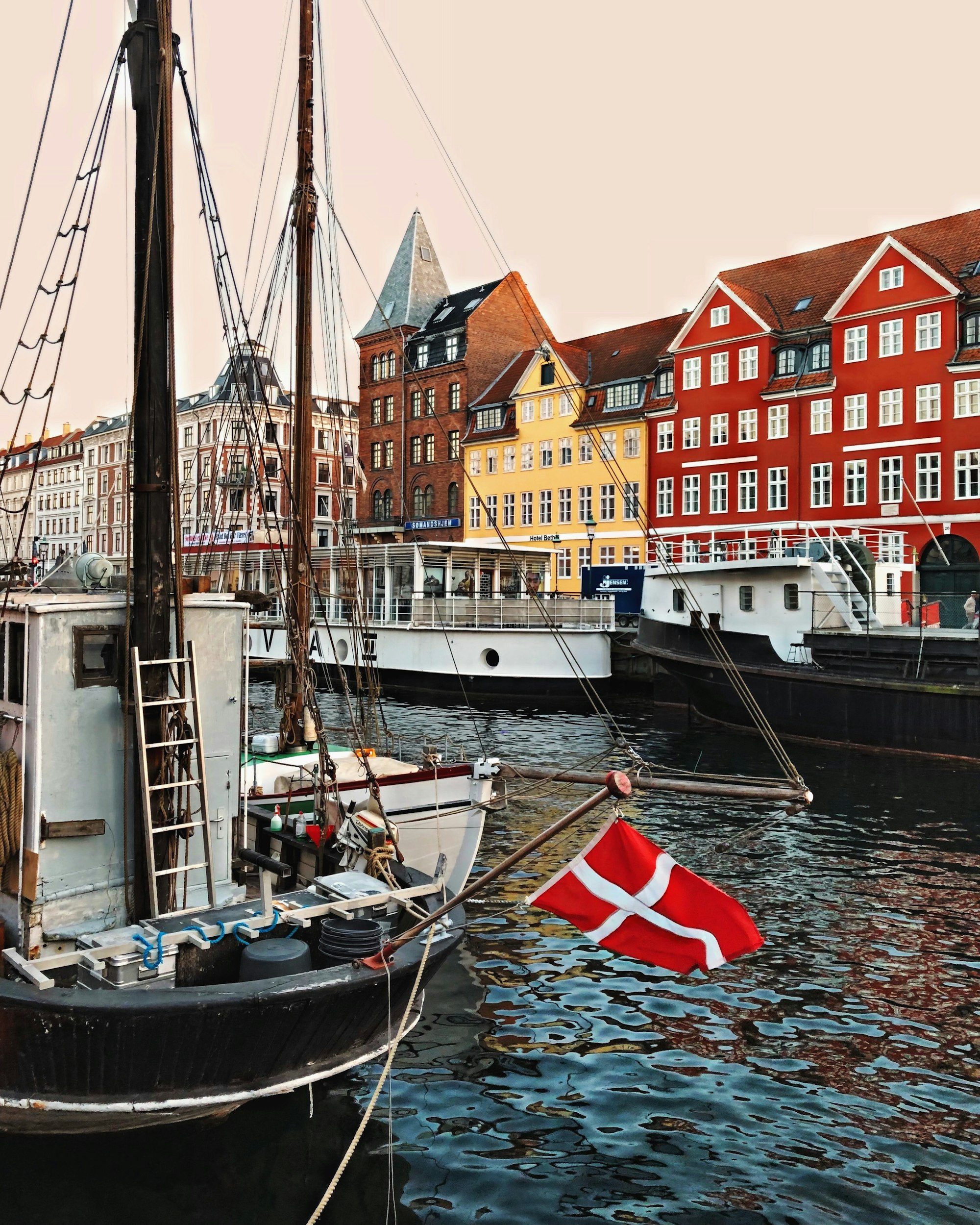
In a landmark decision that could reshape how young people interact with the digital world, Denmark announced on November 7, 2025, a political agreement to ban social media access for children under the age of 15. This move positions Denmark as one of the most progressive European nations in addressing concerns about youth mental health and online safety, following closely on the heels of Australia’s groundbreaking under-16 social media ban.
Denmark Makes History: Your Face and Voice Are Now Your Intellectual Property
The Danish Approach: A Nuanced Ban with Parental Override
Unlike Australia’s blanket prohibition for anyone under 16, Denmark’s approach introduces a more flexible framework. The new legislation, led by the Ministry of Digitalization, will:
- Set the minimum age at 15 for accessing major social media platforms including TikTok, Snapchat, Instagram, Facebook, X (formerly Twitter), and Reddit- Allow parental consent for 13-14 year-olds after a specific assessment process- Leverage Denmark’s national electronic ID system for age verification- Impose potential fines of up to 6% of global revenue for non-compliant platforms
Danish Digitalization Minister Caroline Stage emphasized the urgency of the measure, stating that “the so-called social media thrive on stealing our children’s time, childhood and well-being and we are putting a stop to that now.” The statistics backing this concern are striking: 94% of Danish children under age 13 currently have profiles on at least one social media platform, despite existing age restrictions.
The Mental Health Crisis Driving Policy Changes
Prime Minister Mette Frederiksen, who called for these restrictions in her October 2025 opening speech to parliament, cited alarming data showing unprecedented levels of anxiety and depression among Danish youth. Children in Nordic countries spend an average of 2 hours and 40 minutes per day on social media, according to the Danish Competition and Consumer Authority.
“On screens, they see things no child or young person should see,” Frederiksen noted, highlighting concerns about harmful content, disrupted sleep patterns, and the erosion of concentration abilities among young people. The initiative gained significant public support, with 50,000 Danish citizens signing a petition calling for restrictions on TikTok, Snapchat, and Instagram.
Age Verification: The Technical Challenge
One of the most critical aspects of Denmark’s approach is its plan to develop a national age-verification app, building on the country’s robust digital identity infrastructure where nearly all Danish citizens over 13 already possess a national electronic ID. This approach mirrors concerns raised in Australia’s Digital Revolution: Age Verification and ID Checks Transform Internet Use, where similar verification systems are being implemented.
Minister Stage acknowledged the enforcement challenges but remained confident: “We cannot force the tech giants to use our app, but what we can do is force the tech giants to make proper age verification, and if they don’t, we will be able to enforce through the EU commission and make sure that they will be fined up to 6% of their global income.”
Global Context: A Wave of Digital Child Protection Laws
Denmark’s move is part of a broader global trend toward stricter regulation of children’s social media access:
Australia’s Pioneering Ban
Australia became the first country to enact a comprehensive ban on social media for children under 16 in December 2024, as detailed in Australia’s Groundbreaking eSafety Laws. Platforms face fines of up to AUD $50 million for non-compliance.
European Developments
- Norway: Prime Minister Jonas Gahr Støre has proposed a similar ban for users under 15- UK: The Online Safety Act, which took effect on July 25, 2025, requires robust age verification for accessing potentially harmful content, as analyzed in the Digital Compliance Alert: UK Online Safety Act and EU Digital Services Act Cross-Border Impact Analysis- EU: Multiple countries are testing age-verification apps, coordinating efforts through the Digital Services Act framework
United States
While no federal standard exists, several states including Florida, Utah, and Arkansas have enacted various age-related social media restrictions, as documented in the Global Child Safety Legislation Wave: July-August 2025 Compliance Guide.
Privacy Concerns and Surveillance Risks
Critics worry that these age verification systems create dangerous precedents for digital surveillance. As explored in The Global Age Verification Disaster: How Privacy Dies in the Name of “Safety”, mandatory ID requirements could:
- Create centralized databases vulnerable to cyberattacks- Enable government tracking of all social media activity- Eliminate anonymous internet access- Provide authoritarian regimes with blueprints for censorship
The concentration of sensitive biometric and identity data in verification systems presents what privacy advocates call “perfect blackmail material” if breached.
Industry Response and Technical Workarounds
Social media platforms are scrambling to adapt to these new regulations. TikTok has highlighted its “50 preset safety features for teen accounts” and Family Pairing tools, while Meta has developed AI-powered age estimation systems using video selfies.
However, enforcement challenges remain significant:
- VPNs can mask user locations, bypassing geographic restrictions- Fake accounts created by older friends or family members- Migration to unregulated platforms or “dark social” spaces- The difficulty of accurately estimating age through technical means alone
The Debate: Protection vs. Rights
The Danish approach has sparked intense debate about balancing child protection with fundamental rights. Amnesty International and human rights organizations have raised concerns about:
- Freedom of expression: Limiting young people’s ability to participate in social and cultural discourse- Social isolation: Cutting off vital peer support networks and mental health resources- Educational impact: Restricting access to diverse information sources- Violation of children’s rights: Failing to consult young people on policies affecting them directly
Implementation Timeline and Next Steps
While the political agreement has been reached, the actual implementation will take months. Minister Stage indicated that lawmakers need time to craft legislation without loopholes, stating: “I can assure you that Denmark will hurry, but we won’t do it too quickly because we need to make sure that the regulation is right and that there are no loopholes for the tech giants to go through.”
The legislation will need to:
- Define specific platforms covered by the ban2. Establish the parental consent assessment process3. Integrate with EU Digital Services Act requirements4. Develop enforcement mechanisms and audit procedures5. Create the national age-verification infrastructure
What This Means for the Future
Denmark’s decision represents a critical juncture in the global conversation about children’s digital rights and safety. As one of the first EU countries to propose such comprehensive restrictions, Denmark could influence broader European policy through the Digital Services Act framework.
The success or failure of Denmark’s approach will likely determine whether other nations follow suit. Key metrics to watch include:
- Effectiveness of age verification without privacy violations- Impact on youth mental health indicators- Platform compliance and enforcement success- Unintended consequences like platform migration- Changes in youth online behavior patterns
The Broader Implications
This legislation highlights a fundamental shift in how societies view the relationship between children and technology. No longer are governments willing to rely solely on platform self-regulation or parental supervision. The Danish model suggests a future where:
- Government-issued digital IDs become prerequisites for online access- Age verification becomes as standard as passwords- Social media platforms must fundamentally restructure their business models- The concept of an open, anonymous internet continues to erode
🎧 Related Podcast Episode
Conclusion: A Global Experiment in Digital Childhood
Denmark’s ban on social media for children under 15 represents more than just national policy—it’s part of a global experiment in redefining childhood in the digital age. While proponents argue these measures are essential for protecting young minds from documented harms, critics warn of creating surveillance infrastructure that could fundamentally alter internet freedom.
As Denmark moves toward implementation and other nations watch closely, the coming months will reveal whether strict age limits can effectively protect children without sacrificing privacy and digital rights. The outcome of this Danish experiment, alongside Australia’s pioneering efforts, will likely shape global approaches to youth online safety for years to come.
The debate ultimately centers on a crucial question: In our effort to protect children from the dangers of social media, are we creating a digital world that’s safer—or simply more controlled? As Denmark takes this bold step, the world watches to see whether this represents visionary leadership in child protection or the beginning of a more restrictive digital future for everyone.
For more analysis on global age verification systems and their privacy implications, explore our comprehensive coverage at MyPrivacy.blog and ComplianceHub.wiki.