October 1, 2025 — In a stunning announcement that has ignited fierce debate about surveillance, free speech, and the politicization of federal law enforcement, FBI Director Kash Patel declared today that the bureau is severing all ties with the Anti-Defamation League. The move comes three weeks after the assassination of conservative activist Charlie Kirk and amid explosive controversy over how the ADL categorized his organization, Turning Point USA.
What Happened
Director Patel issued a blistering statement characterizing the FBI’s previous partnership with the ADL under former Director James Comey as “activism dressed up as counterterrorism” rather than legitimate law enforcement. In a social media post, Patel declared: “James Comey wrote ‘love letters’ to the ADL and embedded FBI agents with them—a group that ran disgraceful ops spying on Americans. That era is OVER. This FBI won’t partner with political fronts masquerading as watchdogs.”
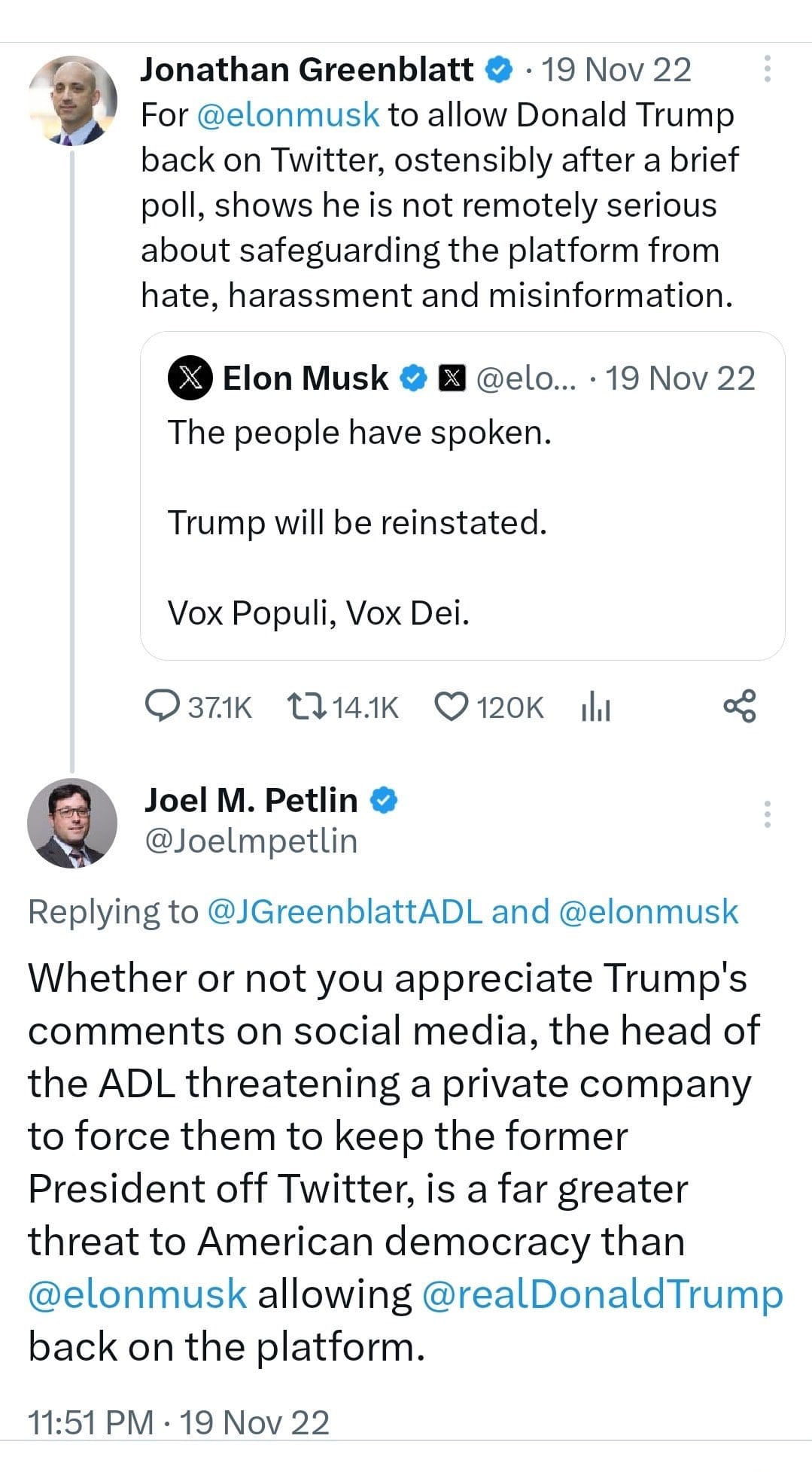
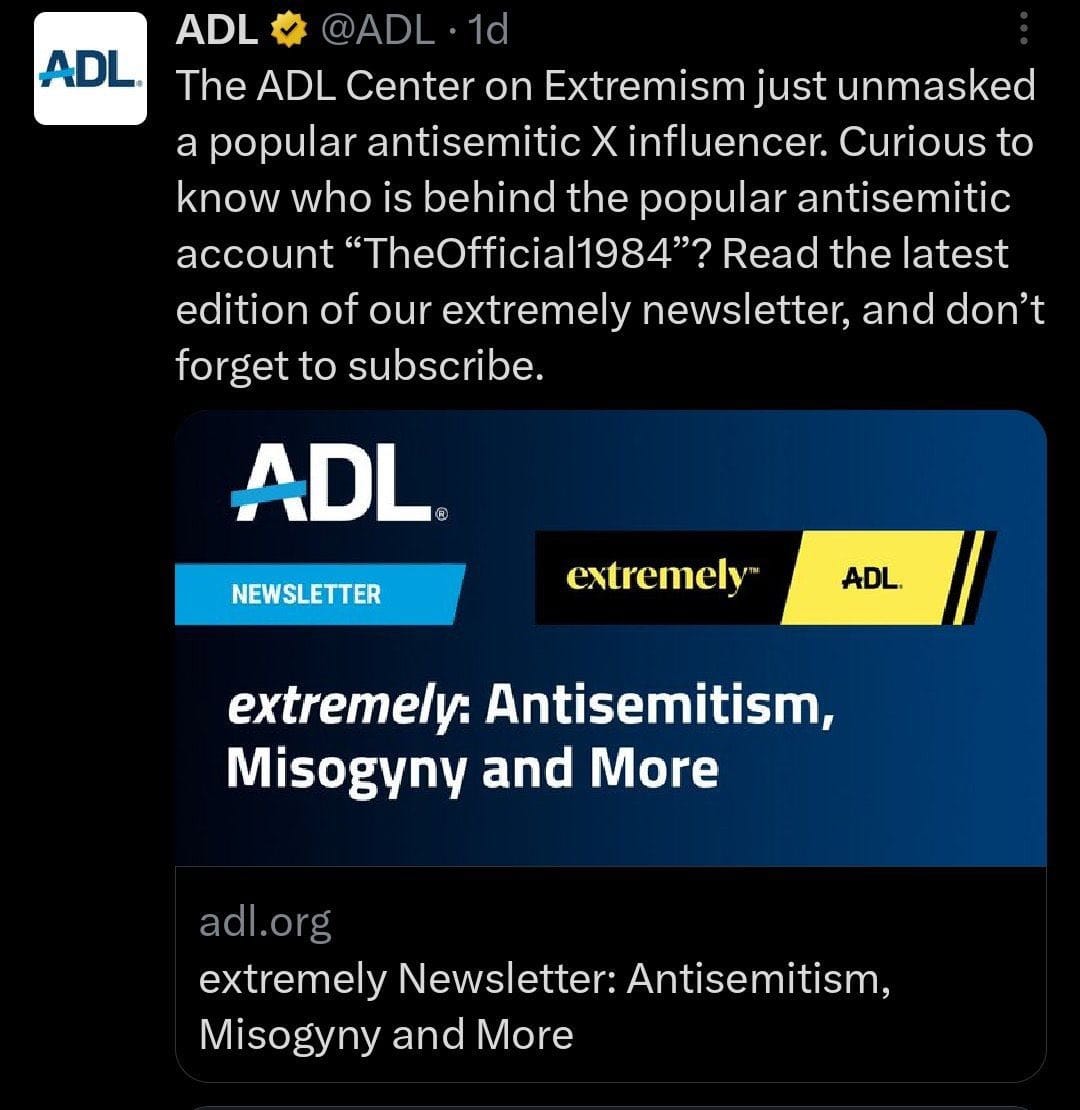
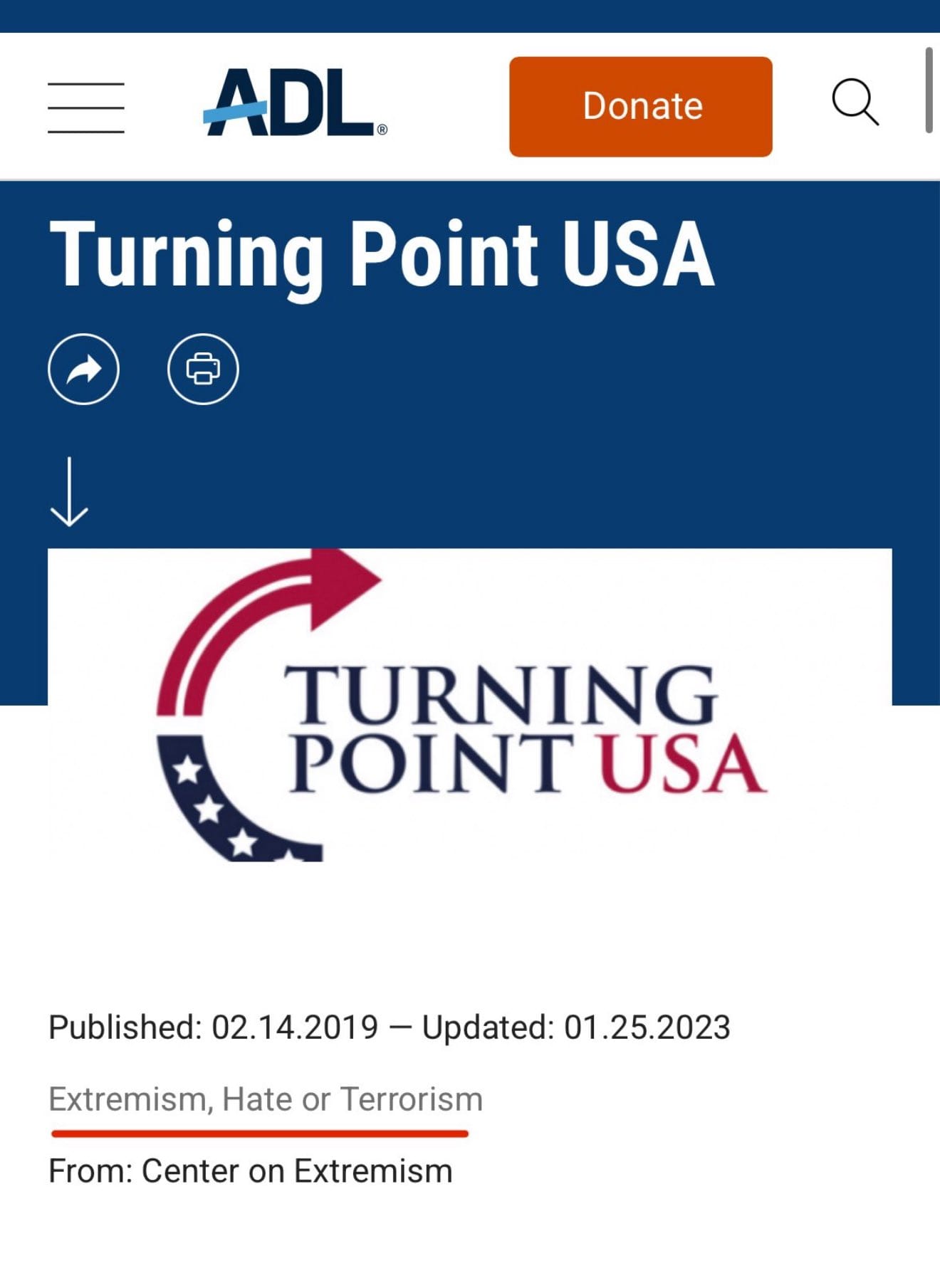
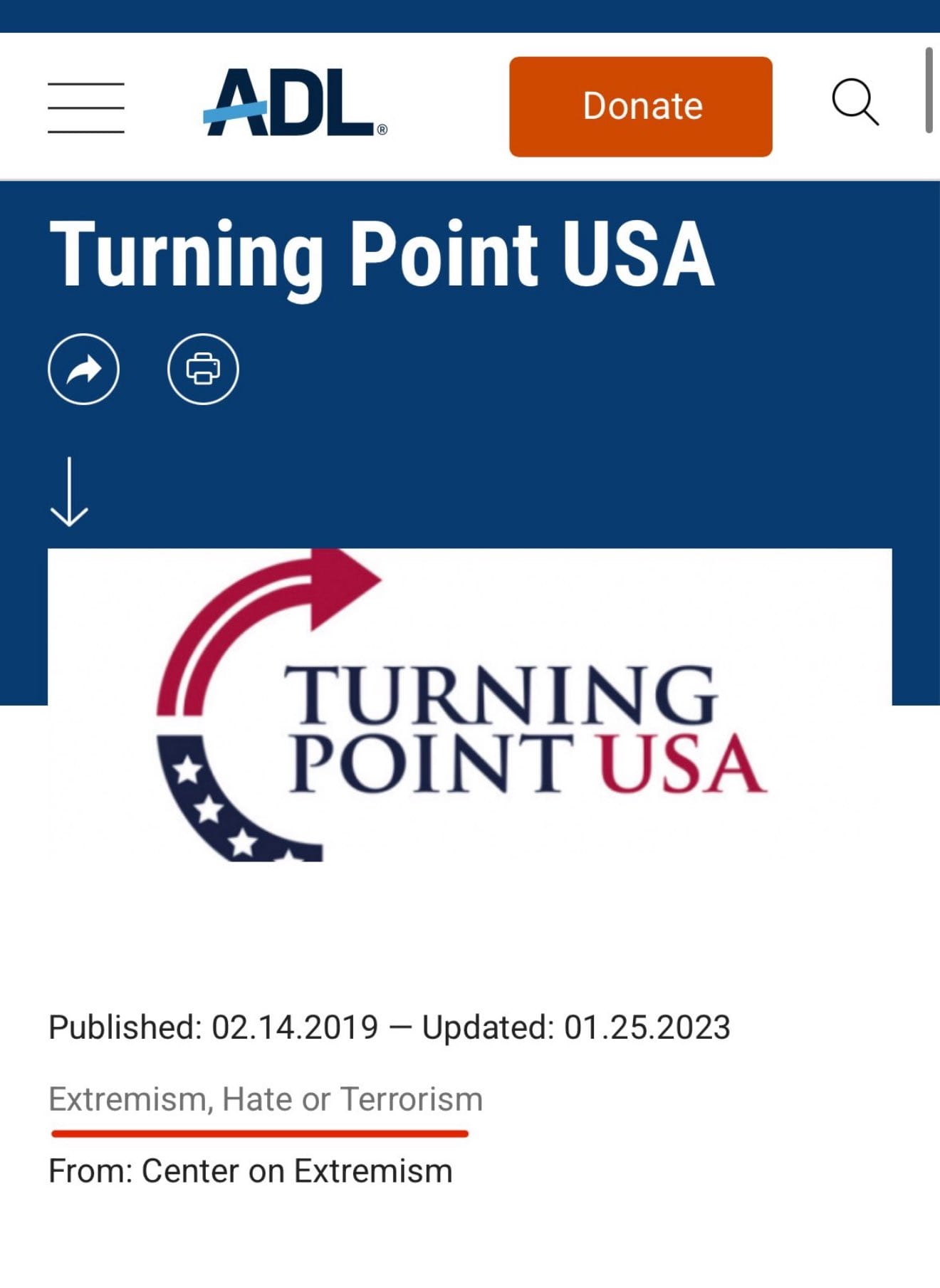
 The announcement follows weeks of intense backlash after Charlie Kirk was assassinated on September 10, 2025, while speaking at Utah Valley University. In the aftermath of his killing, attention turned to how the ADL had categorized Kirk’s organization in its “Glossary of Extremism and Hate.”
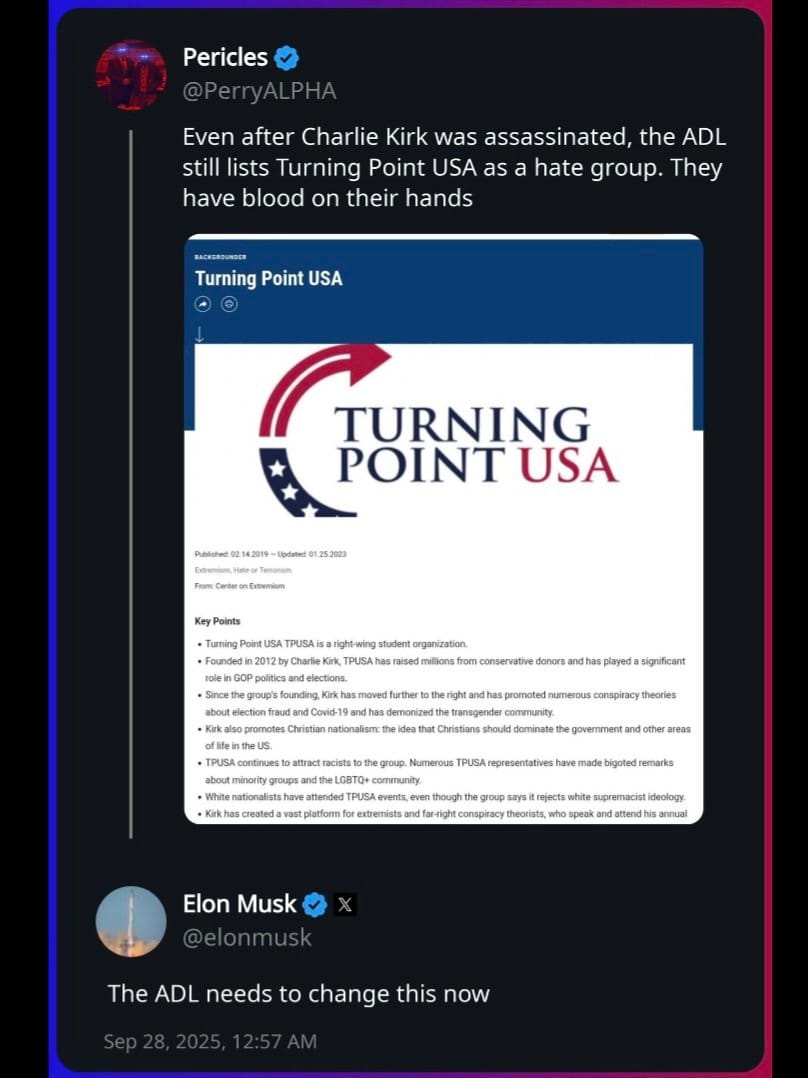
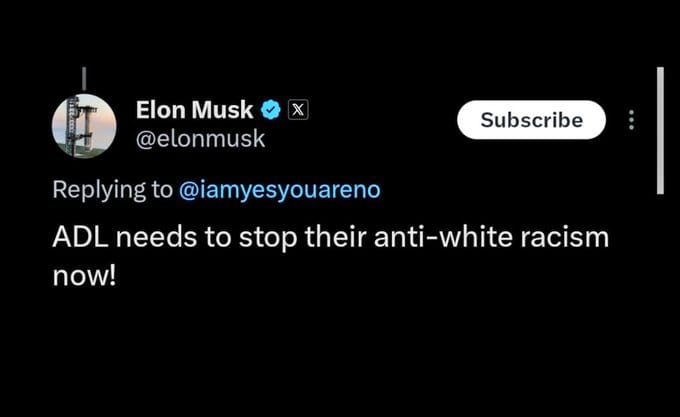
The ADL’s database described Turning Point USA as having ties to right-wing extremists and listed numerous controversial statements by TPUSA members dating back to 2015. Elon Musk and other prominent conservatives accused the ADL of contributing to a climate that led to Kirk’s assassination, with Musk claiming “the FBI was taking their ‘hate group’ definitions from ADL, which is why FBI was investigating Charlie Kirk & Turning Point, instead of his murderers”.
The Privacy and Surveillance Crisis This Reveals
For anyone concerned about digital privacy, government surveillance, and civil liberties, this situation exposes several alarming realities about how federal law enforcement operates in the digital age:
1. Private Organizations Shaping FBI Surveillance Targets
Under James Comey’s leadership from 2013-2017, the FBI developed extensive partnerships with the ADL, with bureau employees participating in over 105 training sessions on extremism, terrorism, and hate crimes. The ADL trained more than 12,000 law enforcement personnel annually.
The privacy concern: When private advocacy organizations help define who federal law enforcement monitors, there are virtually no public accountability mechanisms. We don’t know:
- What specific intelligence or assessments the ADL provided to the FBI- Whether ADL classifications influenced FBI investigations or surveillance decisions- What other private groups have similar arrangements with federal agencies- What safeguards exist to prevent political bias from driving surveillance
2. The Chilling Effect of Surveillance-by-Proxy
Whether or not you agreed with Charlie Kirk’s politics, his assassination and the subsequent revelation that his organization was listed in an FBI-partnered database raises disturbing questions. Kirk himself spoke about the dangers he faced just months before his death, telling a crowd in Kentucky: “We’re on the front lines where it’s not always safe”.
When advocacy groups categorize political organizations as “extremist” and share this information with federal law enforcement, it creates a surveillance ecosystem where:
- Political speech becomes surveilled speech- Associating with certain organizations puts you in federal databases- The line between monitoring genuine threats and tracking political opponents disappears
3. Your Digital Footprint Is Law Enforcement Intelligence
The Department of Homeland Security, FBI, and State Department routinely monitor social media platforms with few limits on content that can be reviewed. A House Judiciary Committee report revealed the FBI used a web portal to share intelligence products with financial institutions to identify individuals fitting profiles of “domestic violent extremists,” often based on conservative political views or constitutionally protected activity.
What this means for you:
- Your social media posts, likes, and group memberships are monitored- Your financial transactions can flag you for surveillance- Private companies share your data with federal agencies- Organizations you support online can put you in law enforcement databases
4. The Section 702 Backdoor Search Problem
A 2018 FISA Court ruling found that FBI procedures for accessing Americans’ communications violated both the Foreign Intelligence Surveillance Act and the Fourth Amendment. The FBI conducted 3.4 million warrantless searches of Americans’ communications in 2021 alone under Section 702.
The FBI-ADL partnership operated in this broader context where federal agencies routinely:
- Search Americans’ communications without warrants- Use “foreign intelligence” authorities to investigate domestic activities- Conduct millions of database queries on U.S. citizens- Face minimal oversight or consequences for violations
The ADL’s Response and the Glossary Controversy
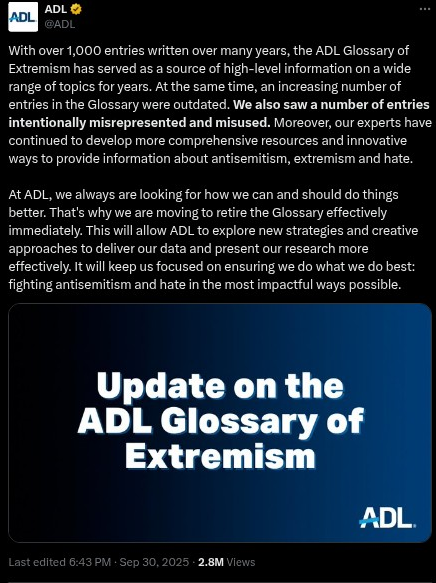
Facing pressure from Musk, Donald Trump Jr., and Republican lawmakers, the ADL removed its entire “Glossary of Extremism and Hate” from its website. The organization maintained it never classified TPUSA as an “extremist group” itself, though TPUSA appeared in a section titled “Extremism, Hate or Terrorism”.
An ADL spokesperson stated: “With over 1,000 entries written over many years, the ADL Glossary of Extremism has served as a source of high-level information on a wide range of topics for years. At the same time, an increasing number of entries in the Glossary were outdated. We also saw a number of entries intentionally misrepresented and misused.”
The problem: This explanation avoids the core question—how did a private organization’s “outdated” and “misrepresented” classifications influence federal surveillance of American citizens?
The Comey Connection and the “Love Letters”
In a May 2017 speech to the ADL’s National Leadership Summit, Comey declared: “I labeled that last speech a love letter to the ADL. Three years later I can say, from the perspective of the FBI, we’re still in love with you.” He concluded his remarks with “Love, the FBI”.
Comey was recently indicted by a federal grand jury on charges of making false statements and obstruction of justice related to his 2020 congressional testimony, though those charges are unrelated to the ADL partnership.
Privacy advocates should ask: What does it mean when the FBI director publicly declares the bureau is “in love” with a political advocacy organization that categorizes American citizens and groups?
NEWS: @JTLonsdale on the @ADL and @X:
“He’s a angry at [the ADL]. They need to state exactly what they want Twitter to do.”
pic.twitter.com/NMKCR4bGa1— X Daily News (@xDaily) September 7, 2023
What Elon Musk and Others Got Right (And Wrong)
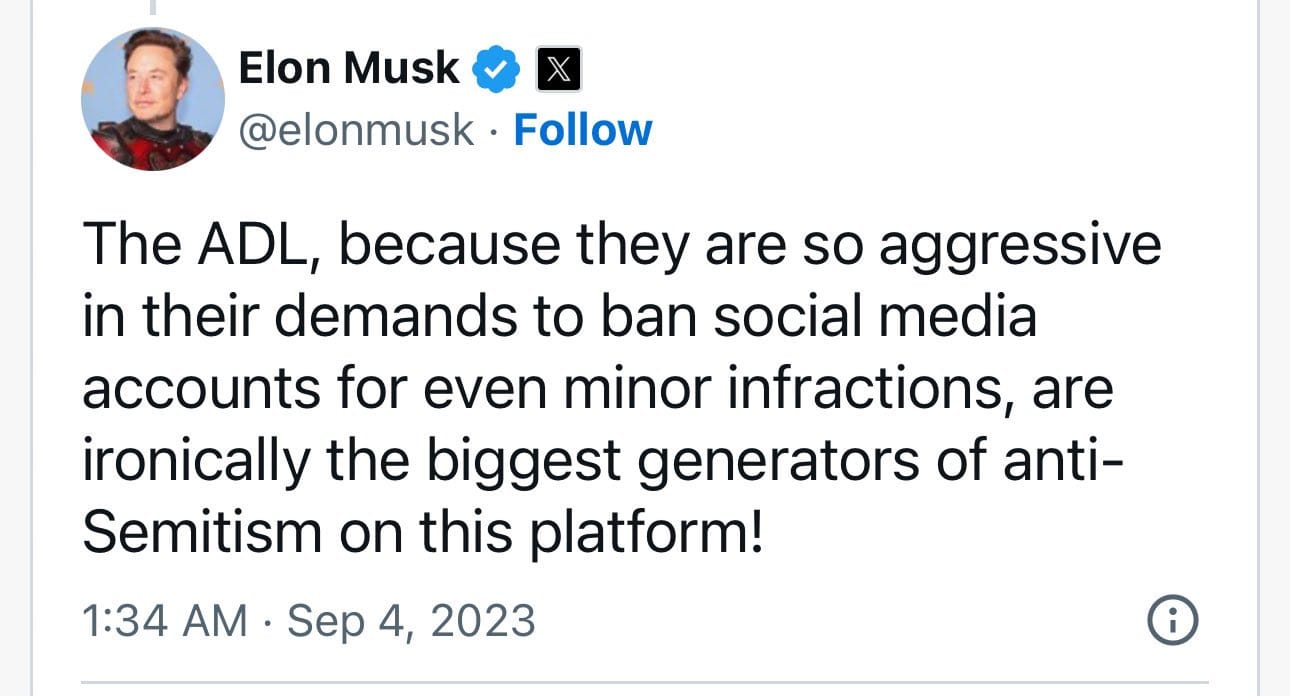
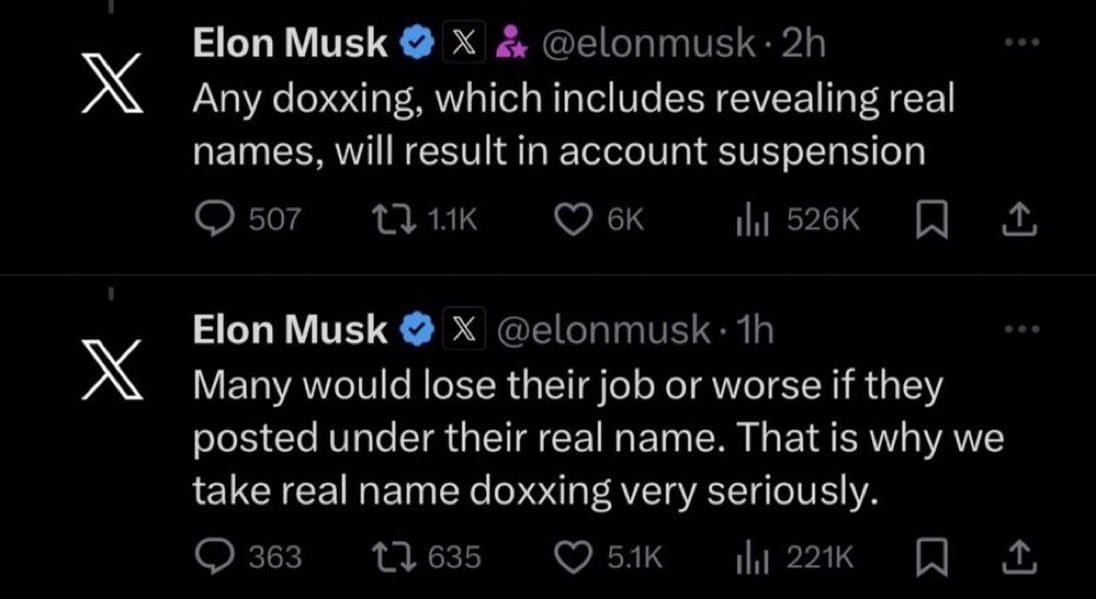
Images you provided show the escalating conflict between Musk and the ADL. While some criticism of the ADL has been hyperbolic, Musk raised legitimate concerns about:
- Platform moderation as surveillance: The ADL’s efforts to pressure social media companies to ban or restrict accounts based on its classifications2. Doxing concerns: Musk’s stated policy that “any doxing, which includes revealing real names, will result in account suspension” reflects genuine privacy concerns when advocacy groups publicly identify individuals3. Selective enforcement: Questions about whether the ADL applies its standards consistently across the political spectrum
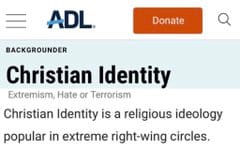
However, it’s worth noting that “Christian Identity” is a specific white supremacist movement with a documented history of violence, not a reference to mainstream Christianity—though the confusion illustrates how easily such databases can be misunderstood.
The Bigger Surveillance Picture
This controversy doesn’t exist in isolation. The FBI-ADL partnership operated within a massive federal surveillance apparatus:
- Social media monitoring: Federal agencies monitor social platforms with sweeping keyword lists and few restrictions on what content can be reviewed- Financial surveillance: Banks share customer transaction data with federal law enforcement to identify “suspicious” purchases- Backdoor searches: The FBI conducts millions of warrantless searches of Americans’ communications annually- Private partnerships: Unknown number of arrangements like the FBI-ADL relationship exist with minimal public disclosure
What This Means for Your Privacy
Immediate concerns:
- Association matters: Organizations you support, events you attend, and groups you join online can put you in federal databases2. Everything is monitored: Assume your social media, financial transactions, and communications are accessible to law enforcement3. No clear standards: The criteria for who gets surveilled are opaque and potentially politically influenced4. Limited recourse: You likely won’t know if you’re in a database or being monitored
Practical steps:
- Use encrypted communications for sensitive discussions (Signal, WhatsApp with disappearing messages)- Limit social media footprint: Review your privacy settings; consider which groups and pages you publicly follow- Monitor your digital presence: Google yourself regularly; know what information is public- Use privacy-focused tools: VPNs, privacy-oriented browsers, encrypted email- Understand your rights: Know what law enforcement can access without a warrant
Questions That Need Answers
Congress and privacy advocates should demand transparency about:
- What other private organizations have formal or informal partnerships with federal law enforcement?2. How do these organizations’ classifications influence FBI investigations?3. What safeguards prevent political bias from driving surveillance decisions?4. How many Americans are in databases based on information from private advocacy groups?5. What oversight mechanisms exist for these partnerships?
Facebook, Google, Apple, Microsoft & others have played central roles in the censorship cartel.
The Orwellian named NewsGuard along with “fact checking” groups & ad agencies helped enforce one-sided narratives.
The censorship cartel must be dismantled. pic.twitter.com/Xf0sEYOUfv— Brendan Carr (@BrendanCarrFCC) November 15, 2024
The Path Forward
Regardless of your views on the ADL, Charlie Kirk, or the current FBI leadership, this situation demands reforms:
Legislative action needed:
- Require court approval for backdoor searches under Section 702- Mandate public disclosure of FBI partnerships with advocacy organizations- Create clear, legally-defined standards for surveillance versus protected political activity- Establish independent oversight of how private intelligence influences federal investigations
Transparency requirements:
- Public reporting on how many Americans are surveilled based on private organization classifications- Disclosure of what data federal agencies collect from social media and financial institutions- Regular audits of surveillance programs with public summaries
Constitutional safeguards:
- Strengthen Fourth Amendment protections in the digital age- Create meaningful penalties for surveillance abuses- Ensure political speech and association are protected from government monitoring
The Bottom Line
The FBI’s decision to cut ties with the ADL—coming three weeks after Charlie Kirk’s assassination—exposes a surveillance ecosystem most Americans don’t know exists. Private organizations help shape federal law enforcement priorities. Your social media posts, financial transactions, and political associations are monitored and databased. Millions of warrantless searches of Americans’ communications occur annually. And there’s virtually no public accountability.
Whether the FBI’s move represents genuine reform or political retribution matters less than the fundamental question: Should private advocacy organizations—of any political orientation—have the power to influence federal surveillance of American citizens?
The answer should be no. And that requires urgent action to restore constitutional limits on government surveillance.
Protect yourself: Assume everything you do online is monitored. Use encryption. Limit your digital footprint. Understand your rights. And demand transparency about who’s watching and why.
This article will be updated as more information becomes available about the FBI-ADL partnership and its impact on Americans’ privacy.