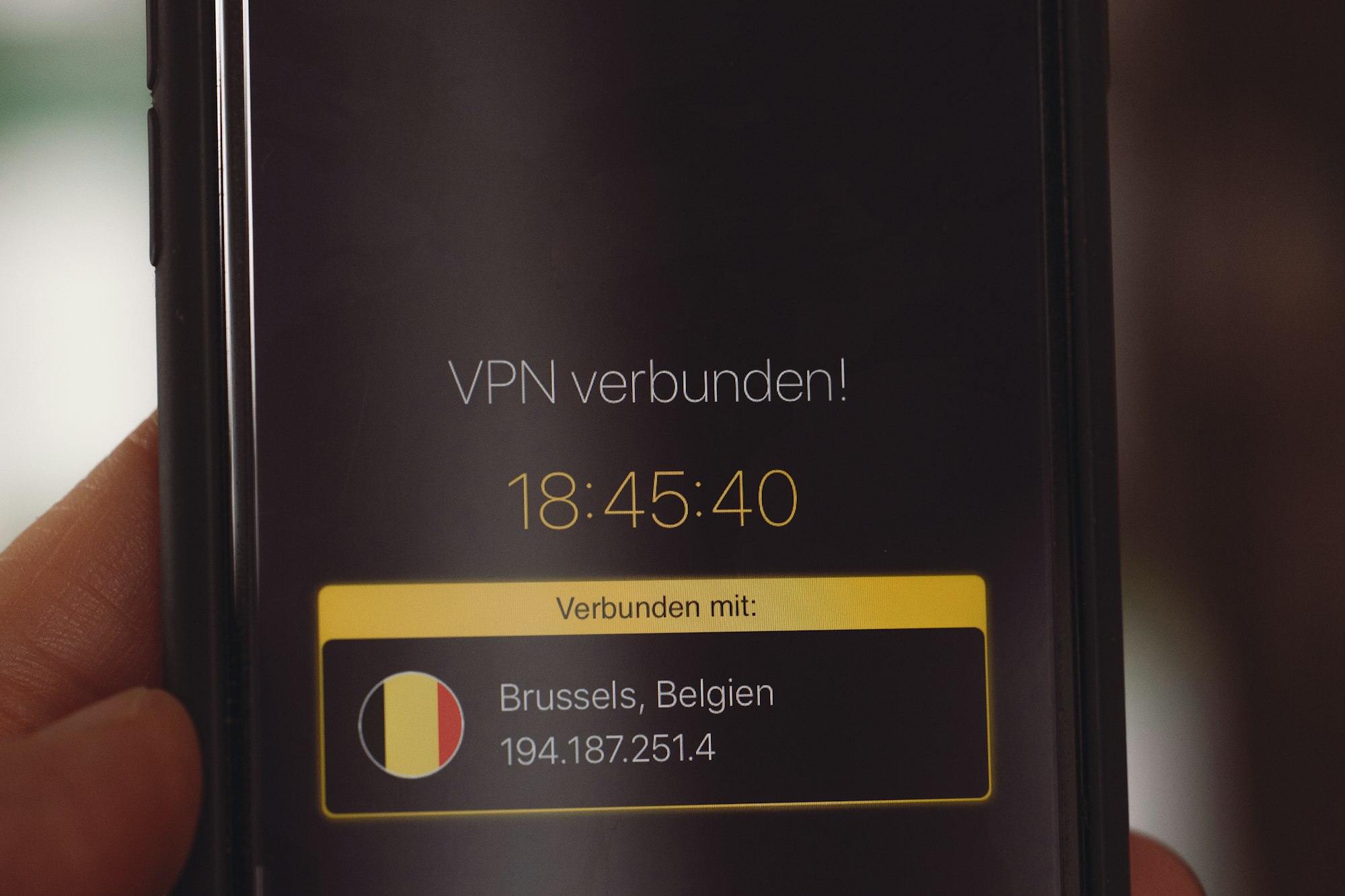
Bottom Line: Michigan House Bill 4938 represents one of the most expansive state-level internet censorship proposals in U.S. history, completely outlawing VPNs with $500,000 fines, requiring 24/7 surveillance of all internet traffic, and criminalizing vast categories of content including adult material, AI-generated content, and transgender depictions, with penalties reaching up to 25 years in prison.
Overview
On September 11, 2025, Michigan Republican Representative Josh Schriver of Oxford introduced House Bill 4938, officially titled the “Anticorruption of Public Morals Act.” The legislation, currently referred to the House Judiciary Committee, has drawn national attention for its unprecedented scope in attempting to regulate internet content and privacy tools.
The bill is co-sponsored by five other Republican lawmakers: Joseph Pavlov (District 64), Matt Maddock (District 51), James DeSana (District 29), Joseph Fox (District 101), and Jennifer Wortz (District 35).
What the Bill Would Ban
Adult Content Prohibition
HB 4938 defines “prohibited material” extraordinarily broadly to include:
- Traditional pornography: Videos, images, and written content depicting sexual acts- Digital and AI-generated content: Artificially created sexual material- Audio content: Including “erotic autonomous sensory meridian response content, moaning, or sensual voice content”- Written materials: Erotic stories and manga- Animated content: Cartoons and virtual depictions of sexual acts
Transgender Content Restrictions
Perhaps most controversially, the bill specifically targets content showing “a disconnection between biology and gender by an individual of 1 biological sex imitating, depicting, or representing himself or herself to be of the other biological sex” through clothing, cosmetics, or prosthetics.
VPN and Privacy Tool Bans
The legislation defines “circumvention tools” as “any software, hardware, or service designed to bypass internet filtering mechanisms or content restrictions including virtual private networks, proxy servers, and encrypted tunneling methods to evade content restrictions.”
Complete VPN Prohibition: Unlike partial restrictions seen in other jurisdictions, HB 4938 seeks to ban VPNs entirely within Michigan, making both their use and sale illegal with severe financial penalties.
Global Context: The Worldwide War on VPNs
Michigan’s proposed VPN ban places it alongside authoritarian regimes in restricting privacy tools, part of a concerning global trend:
Russia’s VPN Crackdown: Russia has implemented comprehensive VPN restrictions as part of broader internet control measures, though recent reports about WhatsApp and VPN restrictions require careful fact-checking.
UAE’s Digital Control: The UAE’s battle against VPN abuse demonstrates how governments frame privacy tool restrictions as cybersecurity measures while expanding surveillance capabilities.
Corporate Double Standards: Meanwhile, Google maintains security double standards that highlight inconsistent approaches to user privacy and security across platforms.
Michigan’s proposal represents an unprecedented attempt by a U.S. state to join this global trend toward VPN restrictions, potentially normalizing such measures in democratic jurisdictions.
Enforcement Mechanisms and Mass Surveillance Requirements
Comprehensive Internet Traffic Monitoring
HB 4938 mandates unprecedented surveillance infrastructure:
24/7 Traffic Surveillance: Internet service providers must implement continuous monitoring systems to scan all internet traffic passing through their networks, representing a fundamental shift toward mass surveillance of Michigan residents’ online activities.
Real-Time Content Scanning: The bill requires “real-time content scanning, keyword and metadata analysis, image recognition, and immediate takedown mechanisms” that would analyze every piece of content accessed by users.
VPN Detection and Blocking: ISPs must actively identify and block VPN connections, requiring deep packet inspection and traffic analysis technologies typically associated with authoritarian internet controls.
ISP Surveillance Mandates
The bill requires internet service providers to:
- “Implement mandatory filtering technology to prevent residents of this state from accessing prohibited material”- “Actively monitor and block known circumvention tools”- Block access to websites hosting prohibited material upon court order- Maintain logs and records for enforcement purposes
Platform Requirements
Online platforms accessible in Michigan must:
- Update terms of service to prohibit prohibited material- Implement “filtering and moderation systems…that operate 24 hours a day, 7 days a week, without user override”- Use “real-time content scanning, keyword and metadata analysis, image recognition, and immediate takedown mechanisms”- Provide annual transparency reports to state police- Respond to law enforcement flagged content within two business days
New Enforcement Division
The bill establishes a special internet content enforcement division within the Attorney General’s office with powers to:
- Investigate and prosecute violations- Conduct audits of ISPs and platforms- Issue legally binding takedown orders- Coordinate with federal and international law enforcement
Penalties and Fines
Criminal Penalties
- Standard violations: Up to 20 years in prison and/or $100,000 fine- Large-scale violations (100+ pieces of content): Up to 25 years in prison and/or $125,000 fine
Civil Penalties for VPN and Privacy Tool Violations
- VPN use or sale: Up to $500,000 per violation for commercial entities- Individual VPN users: Subject to criminal prosecution under the bill’s broad distribution language- Non-compliance with takedown orders: $250,000 per day of delay- Platform violations: Various fines for failing to implement required surveillance systems
Registry Requirements
Representative Schriver has publicly called for “porn distributors to be added to the sex offender registry” as part of his broader enforcement vision, potentially creating a new category of sex offense for consensual adult content distribution.
Sponsor’s Rationale
Representative Schriver, a 32-year-old former kindergarten teacher with a master’s degree in psychology, has positioned the bill as necessary for public morality. “Right now, we have a situation where you have over 90% of youth under the age of 18 who have seen pornography it’s killing our drive it’s killing our morality our moral and it’s something that has no place is western civilization,” Schriver stated.
Schriver’s broader political record includes controversial positions: he has called for bans on hormonal birth control, same-sex marriage, and gender-affirming care for adults, while promoting the Great Replacement conspiracy theory. In 2024, he was removed from committee assignments after sharing content related to white nationalist theories.
The Age Verification Trojan Horse: Global Censorship Trends
HB 4938 represents part of a broader international movement using “child protection” as justification for sweeping internet censorship and surveillance measures.
European Digital Identity Crackdown
Five EU countries are following the UK’s censorship playbook, implementing age verification systems that require invasive identity checks for accessing legal adult content. These systems:
- Force users to submit government IDs, facial scans, or credit card information- Create comprehensive databases of citizens’ online activities- Establish infrastructure that can be expanded to monitor other content categories
Cross-Border Compliance Impact
The UK Online Safety Act and EU Digital Services Act create cross-border compliance requirements that affect global internet infrastructure. Michigan’s approach follows this pattern by:
- Requiring platforms to implement age verification for all users, not just minors- Creating enforcement mechanisms that could expand beyond adult content- Establishing precedents for state-level internet regulation that mirrors authoritarian approaches
The Censorship Escalation Pattern
Age verification systems consistently expand beyond their stated purposes:
- Initial Scope: Protecting children from adult content2. Function Creep: Expanding to monitor “harmful” content more broadly3. Infrastructure Reuse: Applying surveillance systems to political, social, or ideological content4. Normalization: Making invasive monitoring standard practice
Michigan’s bill skips the gradual escalation by immediately implementing comprehensive censorship and surveillance.
Constitutional and Legal Concerns
First Amendment Issues
Legal experts and advocacy groups have raised significant constitutional concerns about the bill’s breadth. The legislation attempts to regulate content that courts have historically protected as free speech. The bill’s language stating it targets material “that at common law was not protected by adoption of the First Amendment” appears to misunderstand modern constitutional jurisprudence.
Historical Precedent
In 1957, the Supreme Court unanimously struck down a Michigan law that restricted adult access to literature deemed harmful to children. No state has successfully enacted a complete ban on pornography for adults.
Technical Feasibility
VPN bans face significant enforcement challenges. Privacy advocates note that “restricting access to these technologies not only jeopardizes individual liberties but also sets a worrying precedent for increased government control over the open internet,” according to NordVPN’s privacy advocate Laura Tyrylyte.
Industry and Civil Rights Response
The proposal has drawn criticism from multiple angles:
Free Speech Advocates argue the bill criminalizes protected expression and could create dangerous precedents for government censorship.
LGBTQ+ Rights Groups have expressed alarm over provisions that could criminalize transgender expression and identity.
Technology Companies and privacy advocates warn that VPN restrictions would undermine cybersecurity and privacy protections used by businesses and individuals.
Constitutional Scholars note the bill’s broad language could encompass educational, artistic, and literary works with minimal sexual content.
Political Context and Prospects
The bill was introduced in a Republican-controlled House but faces significant hurdles in Michigan’s Democratic-controlled Senate. Even if it were to pass both chambers, constitutional challenges would likely follow immediately.
The legislation represents part of a broader national trend of Republican-led efforts to restrict online content, though HB 4938 goes further than similar proposals in other states by including VPN bans and transgender content restrictions.
Broader Implications
Setting Dangerous Global Precedents
If enacted, Michigan’s law could provide political cover for authoritarian regimes worldwide to justify their own internet restrictions. “This means that, if the Michigan-proposed bill passes in its current form, it could give even more levy to the likes of China, Russia, Iran, Myanmar, or Venezuela to beef up their VPN crackdown even further,” according to privacy experts.
The legislation normalizes several concerning practices:
Mass Surveillance Infrastructure: The 24/7 monitoring requirements establish surveillance capabilities that mirror those used by authoritarian governments for political control.
Privacy Tool Criminalization: Complete VPN bans place Michigan alongside countries like China and Iran in restricting basic privacy technologies.
Content Category Expansion: By including transgender depictions and ASMR content, the bill demonstrates how broadly “harmful content” definitions can expand beyond traditional obscenity.
Economic and Technical Impacts
The bill’s requirements would create significant burdens:
- ISP Infrastructure Costs: Implementing comprehensive traffic monitoring and filtering systems- Business Compliance: Companies with Michigan users would need extensive content moderation systems- Tech Sector Impact: Michigan’s technology industry could face competitive disadvantages due to privacy tool restrictions- Remote Work Disruption: VPN bans would affect businesses requiring secure connections for remote employees
Constitutional Cascade Effects
Success of HB 4938 could encourage similar legislation in other Republican-controlled states, potentially creating a patchwork of internet restrictions that fragment the open internet within the United States.
Current Status
As of late September 2025, HB 4938 remains in the House Judiciary Committee. The bill requires passage of a related measure (House Bill H03698’25) to take effect, and would become law 90 days after enactment if both bills pass.
Given the bill’s controversial nature, broad scope, and likely constitutional vulnerabilities, legal observers expect significant opposition and court challenges should it advance further in the legislative process.
🎧 Related Podcast Episode
Conclusion
HB 4938 represents far more than internet content regulation—it’s a blueprint for comprehensive digital surveillance and control that would fundamentally transform Michigan into a surveillance state. The bill’s combination of complete VPN bans, 24/7 traffic monitoring, and broad content restrictions creates an infrastructure of control that extends far beyond its stated moral purposes.
Key Concerns:
- Unprecedented Surveillance: The 24/7 monitoring requirements represent the most comprehensive state-level internet surveillance proposal in U.S. history- Privacy Destruction: Complete VPN bans eliminate basic privacy protections used by businesses, journalists, activists, and ordinary citizens- Expansive Censorship: Content restrictions go far beyond traditional obscenity to include political and identity-based expression- Authoritarian Precedent: Michigan would join authoritarian regimes in restricting fundamental privacy tools and speech
The legislation serves as a crucial test case for digital rights in America. While framed as child protection and moral preservation, HB 4938’s sweeping surveillance and censorship infrastructure could easily be repurposed for broader political and social control.
As the bill moves through the legislative process, it represents a fundamental choice between preserving digital freedom and accepting authoritarian-style internet control. The outcome will have implications extending far beyond Michigan’s borders, potentially serving as either a dangerous precedent for other states or a cautionary tale about the limits of government power in the digital age.
The stakes could not be higher: this bill would not just restrict certain content, but would fundamentally reshape the relationship between government and citizen privacy in the digital realm, establishing surveillance and control mechanisms that mirror those used by the world’s most repressive regimes.