🎧 Related Podcast Episode
Executive Summary
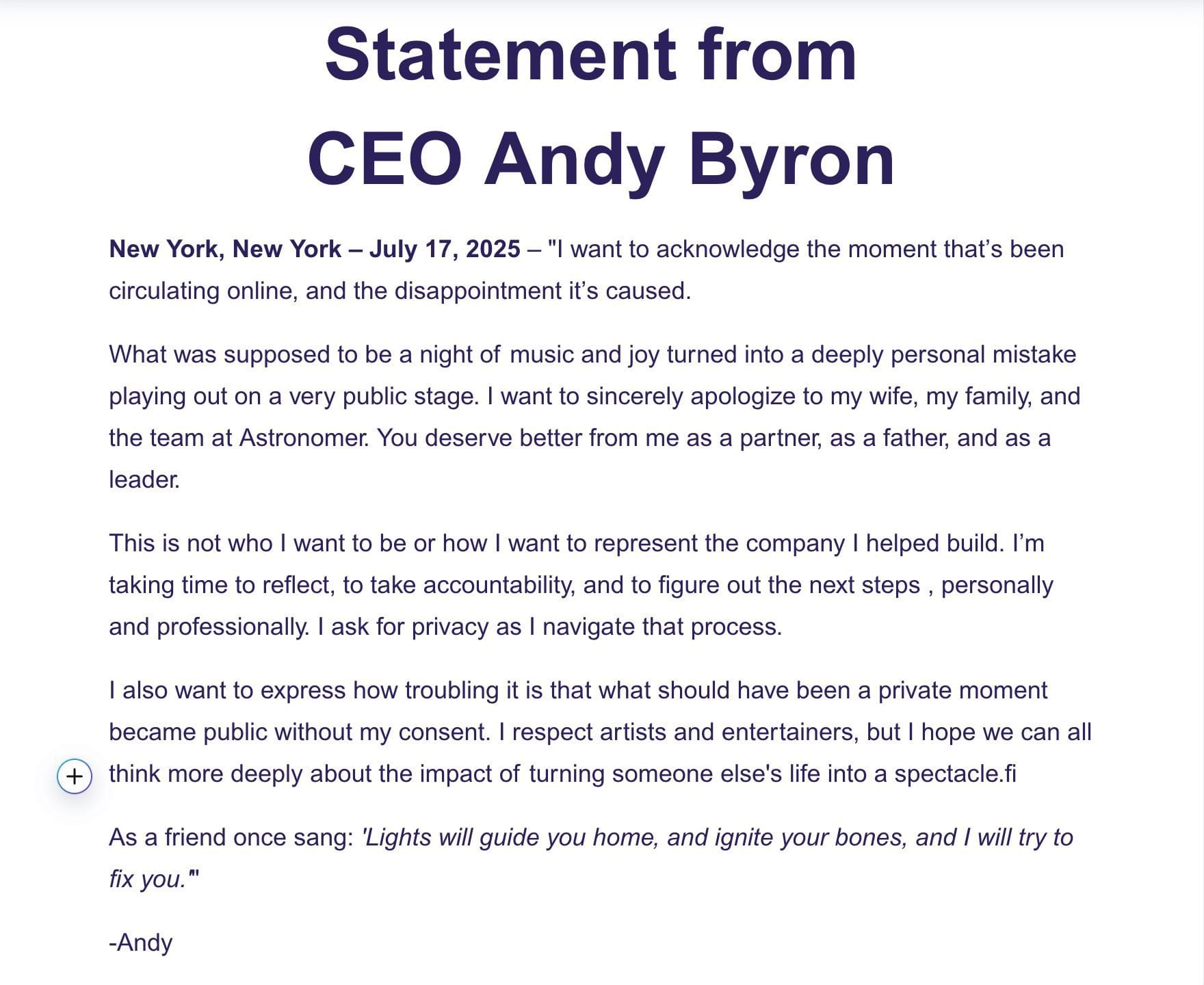
The July 2025 incident involving Astronomer CEO Andy Byron and HR executive Kristin Cabot at a Coldplay concert has ignited a complex legal debate about privacy rights in public spaces, the implications of ubiquitous surveillance, and the intersection of European and American privacy laws. This analysis examines the privacy law implications of their capture on a concert “kiss cam,” their subsequent resignations, and Byron’s reported consideration of legal action against Coldplay.
Bottom Line: While Byron may claim privacy violations, his legal position is fundamentally weak under both US and international law. Concert attendance at a public venue with express filming consent through ticket purchase creates virtually no expectation of privacy, and GDPR would not apply to protect him in this scenario.



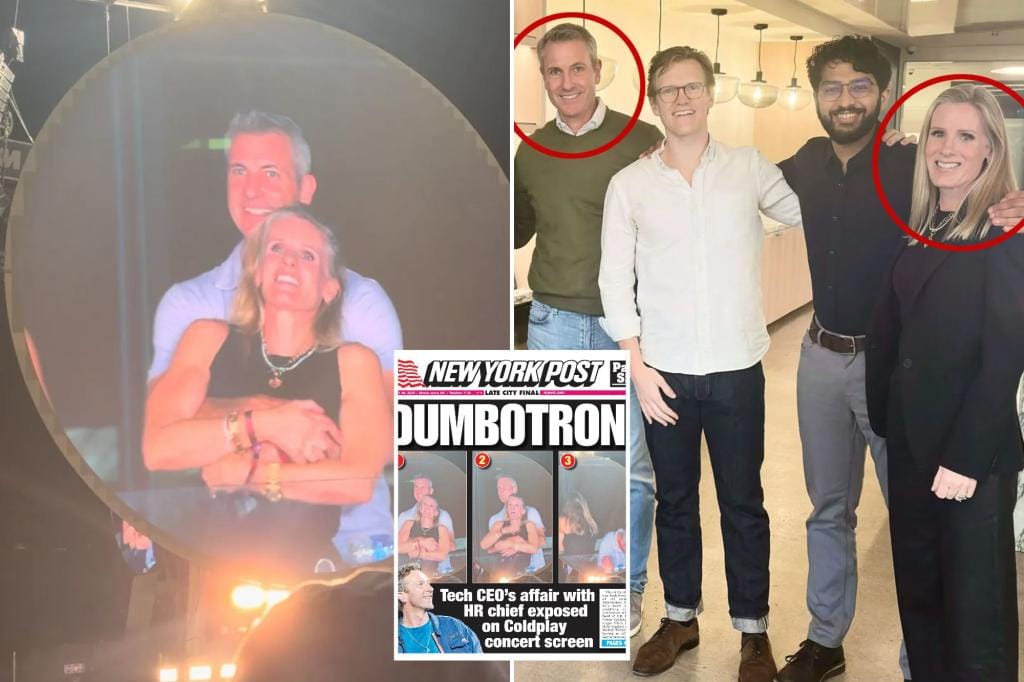
The Incident: When Private Moments Become Public Spectacle
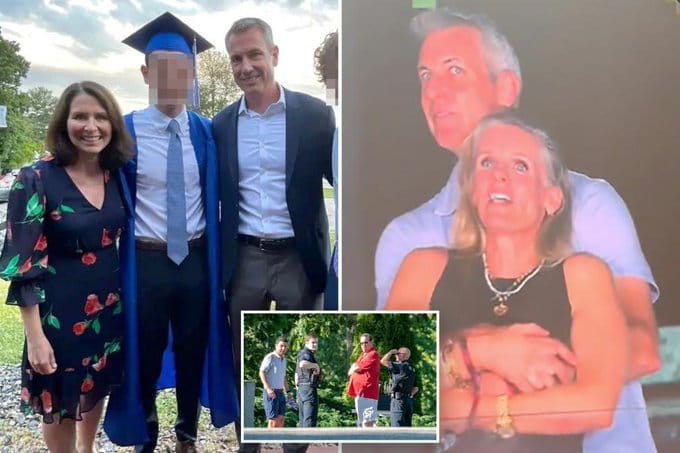
On July 16, 2025, during Coldplay’s concert at Gillette Stadium in Foxborough, Massachusetts, married CEO Andy Byron and Chief People Officer Kristin Cabot were captured on the venue’s “kiss cam” in an intimate embrace. Their immediate reaction—ducking and covering their faces when they realized they were on the jumbotron—only amplified public interest. Chris Martin’s quip, “Either they’re having an affair or they’re just very shy,” sealed their fate as viral internet content.
The video, originally posted by a concertgoer, garnered over 60 million views across social media platforms. Within days, both executives resigned from their positions at the $1 billion valuation startup, and Byron reportedly began exploring legal action for “emotional distress” and “invasion of privacy.”
                    0:00

                        /0:14


                    1×
The Legal Landscape: Public Spaces and Privacy Expectations
US Privacy Law Framework
Under US law, the concept of “reasonable expectation of privacy” serves as the cornerstone for privacy protection. As established in Katz v. United States and reinforced by numerous subsequent decisions, individuals in public spaces have virtually no reasonable expectation of privacy regarding what can be seen or heard by others.
Key Legal Principles:
- Public Forum Doctrine: Concert venues, while privately owned, are considered public accommodations where normal privacy expectations are significantly diminished- Consent Through Ticket Purchase: Most venue tickets contain explicit language consenting to filming and use of attendee images- First Amendment Protections: Recording in public spaces is generally protected as free speech and press activity
Legal experts consulted about the Byron case were unanimous in their assessment. As entertainment attorney Tre Lovell stated: “When you are out in public, you have no right to privacy for your actions. People are free to photograph you and video you.”
Global Privacy & Compliance Explorer
International Privacy Considerations: GDPR and Beyond
The General Data Protection Regulation (GDPR), often cited as the world’s strictest privacy law, presents a more nuanced picture when applied to public filming scenarios.
GDPR Applicability Analysis:
- Personal Data Classification: Under GDPR, any video footage that identifies a person is considered personal data2. Household Exemption: GDPR provides a “household exemption” under Article 2(2)(c) for personal activities, which likely covers individual concertgoers filming for personal use3. Public Space Recording: Though individuals may have reduced privacy expectations in public, “just because filming takes place in public – it does not necessarily mean that there is no right to privacy”4. Commercial Use Threshold: The critical factor becomes whether footage is used for commercial purposes or causes substantial privacy harm
GDPR’s Limited Protection in This Context:
Even under GDPR’s strict framework, Byron’s case faces significant challenges:
- The original filming was by a private individual for personal social media use- Concert venues typically post notices about filming and obtain consent through ticket terms- For large public events, data controllers may rely on “legitimate interests” as a legal basis when obtaining individual consent is impractical- Byron voluntarily attended a public event known for audience participation segments
GDPR & ISO 27001 Compliance Assessment Tool
Concert Venues and Contractual Consent
Industry Standard Practices
Concert venues universally include filming consent provisions in their ticketing terms and conditions. These contractual agreements typically cover several key elements:
Standard Venue Consent Language:
- “Buying a ticket affirms your consent to the filming and sound recording of yourself as a member of the audience”- “We reserve the right to record, broadcast and/or telecast any Event at the Sydney Opera House and you consent to the use of any image or recording taken of you”- “By purchasing a Ticket to an Event and/or attending The O2 you give your express consent to all such filming and to your actual or simulated likeness being included within any: film, photograph, audio and/or audio-visual recording”
Legal Enforceability
These contractual provisions create a robust legal framework that effectively waives privacy claims:
- Informed Consent: Ticket purchasers receive clear notice of filming policies2. Voluntary Acceptance: Attendance constitutes acceptance of terms3. Broad Scope: Language typically covers all forms of recording and subsequent use4. Industry Standard: Universal adoption creates reasonable expectation of such terms
Legal Expert Assessment: As attorney Ron Zambrano noted: “Byron and Cabot waived their right to privacy when they decided to attend a public event, so their public display of affection is on them, not on Coldplay. They just got caught.”
Identity Threat Detection Calculator | Assess Your Risk
The Reality of Omnipresent Surveillance in 2025
The Panopticon Society
The Byron incident illustrates the broader reality of constant surveillance in modern society. As noted in coverage of the incident, “the prevalence of doorbell cameras, video boards, and retail and government surveillance systems create more ways for people to be filmed”.
Sources of Ubiquitous Recording:
- Concert venue cameras and jumbotrons- Individual smartphones and social media- CCTV systems in urban environments- Traffic cameras and license plate readers- Doorbell cameras and home security systems- Body cameras and police surveillance- Drone photography and aerial surveillance
Legal Implications of Constant Recording
This surveillance ecosystem creates several legal challenges:
- Layered Consent Issues: Multiple recording sources may have different legal bases2. Viral Amplification: Single recordings can reach global audiences instantly3. Context Collapse: Private moments become public entertainment4. Permanent Digital Records: “Right to be forgotten” becomes practically impossible
Creator Security Check | Privacy Assessment for Content Creators
GDPR’s Limited International Reach in This Context
Jurisdictional Challenges
While Byron might theoretically invoke GDPR protections, several factors limit its applicability:
Jurisdictional Barriers:
- Incident occurred in Massachusetts, USA- Primary filming by US individuals for US social media platforms- GDPR’s territorial scope doesn’t clearly cover this scenario- US venues not subject to EU data protection authority enforcement
Practical GDPR Limitations:
- Individual Recording Exception: Personal photography and social media posting by individuals typically falls under household exemption2. Public Interest Considerations: Newsworthy events involving public figures may justify processing under legitimate interest grounds3. Enforcement Challenges: EU data protection authorities have limited jurisdiction over US-based platforms and individuals
Cross-Border Privacy Law Conflicts
The case highlights tensions between different privacy law regimes:
- US Approach: Emphasizes First Amendment protections and limited privacy in public- EU Approach: Broader privacy protections but with significant exceptions for public spaces- Venue-Specific Rules: Private property owners can establish their own filming policies
Legal Defenses and Likely Outcomes
Byron’s Weak Legal Position
Multiple legal experts have concluded that Byron’s potential lawsuit faces insurmountable obstacles:
Defamation Claims: Attorney Camron Dowlatshahi noted that a defamation claim “would need to prove there wasn’t” an affair, while also establishing that Chris Martin’s comment was false and made with malice
Privacy Invasion Claims: “Any legal claims from Byron would be dead on arrival,” according to attorney Ron Zambrano, citing “no grounds to sue” due to voluntary attendance at a public event
Contractual Barriers: Ticket terms likely include broad consent to filming and use of likeness
Smart Lifestyle Solutions | SecureIoT House
Coldplay’s Strong Defense Position
The band enjoys multiple layers of legal protection:
- First Amendment Protections: Performance and audience interaction are protected speech2. Venue Rights: Private property owners can authorize filming3. Audience Consent: Ticket terms establish filming rights4. Public Forum: Concert venues are public accommodations with limited privacy expectations5. Incidental Capture: Byron and Cabot were captured as part of broader audience interaction
Sources close to the band report that frontman Chris Martin “laughed out loud” at the prospect of being sued, reflecting the weakness of Byron’s legal position.
Broader Implications for Privacy in the Digital Age
The New Reality of Public Life
The Byron incident demonstrates how traditional privacy concepts struggle with modern reality:
Technological Amplification: Single moments can achieve global reach within hours through social media viral mechanisms
Professional Consequences: Personal conduct in public spaces can trigger immediate professional repercussions
Permanent Digital Records: Internet archives make “moving on” from embarrassing moments increasingly difficult
Corporate Governance Implications
The incident has created new considerations for corporate leadership:
- Public Behavior Standards: Executive conduct in any public setting carries reputational risk2. Social Media Policies: Companies may need updated policies addressing viral content involving executives3. Crisis Management: Rapid response protocols for viral incidents involving leadership4. Privacy Training: Executive education about realistic privacy expectations in public
Legal System Adaptation Challenges
Courts and legislators face pressure to address new privacy challenges:
- Viral Content Liability: When does sharing become harassment or invasion of privacy?- Platform Responsibility: What obligations do social media companies have regarding viral content?- Right to be Forgotten: How can privacy rights be balanced with free speech in digital contexts?- International Coordination: How can different privacy law regimes be harmonized?
Social Media Risk Assessment Tool
Recommendations and Best Practices
For Individuals
- Assume Constant Recording: Behave in public as if being recorded at all times2. Review Venue Policies: Understand filming rights when attending events3. Social Media Awareness: Recognize that any public moment could become viral content4. Legal Consultation: Seek professional advice before pursuing privacy-related litigation
For Organizations
- Clear Filming Policies: Prominently display and explain recording rights and limitations2. Consent Mechanisms: Provide opt-out procedures where legally feasible3. Staff Training: Educate employees about public behavior and reputational risks4. Crisis Protocols: Develop rapid response procedures for viral incidents
For Policymakers
- Modernize Privacy Laws: Update legislation to address digital age realities2. International Coordination: Develop frameworks for cross-border privacy enforcement3. Balance Rights: Carefully weigh privacy protections against free speech and press rights4. Technology Regulation: Consider platform-specific obligations for viral content
Smart Home Security Scorecard | Risk Assessment Tool
Conclusion: Privacy’s Evolution in the Surveillance Society
The Andy Byron Coldplay incident serves as a cautionary tale about privacy expectations in our increasingly surveilled world. While Byron’s reported legal strategy appears fundamentally flawed under both US and international law, the case highlights broader questions about how privacy rights must evolve to address 21st-century realities.
Key Takeaways:
- Limited Public Privacy: Traditional privacy protections offer minimal recourse for conduct in public spaces, regardless of jurisdiction2. Contractual Consent: Venue terms and conditions create binding obligations that effectively waive privacy claims3. GDPR’s Limitations: Even the world’s strictest privacy law provides limited protection for public conduct captured by private individuals4. Technological Amplification: The gap between legal privacy rights and practical privacy protection continues to widen5. Professional Vulnerability: Corporate executives and public figures face heightened reputational risks from any public conduct
The Future of Privacy:
As technology continues to advance and surveillance becomes ever more ubiquitous, legal systems must grapple with fundamental questions about the nature of privacy itself. The Byron case suggests that rather than expanding legal protections for public conduct, society may need to adapt expectations about privacy and develop new social norms for digital age behavior.
The ultimate lesson may be that in 2025, privacy is not a right to be expected in public spaces, but a privilege to be carefully protected in genuinely private settings. For corporate executives and public figures, this reality demands a new level of consciousness about the intersection of personal conduct and professional responsibility.
The cameras are always rolling—the question is not whether we can stop them, but how we choose to behave knowing they’re there.
This analysis is based on publicly available information and legal expert commentary. It should not be construed as legal advice for any specific situation. Individuals facing similar circumstances should consult qualified legal counsel.