From Secret Police Stations to SIM Farms - A Pattern of Systematic Surveillance Emerges
Bottom Line: The recent Secret Service takedown of a massive SIM farm network near the UN General Assembly represents just the tip of the iceberg in a sophisticated Chinese intelligence operation that has systematically embedded surveillance infrastructure across American communities for decades. This network threatens the privacy and security of millions of Americans, particularly in diaspora communities.
Secret Service Dismantles Massive SIM Farm Network Threatening NYC During UN General Assembly
When the U.S. Secret Service announced the dismantling of over 300 SIM servers containing 100,000 SIM cards near New York City last week, cybersecurity experts immediately recognized the sophistication of the operation. But this telecommunications threat represents far more than an isolated incident—it’s part of a decades-long pattern of Chinese intelligence operations that have systematically infiltrated American communities, targeting the privacy and communications of both Chinese-Americans and broader American society.
The SIM Farm Discovery: A New Frontier in Privacy Violations
The network discovered just 35 miles from the UN General Assembly was capable of sending 30 million text messages per minute and could have completely shut down New York City’s cellular infrastructure. Early forensic analysis revealed something even more concerning: the system was being used for communications between foreign governments and known criminal organizations including cartels and human trafficking rings.
For privacy advocates, this discovery raises alarming questions about how long such networks have been operating undetected, potentially intercepting, monitoring, or manipulating the communications of millions of Americans. The network’s capability to conduct “swatting” operations against government officials while maintaining massive-scale anonymous communications suggests a level of surveillance infrastructure that fundamentally threatens digital privacy rights.
The Broader Infrastructure: A Pattern of Embedded Surveillance
The SIM farm takedown gains significantly more concerning context when viewed alongside other recent discoveries of Chinese intelligence infrastructure operating on American soil:
Secret Police Stations: Physical Surveillance Networks
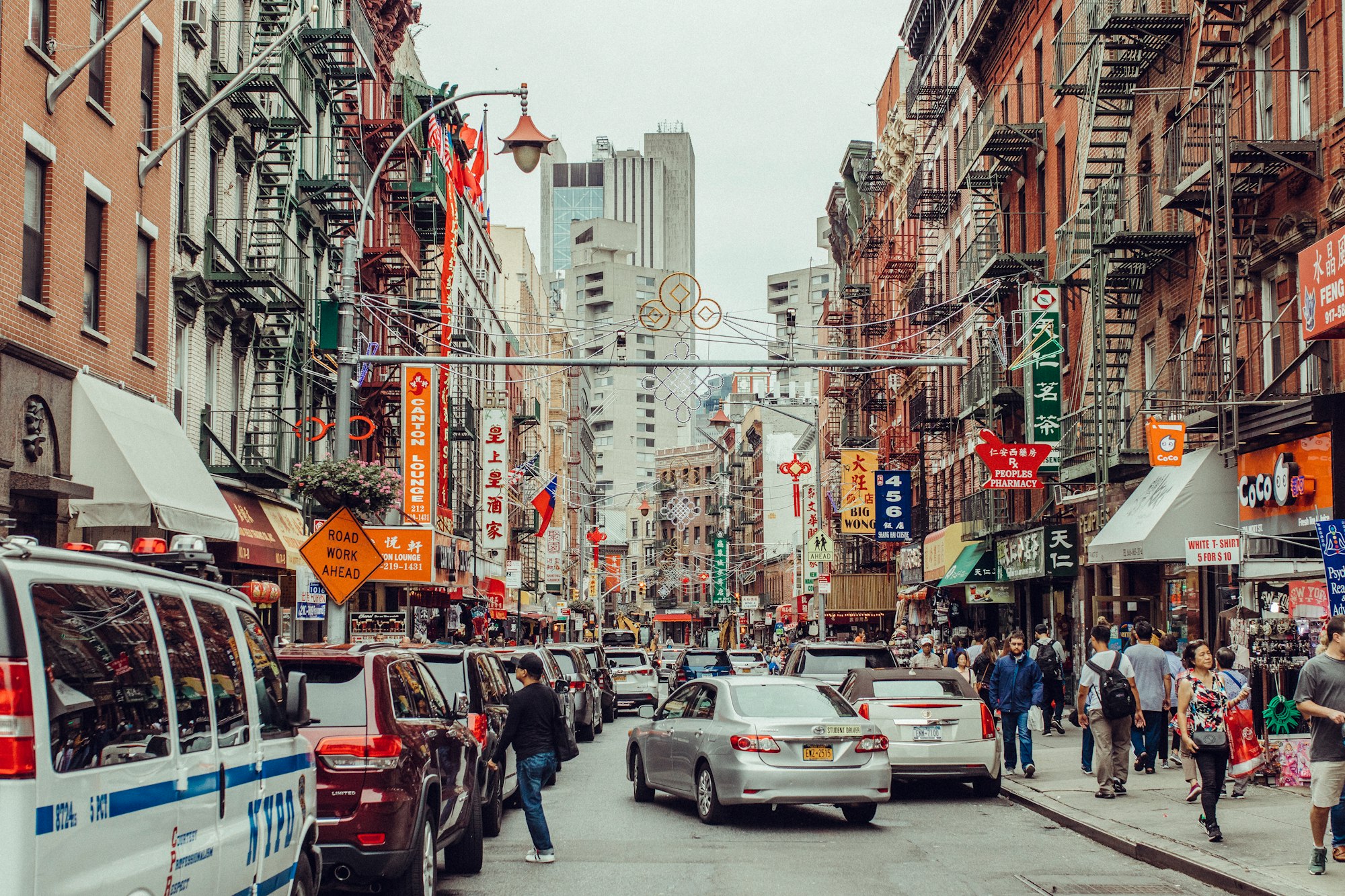
Between 2022-2024, FBI investigations revealed an extensive network of Chinese “overseas police stations” operating in major American cities. These weren’t merely consular services—they were sophisticated surveillance and intimidation operations targeting Chinese-Americans and dissidents.
Key discoveries include:
- Manhattan Chinatown: The first confirmed overseas Chinese police station in the U.S., operated from 2022 until FBI raids shut it down- Nationwide presence: Similar operations identified in Los Angeles, Houston, San Francisco, and smaller cities in Nebraska and Minnesota- Coordinated harassment: Stations were used to locate and intimidate Chinese dissidents, with operators deleting communications with Chinese Ministry of Public Security officials when investigations began
The geographic distribution is telling: every major Chinatown in America appears to have hosted some form of Chinese government surveillance infrastructure.
The Houston Consulate Incident: Destroying Evidence in Real-Time
In July 2020, dramatic footage showed Chinese consulate staff in Houston burning documents in trash cans hours after the U.S. ordered the facility’s closure. This wasn’t routine document disposal—it was the systematic destruction of evidence documenting what the State Department called “a center of malign activity.”
The Houston consulate was specifically accused of:
- Operating “Fox Hunt” teams to track and harass dissidents- Intimidating Chinese students studying in America- Coordinating with organized crime networks- Conducting intellectual property theft operations, particularly targeting COVID-19 research
The parallels to the recent SIM farm discovery are striking: both operations involved sophisticated communications infrastructure, coordination with criminal networks, and systematic targeting of both American systems and Chinese diaspora communities.
Cultural Organizations as Cover: The Freemason Connection
Perhaps most concerning is how Chinese intelligence operations have embedded within seemingly legitimate cultural organizations. Boston’s Chinatown, for example, hosts the Chinese Freemasons organization—the oldest Chinese civic organization in the United States, founded in the 1800s.
While this organization has legitimate historical roots in Chinese-American community building, the broader pattern raises questions about how cultural and community organizations might provide cover for surveillance activities. The Chinese Freemasons network extends globally, with chapters in major cities worldwide, creating a ready-made infrastructure for coordination and communication.
Privacy Implications: Your Communications Aren’t Safe
For ordinary Americans, these discoveries reveal several critical privacy threats:
1. Telecommunications Infrastructure Compromise
The SIM farm network’s ability to overwhelm cellular networks means your phone communications, emergency services access, and basic connectivity could be weaponized against you. If similar networks exist in other cities (which officials suggest is likely), your cellular privacy may already be compromised.
2. Diaspora Community Targeting
Chinese-Americans and other Asian-Americans face particular risks, as these operations specifically target diaspora communities for surveillance and intimidation. If you have Chinese heritage or connections, your communications and activities may be monitored through these networks.
3. Academic and Professional Surveillance
The Houston consulate case revealed systematic targeting of students, researchers, and professionals. If you work in technology, academia, or other sensitive fields, Chinese intelligence operations may be monitoring your activities and communications.
4. Criminal Network Integration
Perhaps most alarming, these operations don’t exist in isolation—they actively coordinate with criminal organizations including cartels and human trafficking rings. Your personal data and communications could be shared with criminal enterprises.
Protecting Your Privacy: What You Can Do
Given the scope of these operations, here are essential privacy protection steps:
Immediate Actions:
- Use encrypted communications apps like Signal or Wire instead of standard SMS/phone calls- Avoid public Wi-Fi in areas with large Chinese diaspora communities where surveillance infrastructure is more likely- Monitor your cell service for unusual behavior, dropped calls, or connectivity issues that might indicate nearby interference equipment- Be cautious with location data - turn off unnecessary location sharing and GPS tracking when possible
Long-term Privacy Strategy:
- Diversify your communications methods - don’t rely solely on cellular networks- Use VPN services from providers with no connections to Chinese companies- Regularly audit your digital footprint - be aware of what personal information is publicly available- Support privacy legislation that would require disclosure of foreign government surveillance infrastructure
The Systemic Threat: Why This Matters for Everyone
These discoveries represent more than isolated incidents—they reveal a systematic approach to compromising American privacy infrastructure. The pattern suggests:
- Long-term planning: Operations like the Boston Chinese Freemasons have existed for over a century, providing decades to establish deep community roots2. Multi-vector approach: Combining physical surveillance (police stations), digital infrastructure (SIM farms), and cultural infiltration (community organizations)3. Criminal network integration: Connecting state-sponsored surveillance with organized crime to create self-funding, resilient networks4. Geographic spread: Systematic targeting of every major American city with significant Chinese populations
Government Response: Too Little, Too Late?
While recent FBI and Secret Service actions have shut down specific operations, the broader network appears intact. Officials admit they believe similar SIM farm networks likely exist in other cities, and only one Chinese police station has resulted in successful prosecutions.
The challenge for privacy advocates is clear: government agencies are playing catch-up against sophisticated operations that have had decades to embed within American communities.
Looking Forward: What We Don’t Know Yet
As investigations continue, several critical questions remain:
- How many additional SIM farm networks exist across the United States?- What data has already been compromised through these surveillance operations?- How deeply embedded are Chinese intelligence operations within legitimate cultural and business organizations?- Are other foreign governments using similar tactics?
The forensic analysis of 100,000 SIM cards seized in the New York operation may provide answers, but the scope of the investigation suggests Americans are only now beginning to understand the true extent of foreign surveillance infrastructure operating on U.S. soil.
🎧 Related Podcast Episode
Conclusion: Privacy as National Security
The connection between secret police stations, consulate document burning, SIM farm networks, and embedded cultural organizations reveals a sobering truth: your personal privacy and communications security are now matters of national security.
These operations don’t just threaten Chinese-Americans or government officials—they compromise the communications infrastructure and community organizations that all Americans rely on. The integration with criminal networks means your personal data isn’t just being surveilled by foreign governments; it’s potentially being monetized by organized crime.
For privacy advocates, this moment represents both a crisis and an opportunity. The crisis is clear: decades of foreign surveillance infrastructure operating undetected on American soil. The opportunity lies in using these revelations to build broader support for comprehensive privacy protection legislation and infrastructure security measures.
The next time you send a text message, make a phone call, or participate in a community organization, remember: the networks you trust with your communications and personal connections may not be as secure—or as American—as you think.
Your privacy isn’t just personal—it’s a matter of national security. And right now, both are under systematic attack.
This investigation will be updated as more information emerges from ongoing federal investigations into foreign surveillance infrastructure operating in the United States.