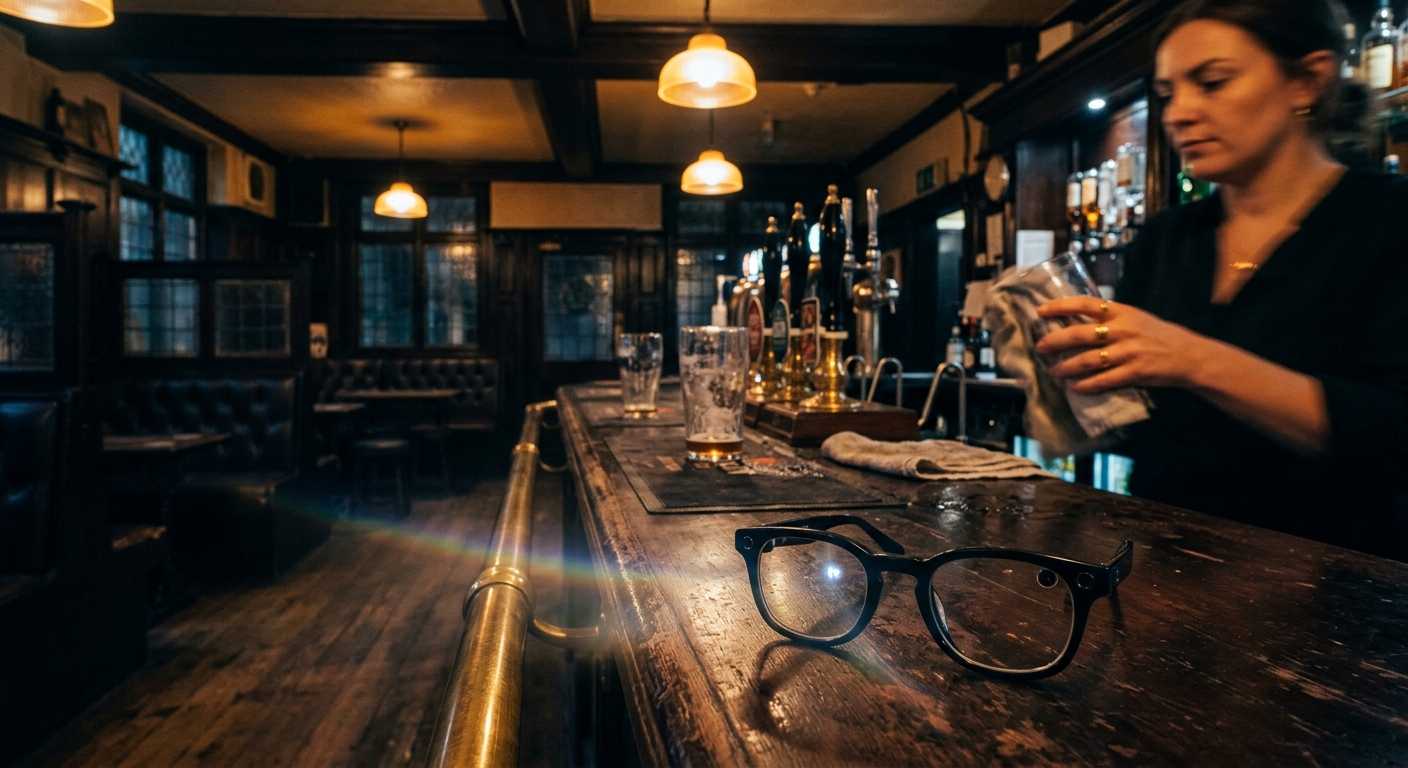
J D Wetherspoon has told customers across more than 800 UK pubs to switch off the cameras on Meta smart glasses. The chain’s framing is direct: the devices facilitate “surreptitious surveillance.”
The policy is narrower than the headlines. You may still wear Ray-Ban Meta glasses in a Wetherspoons. You are expected not to record with them. The company likens it to its existing rule against playing video audio out loud — an intrusion into other patrons’ comfort rather than a technology ban.
It is not alone. Soho House, ATG Theatres, and London restaurateur Jeremy King have all drawn lines around filming customers and staff without permission. This is becoming a sector position rather than one chain’s quirk.
Why the glasses are different from a phone
The reflexive objection is that everyone already carries a camera. True, and irrelevant, because of one property: phones announce themselves.
Holding up a phone is a legible social act. Everyone in range can see it, register that recording may be happening, and adjust — move, object, stop talking. That visibility is the mechanism by which the social norm has functioned for twenty years. It is imperfect and it is real.
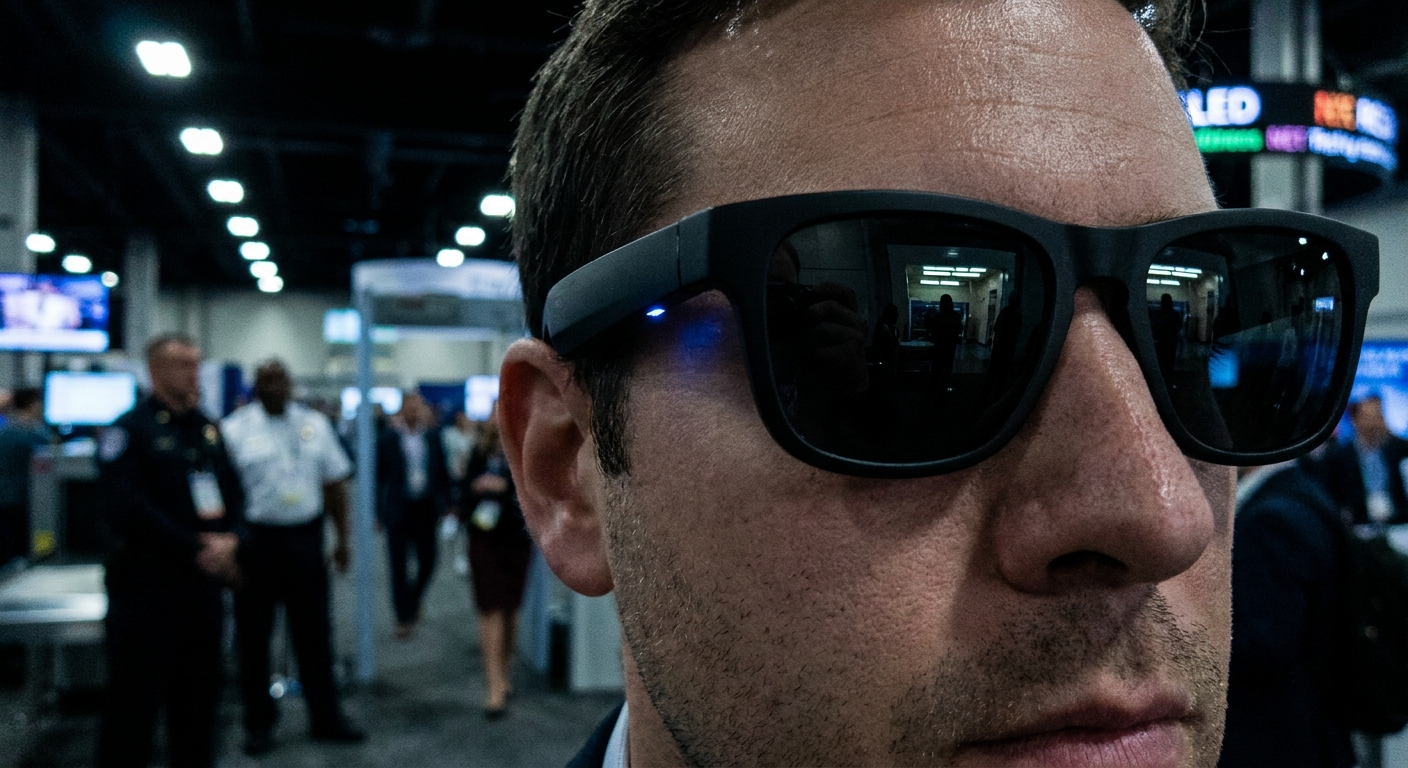
Smart glasses remove it. The device is worn on the face in the ordinary position of eyewear. The capture indicator is a small LED that is easy to miss in a dim pub, easy to obscure, and — as has been repeatedly demonstrated — defeatable. The wearer is looking at you either way. There is no gesture that distinguishes looking from recording.
That is a change in kind. The subject of the recording loses the ability to know they are a subject, which means they lose the ability to object, which means consent has been removed from the interaction entirely.
The staff angle is the real one
Public discussion focuses on customers. Wetherspoons’ problem is its employees.
Bar and hospitality staff cannot leave. They are at a fixed station, facing the room, for an entire shift, and their job requires them to remain pleasant to whoever is in front of them. A customer wearing a recording device is not a passing encounter for a bartender; it is a workplace condition.
This is why the charity Refuge has warned specifically about these devices being used to stalk, surveil, and control, with particular reference to risks faced by women and girls in public spaces. The threat model is not tourists filming a nice pint. It is someone recording a specific person repeatedly, covertly, with a device that gives no signal, in a venue that person cannot avoid because they work there.
A pub is also a place where people arrive with a reasonable expectation of relative obscurity: meeting someone they should not be meeting, drinking more than they would like recorded, having the argument, crying. Wetherspoons in particular is a large, cheap, ubiquitous, and heavily used social infrastructure. Making it a recorded environment changes what it is for.
The enforceability problem, stated plainly
The policy is unenforceable and everyone involved knows it.
There is no way for staff to tell whether a pair of glasses is recording. That is the entire complaint. A rule that requires detecting an undetectable act is a norm, not a control.
Which is the point. Wetherspoons is not deploying a countermeasure; it is stating a standard. Norms operate on the large majority of people who are not trying to do harm and who will comply once told what the expectation is. They do not stop the person who came in specifically to record someone — nothing short of confiscation would.
The value is elsewhere: it establishes that recording strangers without their knowledge is not socially acceptable in this space, which gives staff a basis to intervene, gives customers a basis to complain, and — importantly — gives the objection a name. Before this, a person uncomfortable with a stranger’s glasses had no vocabulary and no backing. Now they can point at a policy.
Google Glass failed largely on norms rather than technology. “Glasshole” was a more effective regulatory instrument than any statute. Meta’s product has succeeded where Glass failed because it looks normal, which is precisely what makes the norm harder to establish this time.
Where the law actually sits
In the UK, personal recording in a public place is largely outside the GDPR by way of the household exemption — processing for purely personal or household activity is not covered. That exemption is narrower than people assume, and the ICO has been clear that it does not extend to systematic recording of others, and that anyone whose recording goes beyond personal use can find themselves a data controller with full obligations attached.
A private venue can set conditions of entry regardless. That is a property right, not a data protection one, and it is the sturdier basis here.
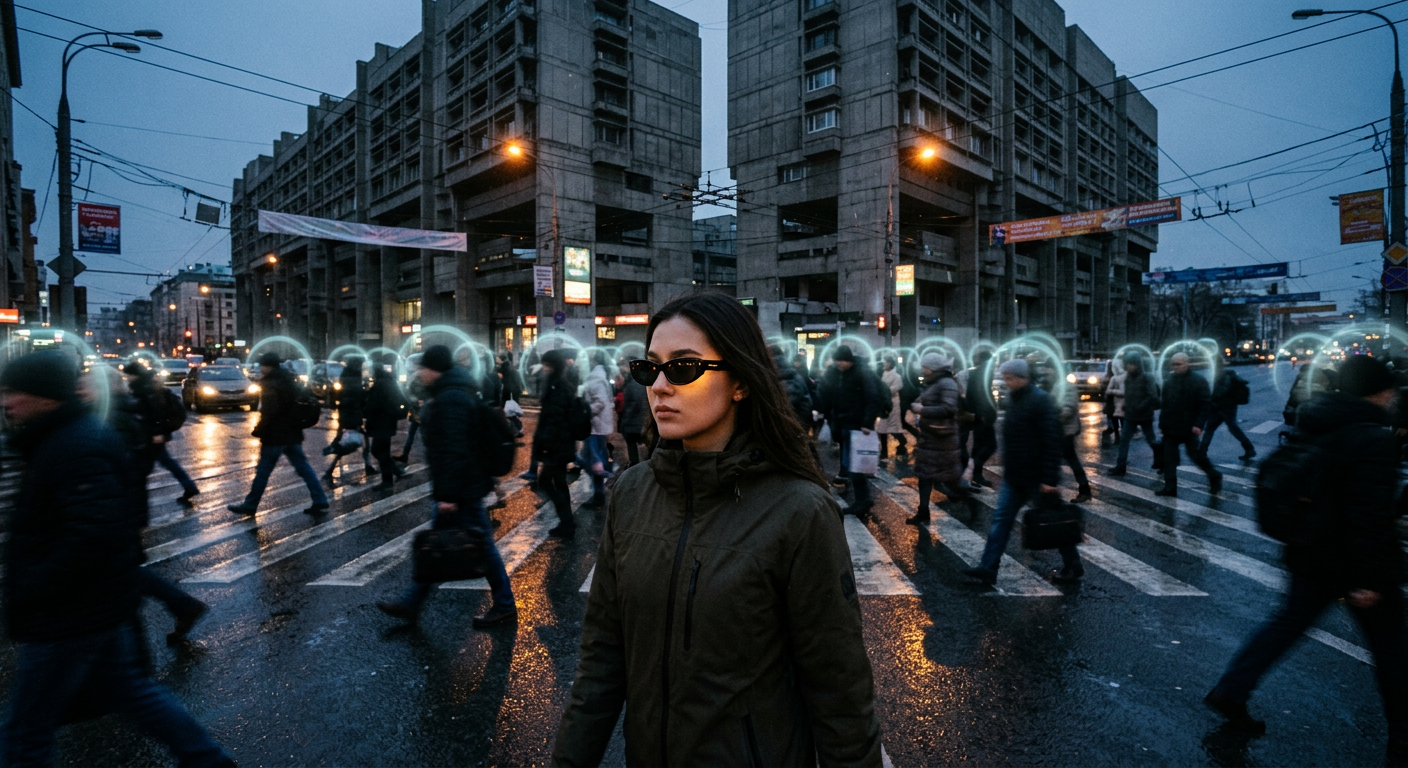
The provision that is not being discussed enough is facial recognition. These devices have been demonstrated running live face-matching against public data sources, turning a stranger in a bar into a name, an address, and an employer within seconds. That crosses from recording into biometric identification, where the household exemption is far less comfortable and where — in the EU — the AI Act’s prohibition on untargeted scraping of facial images to build recognition databases directly applies.
The pub ban is about filming. The thing to watch is identification.
What it means in practice
Venues are becoming the regulator, because nobody else is. No UK or US law meaningfully addresses wearable cameras in semi-public private spaces. Property owners setting conditions of entry is what is available.
Unenforceable norms still shift behaviour. Most people are not adversaries. Telling them the expectation changes what most people do.
The capture indicator is the whole trust model, and it is inadequate. A small LED that can be covered is not informed consent for the people being recorded. If manufacturers want these devices socially accepted, the signal needs to be unmissable and tamper-evident — and it is not, because an unmissable signal makes the product less appealing to buy.
Watch the identification layer. Recording is a manners problem. Real-time face identification of strangers is a different category entirely, and it is already technically demonstrated.
What you can do
-
If you wear them, treat the camera as off by default indoors. Especially where staff are working. They cannot leave and cannot tell.
-
If you are uncomfortable, say so — you now have something to point at. In a Wetherspoons, Soho House, or ATG venue, the policy exists and staff can be asked to enforce it.
-
Assume any conversation in a public venue may be recorded. This was already true with phones. The glasses remove your ability to notice, so the assumption has to become the default rather than the exception.
-
If you are a venue or an employer, write it down. Staff cannot enforce a standard that does not exist on paper, and workers exposed to covert recording all shift have a legitimate claim to one.
-
Support signalling requirements over device bans. Banning wearables is neither achievable nor, on its own, desirable. Requiring a capture indicator that cannot be defeated is achievable, and it is the regulation worth asking for.