Part of our Global Banking Surveillance Series | *Read the Australia investigation *→
What’s Actually Happening
Social media has been buzzing with claims that UK banks are “monitoring your carbon footprint” and linking it to mandatory digital IDs. But what’s the reality behind these headlines? Let’s examine the facts.
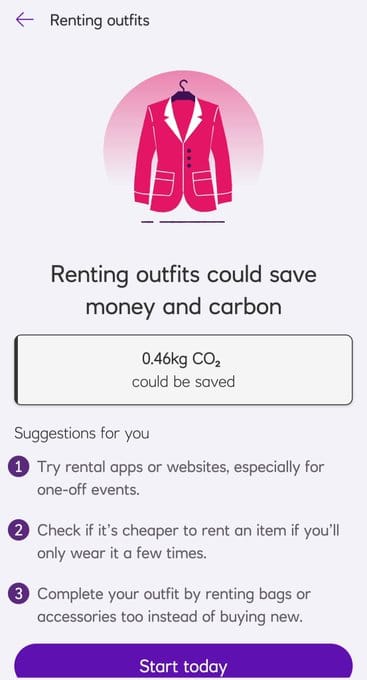
The NatWest Carbon Footprint Tracker: The Real Story
When It Launched
NatWest introduced its Carbon Footprint Tracker in November 2021 — nearly four years ago. This isn’t a sudden new development, though it has recently gained renewed attention on social media.
Australian Banks and Carbon Tracking: What You Need to Know
How It Actually Works
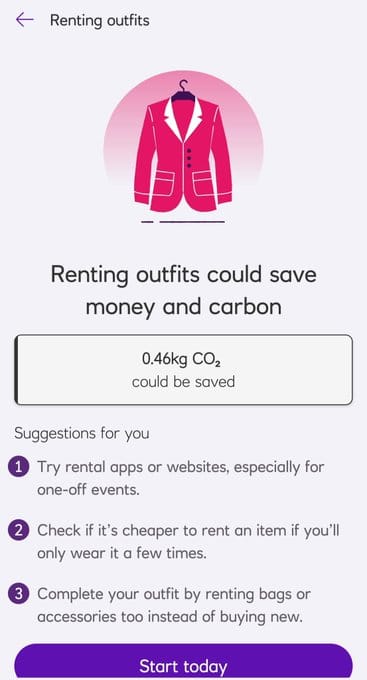
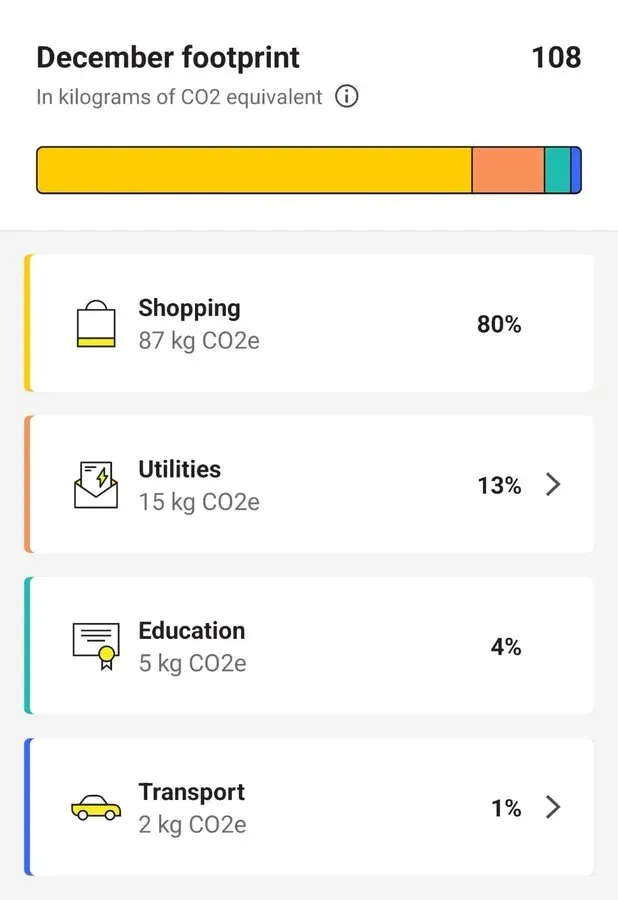
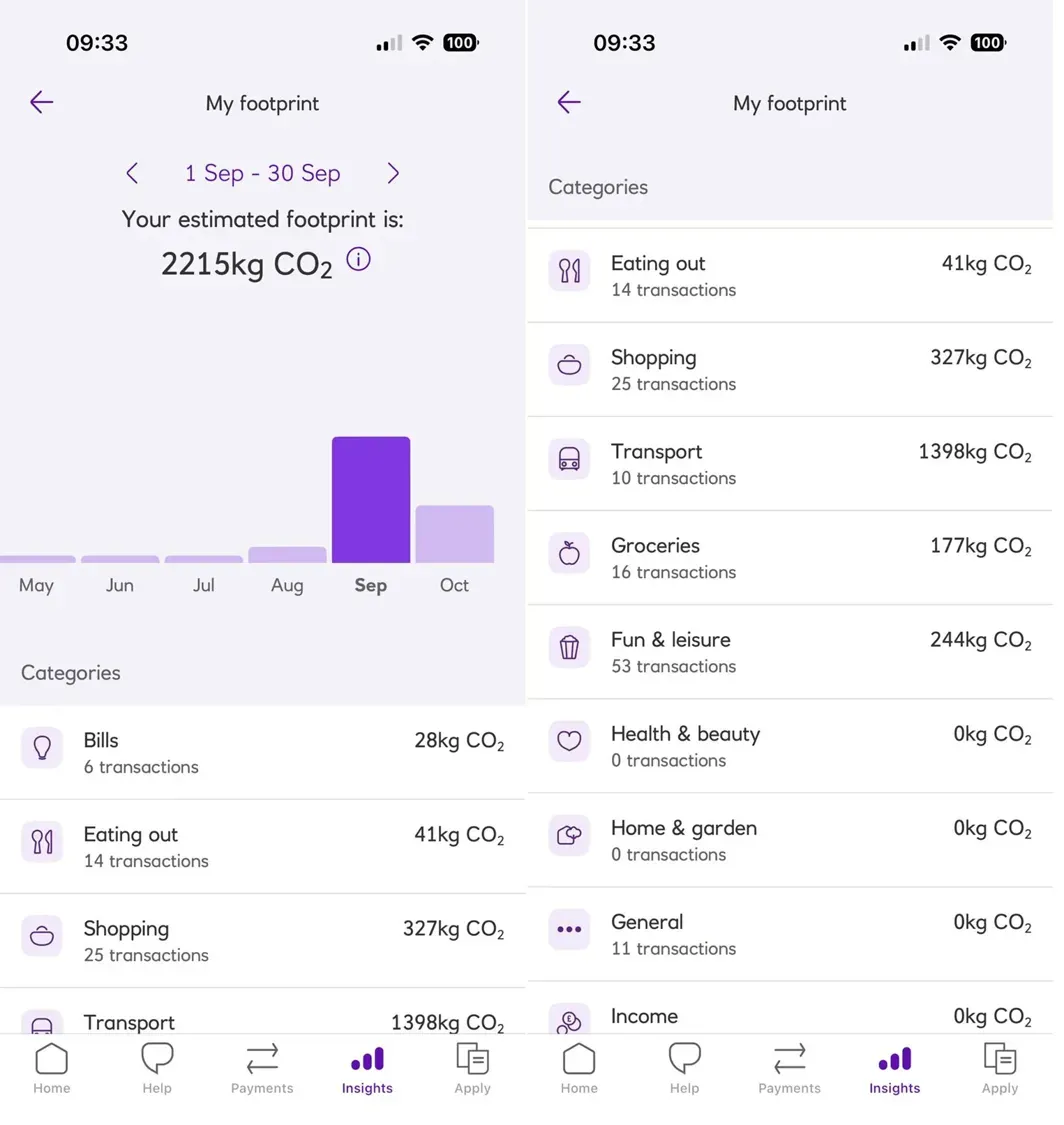
The tracker analyzes your spending patterns and estimates the carbon emissions associated with different purchase categories:
- Transport: 1,398 kg CO₂ (largest contributor)- Shopping: 327 kg CO₂- Fun & leisure: 244 kg CO₂- Groceries: 177 kg CO₂- Eating out: 41 kg CO₂
The system uses emission factors developed by Cogo, a New Zealand-based carbon tracking firm. For example, spending £15 on a dress at a high-street retailer equates to approximately 16kg of CO₂, while the same amount spent at a charity shop would be around 4kg CO₂.
The Critical Detail: It’s Optional
This is perhaps the most important fact that gets lost in viral posts:
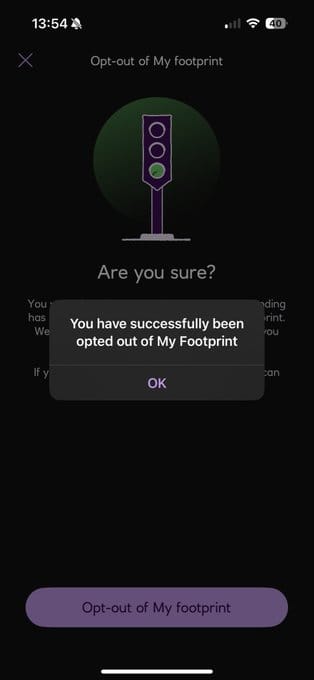
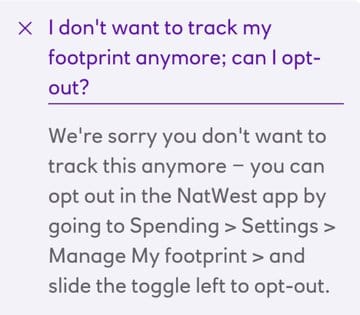
- The Carbon Footprint Tracker is completely opt-in- Customers must actively choose to enable it- You can opt out at any time by going to: Spending > Settings > Manage My footprint > toggle off- Your data is anonymized and stored for no longer than one year- Data is never shared with anyone except NatWest for the tracker’s purpose
According to NatWest’s own statements: “If a customer opts-in, they can then opt-out at any point in settings in the Insights section of the app.”
User Adoption
Approximately 300,000 NatWest customers actively use the carbon tracker, with about half checking it regularly. That’s roughly 3.75% of NatWest’s 8 million mobile app users — hardly a mandatory surveillance system.
Similar Programs at Other Banks
NatWest isn’t alone. Santander also uses Cogo’s carbon tracking software. TSB initially trialed the feature but discontinued it in July 2023. This type of feature has become increasingly common in the banking sector as institutions respond to customer interest in sustainability.
The UK Digital ID Scheme: A Separate Issue
What the Government Has Actually Proposed
In September 2025, Prime Minister Keir Starmer announced plans for a digital ID scheme, often called the “Brit Card.” Here are the actual details:
- Purpose: Primarily for verifying right to work in the UK- Mandatory for: Employment verification only- Voluntary for: Everything else- Timeline: Consultation phase now, implementation years away- Storage: On individual phones via GOV.UK Wallet app- No centralized database: Data stored on users’ devices- Contents: Name, date of birth, nationality/residency status, and photo
🚨UK BANK STARTS MONITORING CARBON FOOTPRINT OF WHAT YOU BUY
NatWest have updated their banking app so it will now monitor your carbon footprint based upon what you purchase
This will soon be tagged to your Digital I.D no doubt
The UK is going insane pic.twitter.com/418xebX5Rr— Basil the Great (@Basil_TGMD) October 20, 2025
Public Reception
The digital ID proposal has proven controversial:
- A petition against it gathered millions of signatures- Only about 25% of Britons support the mandatory aspect- Civil liberties groups have raised privacy concerns- Others point to successful implementations in Estonia, Denmark, and Australia
Important Context
The UK attempted to introduce national ID cards under Tony Blair in the 2000s but abandoned the plan due to civil liberty concerns. This new digital version is distinct from physical ID cards but faces similar opposition.
The Key Question: Are They Connected?
No evidence currently exists linking the carbon tracker to digital ID systems.
Here’s what we know:
- The carbon tracker is a banking app feature operated by NatWest and Cogo2. The digital ID is a government initiative for right-to-work verification3. They serve completely different purposes4. They’re operated by different entities5. No official statements or documentation suggest any integration plans
The claim that the carbon tracker “will soon be tagged to your Digital I.D” is speculation without factual basis.
But Should We Be Concerned About Future Integration?
While there’s no current connection, the concern isn’t entirely unreasonable when you understand the broader digital ID landscape:
The UK’s Digital ID Infrastructure Is Expanding
The UK government’s “Brit Card” proposal represents a significant expansion of digital surveillance infrastructure. As detailed in our comprehensive analysis at UK’s Mandatory “Brit Card” Digital ID: Privacy and Civil Liberty Concerns, the system will be:
- Mandatory for all working-age adults by end of this Parliament- Linked to a central government database for right-to-work verification- Required for employment and potentially housing- Stored on phones via GOV.UK Wallet
The Pattern of “Function Creep”
History shows that surveillance systems rarely remain limited to their original stated purpose. Civil liberties groups warn about “function creep”—where systems expand beyond initial parameters. What starts as employment verification could eventually extend to:
- Financial services access- Age verification for online content- Healthcare access- Government benefits- Travel and transport
Global Digital ID Trends Point to Integration
As documented in our Global Digital ID Systems Status Report 2025, over 100 countries have implemented or are developing national digital identity systems. Many of these systems are being integrated with:
- Financial services- Social credit systems- Health records- Retail transactions- Carbon tracking initiatives (in some jurisdictions)
For a deeper understanding of how different countries are implementing these systems, see our Policy Briefing: The Global Digital Identity Landscape.
Carbon Tracking in Financial Services: Compliance, Privacy, and Digital Identity Convergence
The Real Concern: Data Integration Without Consent
The worry isn’t necessarily about an official announcement linking carbon tracking to digital ID. The concern is about:
- Backend data sharing between systems without public disclosure2. API connections that could enable cross-referencing3. Future policy changes that mandate integration4. Private sector cooperation with government data initiatives5. Lack of legal protections preventing such integration
As we’ve seen with age verification systems being used as gateways to digital ID requirements, what’s sold as one thing often becomes another.
NatWest’s Government Ownership
It’s worth noting that NatWest is 38.6% owned by UK taxpayers following the 2008 financial crisis. This government stake could facilitate pressure for data sharing in ways that might not occur with fully private banks.
So, Are Carbon Trackers and Digital IDs Connected?
Currently: No direct connection exists.
In the future: The infrastructure is being built that could enable such integration. Whether it happens depends on:
- Public resistance and awareness- Legal protections for privacy- Transparency requirements- Democratic oversight- Corporate willingness to resist government pressure
This is why vigilance matters. The time to establish privacy protections and data usage limits is before systems are connected, not after.
The Broader Context
Why the Confusion?
Several factors contribute to the mixing of these separate issues:
- Timing: Both are active topics in UK news2. Privacy concerns: Both raise data privacy questions3. Government involvement: NatWest is 38.6% taxpayer-owned following the 2008 financial crisis4. Sustainability initiatives: Both relate to tracking and data collection5. Social media amplification: Viral posts often conflate unrelated topics
Legitimate Concerns vs. Misinformation
There are legitimate questions to ask about both systems:
Carbon Tracker Concerns:
- Data privacy and security- Whether banks should be involved in behavior modification- The accuracy of carbon estimates- Potential for mission creep
Digital ID Concerns:
- Mass surveillance potential- Data breach risks- Digital exclusion of vulnerable populations- Function creep beyond employment verification- Government overreach
However, these concerns should be addressed based on facts, not speculation about connections that don’t exist.
What Happened with the Meat Recommendations?
One aspect of the carbon tracker that generated controversy was dietary recommendations. The app initially suggested customers reduce meat consumption and switch to plant-based alternatives, claiming this could reduce individual carbon footprints by up to 12kg for red meat and 6kg for dairy milk.
The National Farmers’ Union (NFU) challenged these recommendations as “oversimplified” and not accounting for British agriculture’s sustainability practices. After months of discussions, NatWest agreed to modify the wording and add recommendations to buy local British produce.
David Barton, chair of the NFU Livestock Board, stated: “We understand that the NatWest app is primarily focusing on greenhouse gas emissions, but the reality is that when making diet-related recommendations, other factors such as nutrition, environment, and biodiversity must be presented.”
The Bottom Line
What’s True:
- NatWest offers an optional carbon tracking feature- The UK government is developing a digital ID for right-to-work checks- Both raise legitimate privacy and freedom questions- Approximately 300,000 people use the NatWest tracker voluntarily
What’s Not True:
- The carbon tracker is not mandatory- There’s no evidence it will be linked to digital IDs- This is not a new 2025 development (it launched in 2021)- The UK is not “going insane” — these are policy discussions happening in many countries
Your Privacy and Choices
If you’re a NatWest customer and don’t want the carbon tracker:
- Open your NatWest app2. Go to Spending > Settings3. Select Manage My footprint4. Toggle it off
The feature will be completely disabled, and your data will not be analyzed for carbon footprint purposes.
Understanding the Broader Digital Surveillance Context
While the carbon tracker and digital ID aren’t currently connected, they’re part of a larger pattern of digital surveillance and control systems being implemented globally.
The UK’s Digital Surveillance Expansion
The UK is rapidly building a comprehensive digital surveillance infrastructure that includes:
1. Mandatory Digital ID (The “Brit Card”)
- Required for employment verification- Central database of all workers- Biometric components- Full details on implementation and privacy concerns
2. Online Safety Act Age Verification
- Requires government ID or biometric scans to access adult content- Creates databases linking real identities to online activity- How Reddit and other platforms are implementing this
3. Financial Services Monitoring
- Banks analyzing transaction data (like the carbon tracker)- Integration with Know Your Customer (KYC) systems- Potential for financial exclusion based on behavior
4. Smart City and IoT Integration
- Growing network of surveillance cameras- License plate recognition- Public transport tracking
How This Fits the Global Pattern
The UK isn’t alone. As documented in The Global Digital Crackdown: How Governments Are Dismantling Online Freedom in 2025, countries worldwide are implementing similar systems:
Australia:
- Mandatory age verification requiring government ID for all users- Comprehensive Digital ID system (full analysis here)- Carbon tracking at major banks (see our separate article on Australian banks)
Mexico:
- Mandatory biometric digital ID including iris scans and fingerprints- Required from birth- Full details on Mexico’s unprecedented system
Russia:
- State-linked digital ID through Max app- Pre-installed on all smartphones- How Russia is copying China’s surveillance model
European Union:
- Continent-wide age verification system- Digital Identity Wallet- How five EU countries are following the UK’s playbook
The Convergence Concern
What makes these systems concerning isn’t any single element—it’s how they converge:
- Digital ID → Authenticates who you are2. Carbon tracking → Monitors what you buy3. Age verification → Tracks what you access online4. Financial systems → Controls your ability to transact5. Social media monitoring → Surveils what you say
When these systems share data or become interoperable, they create:
- Complete digital profiles of every citizen- Real-time monitoring of behavior and location- Social credit systems linking behavior to access- Financial control mechanisms enabling exclusion- Chilling effects on free speech and dissent
Why “Privacy by Design” Matters Now
The infrastructure for comprehensive surveillance is being built piece by piece. Each system is introduced with reasonable-sounding justifications:
- Digital ID for “illegal immigration”- Age verification for “child safety”- Carbon tracking for “environmental awareness”- Financial monitoring for “anti-money laundering”
But once built, these systems can be:
- Expanded beyond their original purpose- Connected to create comprehensive profiles- Weaponized by future governments- Hacked by malicious actors- Abused by those with access
This is why establishing strong privacy protections, data minimization requirements, and interoperability restrictions before these systems are fully implemented is critical.
🎧 Related Podcast Episode
Conclusion
Conclusion
In an era of rapid technological change, it’s natural to be concerned about privacy and government overreach. However, effective advocacy requires accurate information. The NatWest carbon tracker is an optional banking feature that has existed since 2021. The UK digital ID is a separate government proposal primarily focused on employment verification.
What We Know:
- Carbon trackers and digital IDs are currently separate systems- No official connection exists between them- Both raise legitimate privacy concerns independently- The infrastructure for future integration is being built
What We Should Watch:
- Backend data sharing arrangements- Changes to privacy laws- Expansion of mandatory digital ID requirements- Integration of systems without public notice- Precedents set in other countries
While both deserve scrutiny and public debate, they should be evaluated on their actual merits and risks—not on speculative connections that don’t exist. However, the broader context of global digital surveillance expansion documented across our coverage of digital ID systems worldwide shows why concerns about future integration aren’t paranoid—they’re prudent.
The Real Battle:
This isn’t about a single carbon tracker or digital ID system. It’s about whether Western democracies will:
- Preserve privacy as a fundamental right2. Require explicit consent for data collection3. Limit government surveillance powers4. Maintain democratic oversight of technology5. Protect citizens from corporate-government data sharing
What You Can Do:
- Stay Informed: Follow developments in digital ID, age verification, and surveillance laws2. Use Your Voice: Sign petitions, contact MPs, participate in consultations3. Protect Your Privacy: Use privacy-respecting services, opt out where possible4. Support Alternatives: Choose banks and services with strong privacy commitments5. Demand Transparency: Require clear explanations of how your data is used6. Build Community: Connect with others concerned about digital rights
For comprehensive coverage of digital privacy issues, visit:
- MyPrivacy.blog - Digital privacy news and analysis- ComplianceHub.wiki - Policy and regulatory analysis
The surveillance infrastructure is being built piece by piece. The question isn’t whether we should be concerned—it’s whether we’ll act before it’s too late to protect our fundamental freedoms.
This article is based on official statements from NatWest, UK government publications, and verified news reports from multiple sources. Last updated: October 2025.
Related Reading: