From Wellington to the World: A New Zealand Fintech’s Global Mission
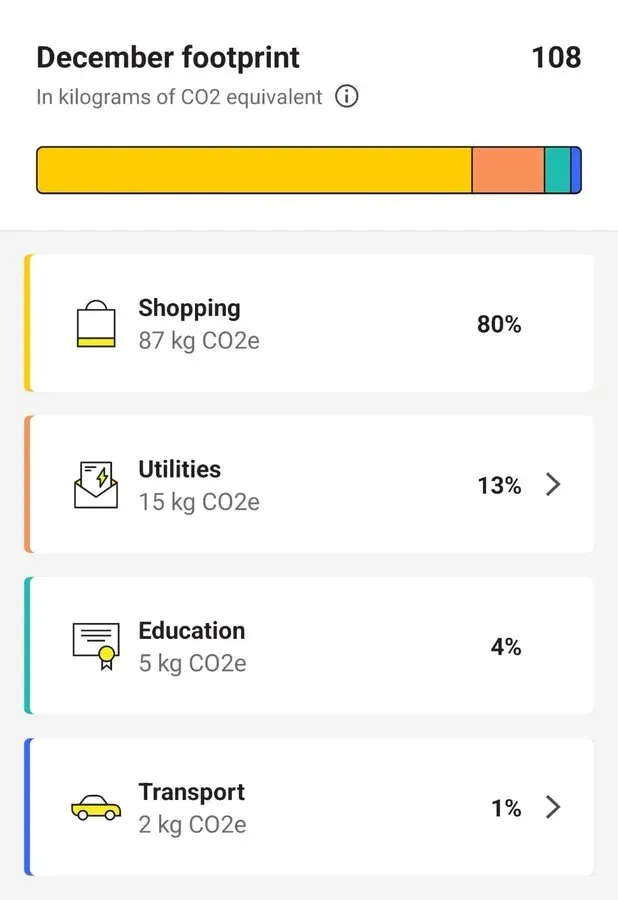
The banking industry is experiencing a quiet revolution in sustainability, led by an unlikely pioneer from New Zealand. Cogo, a Wellington-based carbon footprint management company founded in 2016, has partnered with over 20 banks globally, enabling millions of customers to track the environmental impact of their daily spending through their banking apps.
Australian Banks and Carbon Tracking: What You Need to Know
What began as an innovative fintech startup has grown into a global movement, with Cogo now employing over 100 people and operating across 12 countries in Europe and Australasia, including the UK, Netherlands, New Zealand, Australia, Japan, Singapore, and Hong Kong. The company has raised over $12.5 million in funding and is on track to double its banking partnerships within the next year.
NatWest Carbon Tracker and UK Digital ID: Separating Fact from Fiction
The UK Banking Sector: Leading the Charge
NatWest Group: The First Major Partnership
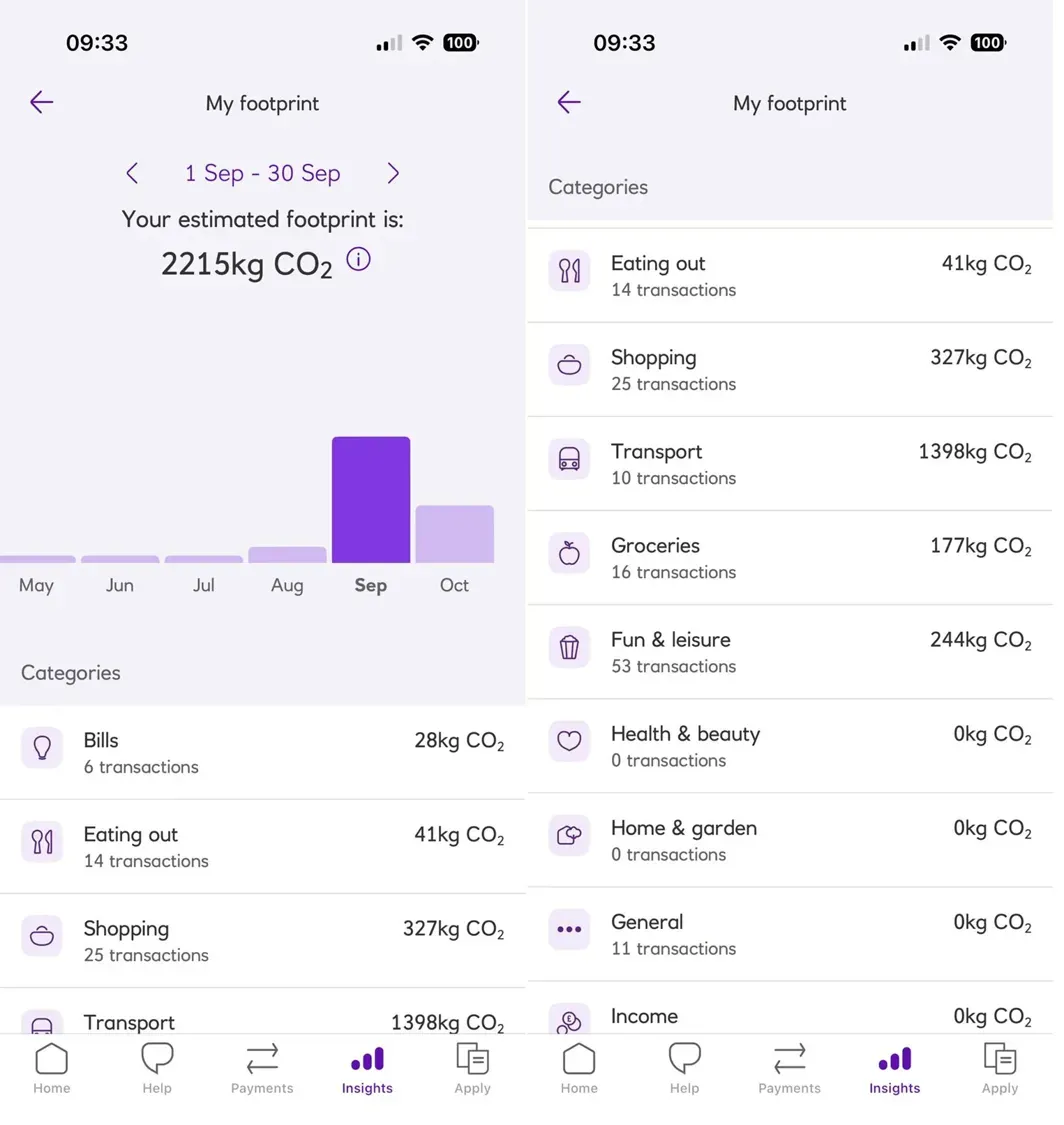
In November 2021, NatWest became Cogo’s first major UK banking partner, launching an optional carbon footprint tracker that has since reached 8 million customers. The feature, integrated into NatWest’s mobile banking app via Amazon Web Services (AWS), was developed with a tight six-month timeline to debut before the UN Climate Change Conference (COP26) in Glasgow.
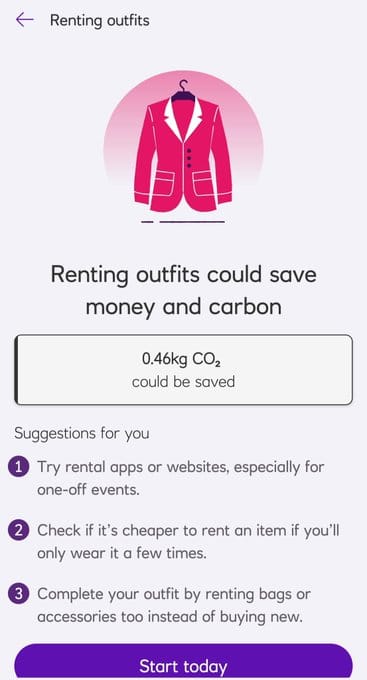
The tracker analyzes customer spending patterns across categories such as transport, shopping, groceries, and leisure, providing personalized insights and recommendations. For instance, spending £15 on a dress at a high-street retailer equates to approximately 16kg of CO₂, while the same amount at a charity shop generates around 4kg CO₂.
Critical Detail: The NatWest carbon tracker is entirely optional and opt-in. Customers must actively choose to enable the feature, and can disable it at any time. This addresses privacy concerns while empowering those interested in sustainability to track their impact.
The NatWest Family of Banks
The carbon tracking feature has been rolled out across NatWest Group’s portfolio:
- NatWest- Royal Bank of Scotland (RBS)- Coutts- Ulster Bank
Santander UK: Following Suit
Santander UK has also partnered with Cogo to offer carbon footprint tracking to its customers through both its website and mobile app. This allows Santander’s customer base to measure their carbon emissions based on spending habits and receive personalized recommendations for reducing their environmental impact.
TSB: A Brief Experiment
TSB initially trialed Cogo’s carbon tracking feature but discontinued it in July 2023. The reasons for discontinuation have not been publicly disclosed, making it one of the few banks to reverse course on this sustainability initiative.
Tandem Bank: The Challenger Approach
UK challenger bank Tandem partnered with Cogo in November 2022, initially featuring the carbon footprint management app on Tandem’s green living hub. Plans were announced to integrate the technology directly into the Tandem banking app in 2023, providing customers with tools to “measure, understand and reduce” their carbon footprint.
The Cumberland Building Society
The Cumberland, a UK building society, has also integrated Cogo’s technology, encouraging its 70,000 current account customers to download the Cogo app and link their Cumberland account for comprehensive carbon tracking across financial transactions, investments, and everyday purchases.
NewDay (Bip Credit Card)
Consumer credit provider NewDay has partnered with Cogo to add carbon footprint insights to its Bip digital credit product, expanding the reach of carbon tracking beyond traditional banking relationships into the credit card sector.
Australia: Banking Giants Embrace Carbon Consciousness
Commonwealth Bank of Australia (CommBank): A Major Milestone
In October 2022, Commonwealth Bank (CBA) became the first major Australian bank to implement transaction-based carbon tracking, partnering with Cogo to roll out the feature to select customers initially, with plans for full availability by the following year.
The CommBank implementation allows customers to:
- View their carbon footprint through their online banking app- Purchase carbon credits to offset excess emissions- Receive notifications when individual purchases exceed “acceptable” carbon averages- Access increasingly granular data, eventually broken down to individual transactions
CBA calculates that the national average carbon emission in Australia is 1,280 kg, while a sustainable figure is around 200 kg. Director Angus Sullivan emphasized that the bank’s “data capability will provide greater personalization for customers overtime, including more granular information about their carbon footprint with the option to offset individual transactions.”
Carbon Tracking in Financial Services: Compliance, Privacy, and Digital Identity Convergence
Westpac: Australia’s Banking Leader
Westpac, one of Australia’s “Big Four” banks, has implemented Cogo’s carbon tracking solution across its retail banking platform, providing millions of Australian customers with the ability to monitor and manage their environmental impact.
Suncorp Bank: Regional Banking Pioneer
Suncorp Bank, a major Australian financial services provider, has also partnered with Cogo to offer carbon footprint tracking to its customer base, extending the reach of sustainable banking across regional Australia.
ANZ: Early Adopter
Australia and New Zealand Banking Group (ANZ) was mentioned as an early implementer of carbon tracking features, though specific details about their current partnership status with Cogo remain limited.
Data Action Partnership: Scaling Across Australian Financial Institutions
In 2024, Cogo announced a strategic partnership with Data Action (DA), a specialist solutions and services provider to the alternative banking industry. This partnership aims to bring climate-conscious banking solutions to more financial institutions across Australia, particularly targeting smaller banks and credit unions that might not have the resources to develop these features independently.
Europe: A Continental Shift Toward Sustainability
ING Netherlands: Comprehensive Rollout
In June 2024, ING Netherlands made history by rolling out carbon footprint tracking to all its private customers—approximately 8 million people—making it one of the largest implementations of consumer carbon tracking in European banking.
The “Footprint Insight” feature:
- Calculates estimated CO₂ emissions based on monthly expenditure across various categories- Applies emission factors specific to the Netherlands- Provides tips to reduce emissions- Offers comparisons with Dutch national averages- Is entirely optional and easy to activate or deactivate
The rollout followed a successful six-month pilot with 500,000 customers between July 2022 and early 2023. Customer surveys revealed that almost half knew which purchases had larger climate impacts, and more than half wanted to reduce their footprint and be informed about it.
Léon Wijnands, Head of Sustainability at ING Nederland, stated: “We have tested Footprint Insight extensively and listened to customer responses. The roll-out to all our private customers is an important next step in the fight against climate change together with our customers.”
Rabobank Netherlands: Pioneer with Alternative Technology
While most banks have partnered with Cogo, Rabobank took a different approach. In April 2022, Rabobank became the first Dutch bank to provide customers with carbon emissions insights, but chose to work with ecolytiq, a German green fintech company, rather than Cogo.
Rabobank’s “Carbon Insights” feature:
- Launched initially to 1,000 pilot customers- Became available to all 8 million private customers by summer 2022- Uses the Open Payment Standard supported by the EU-Open Sustainability Registry (EU-OSR) for transparency- Divides spending into categories: groceries, transportation, clothing, and vacations- Is entirely optional and free for customers
Barbara Baarsma, CEO of Rabo Carbon Bank, emphasized: “With Carbon Insights we make consumers part of the solution, just like we do with sustainable farmers who can earn carbon credits through carbon storage in their farmland.”
OTP Bank Hungary: Central European Pioneer
OTP Bank, based in Hungary with 16.3 million customers across 11 markets, has become a remarkable success story for carbon tracking in Central Europe. After being selected from 260 applicants to OTP’s Startup Booster Program in 2022, Cogo launched two pilot programs:
- A retail carbon tracker for up to 10,000 customers2. An SME carbon management solution
The results have been extraordinary: In its first six months, OTP’s carbon tracker received over 600,000 visits, demonstrating significant customer engagement. Emma Kisby, CEO of Cogo EMEA, noted: “We are really encouraged by the engagement from OTP’s customers, demonstrating that the Hungarian market has a real appetite for being able to live more sustainably.”
Asia-Pacific: Emerging Markets and Innovation
Bank of China (Hong Kong): Entering the Greater China Market
In June 2024, Bank of China (Hong Kong) launched Cogo’s carbon tracking solution in its Personal Finance Management offering, marking Cogo’s entry into the Greater China market. This represents a significant milestone, as Hong Kong serves as a gateway to mainland China’s massive financial services market.
Ben Gleisner, Cogo’s Founder and CEO, stated: “We’re excited to be working with Bank of China (Hong Kong) to offer their customers cutting-edge solutions that help them to take meaningful action on their desire to reduce their impact on the planet.”
The technology uses Hong Kong-specific emissions data and carbon models to provide accurate, localized insights to customers.
Kiwibank New Zealand: Bringing It Home
Appropriately, Cogo has partnered with Kiwibank, New Zealand’s largest domestically-owned bank, to offer carbon tracking to Kiwi customers. Kiwibank Business Banking customers can access the Carbon Manager through their banking platform, with plans to expand to retail customers.
OCBC Bank Singapore: Piloting in Southeast Asia
Cogo has piloted a carbon footprint calculator with some of OCBC Bank’s customers in Singapore, testing the waters in the Southeast Asian market. This pilot represents Cogo’s strategy of localized expansion, with the company building market-specific carbon data models and culturally appropriate climate actions for each region.
Mashreq Bank (UAE) & Qatar Investment Bank: Middle East Expansion
Both Mashreq Bank in the United Arab Emirates and Qatar Investment Bank have partnered with ecolytiq (Cogo’s competitor) to bring carbon tracking to the Middle Eastern market, demonstrating growing interest in sustainability across global financial centers.
Alternative Technology Providers
While Cogo dominates the market, several competitors are making inroads:
Ecolytiq (Germany)
Founded in March 2020 by entrepreneurs David Lais, Friedrich Hubel, and Mirko Kämpf, ecolytiq has positioned itself as Cogo’s primary competitor. The company has partnered with:
- Visa (global payment network)- TSYS (payment processor)- Worldline (payment services)- Tink (open banking platform)- Rabobank (Netherlands)- Mashreq Bank (UAE)- Qatar Investment Bank- Tatra Banka (Slovakia)
In 2023, ecolytiq reported that approximately 1.28 million tonnes of CO₂e emissions were avoided by consumers using their products—a 146% increase compared to 2022. In January 2025, ecolytiq was acquired by Clarity AI to expand its sustainability intelligence platform.
Key Differentiators
Transparency Approach: Ecolytiq uses the Open Payment Standard supported by the EU-Open Sustainability Registry (EU-OSR), allowing scientists, policymakers, companies, and consumers to examine calculation methods and provide feedback.
Rewards Integration: Tatra Banka, working with ecolytiq, has introduced a reward scheme for sustainable purchasing decisions, going beyond mere tracking to actively incentivizing behavioral change.
Comprehensive List: Banks with Carbon Tracking Features
United Kingdom
- NatWest (Cogo)2. Royal Bank of Scotland (Cogo)3. Coutts (Cogo)4. Ulster Bank (Cogo)5. Santander UK (Cogo)6. Tandem Bank (Cogo)7. The Cumberland Building Society (Cogo)8. NewDay/Bip Credit Card (Cogo)9. TSB (Cogo) - Discontinued July 2023
Australia
- Commonwealth Bank of Australia (Cogo)2. Westpac (Cogo)3. Suncorp Bank (Cogo)4. ANZ (Cogo)
Netherlands
- ING (Cogo)2. Rabobank (ecolytiq)
Hungary
- OTP Bank (Cogo)
New Zealand
- Kiwibank (Cogo)
Asia
- Bank of China (Hong Kong) (Cogo)2. OCBC Bank Singapore (Cogo - pilot)
Middle East
- Mashreq Bank, UAE (ecolytiq)2. Qatar Investment Bank (ecolytiq)
Slovakia
- Tatra Banka (ecolytiq)
Payment Networks & Processors
- Visa (ecolytiq partnership)2. Mastercard (Cogo mentioned)
The Technology Behind the Tracking
How Carbon Footprint Calculators Work
Carbon tracking in banking relies on sophisticated algorithms that:
- Categorize Transactions: Using merchant category codes (MCC), transactions are sorted into categories like groceries, transport, utilities, clothing, and entertainment.2. Apply Emission Factors: Each spending category is assigned region-specific emission factors based on:
- Direct emissions from the purchase- Supply chain emissions (embodied carbon)- Country-specific energy grids and consumption patterns3. Calculate Footprints: The algorithm multiplies spending amounts by emission factors to estimate CO₂ equivalents.4. Provide Comparisons: Results are compared against national averages and sustainable targets.5. Offer Recommendations: Behavioral science-based suggestions help customers reduce their footprint, such as:
- Taking public transport instead of driving- Changing dietary habits- Purchasing second-hand goods- Switching to green energy suppliers
Data Privacy and Security
All major implementations emphasize data protection:
- Calculations occur within secure, bank-managed environments- Data never leaves the banking institution- Customers control access to their carbon data- Features are opt-in and can be disabled at any time- No third-party data sharing without explicit consent
Market Research: Customer Demand and Engagement
Cogo/Behavioural Insights Team Research (UK)
In partnership with the UK’s Behavioural Insights Team (BIT), Cogo surveyed 2,007 UK mobile banking users and found:
- 40% did not support their bank providing environmental advicePrimary concerns: “Not the bank’s responsibility” and data privacy 60% were supportive or neutral about carbon tracking features62% of UK banking customers want their bank to help them reduce environmental impact71% of people under 25 want banking support for sustainability
ING Netherlands Customer Research
ING’s pilot with 500,000 customers revealed:
- Almost 50% could identify which purchases had major climate impacts- More than 50% wanted to reduce their footprint and be informed about it- Strong engagement with the feature post-launch
OTP Bank Hungary Results
- 600,000 visits to the carbon tracker in the first six months- High engagement rates demonstrating customer interest in sustainability tools
The Behavioral Science Component
Both Cogo and ecolytiq incorporate behavioral science principles:
Nudge Techniques
- Social comparison: Showing how users compare to averages- Feedback loops: Regular updates on progress- Goal setting: Allowing users to set reduction targets- Gamification: Tracking progress over time- Incentives: Some banks offer rewards for sustainable behaviors
Proposed Banking Interventions (UK Behavioral Insights Team)
The BIT has suggested banks could introduce:
- Green bank cards: Special cards for customers below certain carbon thresholds, with perks and exclusive discounts2. Transaction alerts: Prompts to consider sustainable alternatives3. Reward schemes: Points for public transport use4. Low-interest green loans: Financing for eco-purchases like heat pumps and electric vehicles
The Business Case for Banks
Why Banks Are Adopting Carbon Tracking
Customer Engagement: Carbon tracking features increase app usage and customer interaction, with users regularly checking their footprints.
Brand Differentiation: Sustainability leadership helps banks stand out, particularly with younger demographics.
Regulatory Preparedness: As climate-related financial disclosure requirements tighten globally, consumer carbon data may become part of banks’ reporting obligations.
Cross-selling Opportunities: Carbon insights enable targeted marketing of green financial products:
- Green mortgages- Sustainable investment products- Electric vehicle loans- Home energy improvement financing
Customer Loyalty: Environmental commitment builds trust and long-term customer relationships, particularly with Gen Z and Millennials.
Controversies and Concerns
Privacy and Surveillance
Critics have raised concerns about:
- Data collection: Detailed tracking of individual purchasing habits- Potential for abuse: Fears that carbon data could be used for social credit systems- Mission creep: Concerns that optional features could become mandatory
The “Social Credit” Debate
Particularly in UK and Australian media, some have characterized carbon tracking as:
- A step toward Chinese-style social credit systems- Government overreach through private banking- Potential restrictions on individual freedom
Factual Context: All current implementations are:
- Entirely optional and opt-in- Controlled by customers who can disable features- Not connected to any government mandate or digital ID system- Not used to restrict purchases or access to services
Accuracy Questions
Limitations of carbon tracking include:
- Category-based estimates: Banks cannot see exact products purchased, only merchant categories- Regional variations: Emission factors vary by location and may not capture individual circumstances- Supply chain complexity: True lifecycle emissions are difficult to calculate precisely
The Regulatory Landscape
Current Status
As of late 2024/early 2025:
- No mandatory consumer carbon tracking in any jurisdiction- Increasing corporate disclosure requirements for financial institutions- Growing focus on Scope 3 emissions (indirect emissions through financing)
Future Possibilities
The Partnership for Carbon Accounting Financials (PCAF), the main industry body driving emissions reporting, has indicated that retail banking transaction emissions are “on their radar” for future methodology development, though not prioritized for 2024-2025.
Cogo’s Growth Trajectory
Key Milestones
- 2016: Founded in New Zealand- November 2021: First major banking partnership with NatWest- 2022: Reached 3 million customers using carbon management features- 2024: Working with 20+ banks globally, reaching an estimated 30 million potential users- 2024: Listed on AWS Marketplace, expanding accessibility to 325,000+ AWS customers- 2025: Plans to double banking partnerships
Technical Infrastructure
Cogo’s technology is built on Amazon Web Services (AWS), using:
- Amazon API Gateway- AWS Lambda- Amazon Aurora
This cloud-based approach enables:
- Scalability: Handling large transaction volumes- Security: Meeting banking sector compliance requirements- Low latency: Real-time carbon calculations- Reliability: High uptime for banking app integration
Awards and Recognition
- First place: Hong Kong Monetary Authority’s Green Fintech Competition (Net-zero Transition/Transition Planning category) - won twice- ExportNZ ASB Wellington Export Awards: Exporter of the Year- Multiple innovation awards from banking sector
The Road Ahead: What’s Next for Carbon Tracking in Banking?
Short-term Trends (2025-2026)
Increased Adoption: Expect more European, Asian, and North American banks to implement carbon tracking as customer demand grows.
SME Solutions: Expanded focus on small and medium-sized business carbon management, with tailored tools for business banking customers.
Product Integration: Deeper integration with green financial products, from mortgages to investment portfolios.
Medium-term Developments (2027-2030)
AI Enhancement: Advanced artificial intelligence to provide more accurate, personalized recommendations.
Blockchain Integration: Potential use of blockchain for carbon credit verification and trading.
Open Banking Synergy: Leveraging open banking standards for cross-institution carbon tracking.
Regulatory Integration: Possible inclusion in formal climate disclosure requirements.
Long-term Vision
Universal Adoption: Carbon tracking becoming a standard banking feature globally.
Interoperability: Standardized carbon accounting across financial institutions.
Action Beyond Awareness: Evolution from tracking to active carbon reduction and offsetting within banking ecosystems.
Broader Life Cycle Analysis: Expansion beyond transaction-based tracking to comprehensive household carbon footprinting.
🎧 Related Podcast Episode
Conclusion: A Quiet Revolution
What began as a New Zealand startup’s ambitious vision has evolved into a global movement transforming how millions of people understand and manage their environmental impact. From the UK’s high streets to Australia’s outback, from Dutch households to Hungarian apartments, carbon tracking is becoming an integral part of the modern banking experience.
While questions remain about data privacy, accuracy, and the potential for mission creep, the current implementations respect customer autonomy through opt-in features and transparent methodologies. Banks are finding that sustainability is not just good ethics—it’s good business, driving engagement, loyalty, and differentiation in competitive markets.
As Cogo founder Ben Gleisner envisions: “Support hundreds of millions of individuals and businesses across the world to be more conscious of the impact of their spending on people and the planet.”
Whether this quiet revolution will fundamentally change consumer behavior or remain a niche feature for the environmentally conscious remains to be seen. But one thing is clear: the conversation about carbon footprints has moved from abstract policy discussions to the concrete reality of daily banking transactions. And that shift, powered by a small fintech from the bottom of the world, may prove to be more transformative than anyone anticipated.
Additional Resources
For Further Reading
- Cogo official website: www.cogo.co- ecolytiq official website: www.ecolytiq.com- Partnership for Carbon Accounting Financials (PCAF): www.carbonaccountingfinancials.com- UK Behavioural Insights Team research on carbon tracking- ING Netherlands Footprint Insight methodology- AWS case study: Cogo’s technical architecture
Key Statistics Summary
- 20+ banks globally using carbon tracking (2024)- 30+ million potential users worldwide- 600,000+ visits to OTP Hungary’s tracker in 6 months- 8 million ING Netherlands customers with access- 1.28 million tonnes CO₂e avoided through ecolytiq in 2023- 62% of UK banking customers want sustainability help from their bank- 71% of under-25s in UK want banking sustainability features
Article compiled from publicly available sources including bank announcements, fintech company press releases, industry reports, and news coverage as of October 2025.