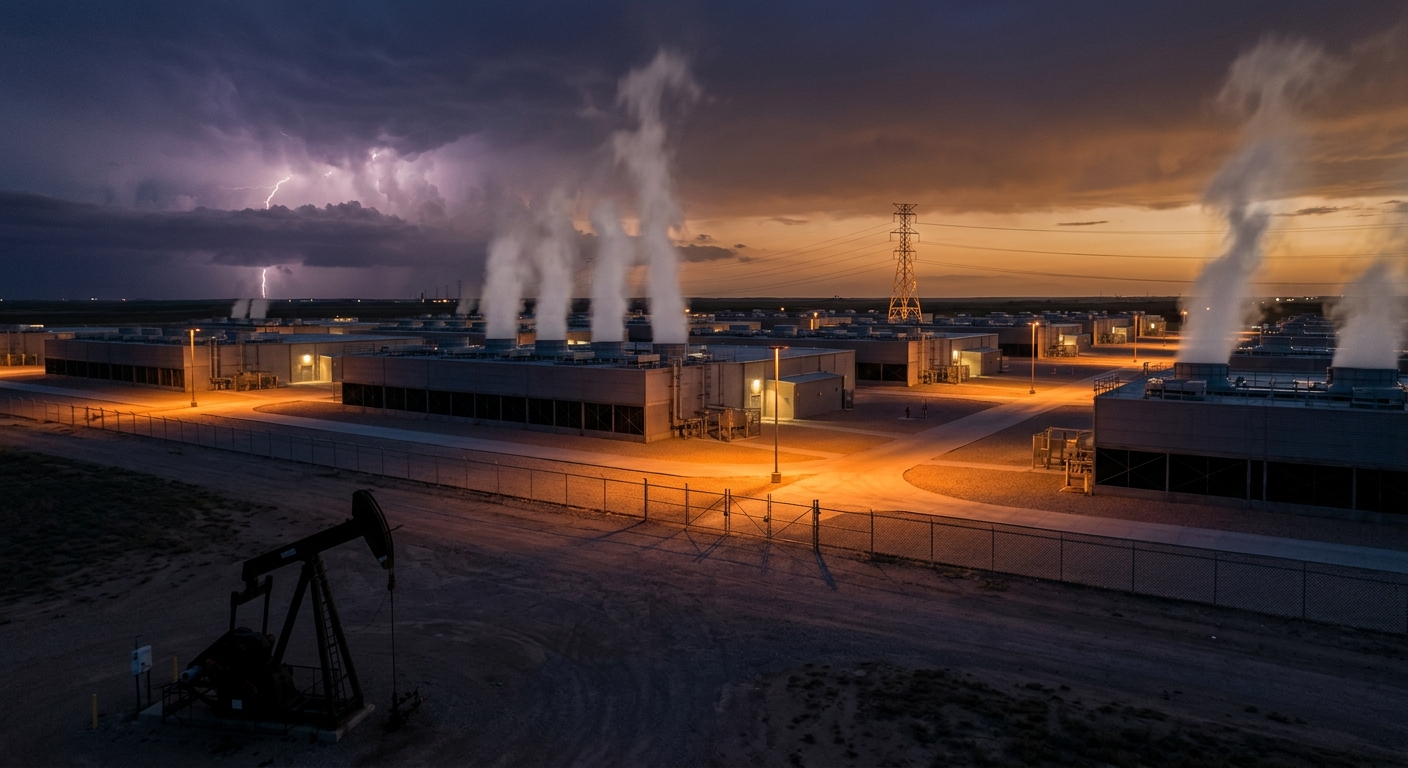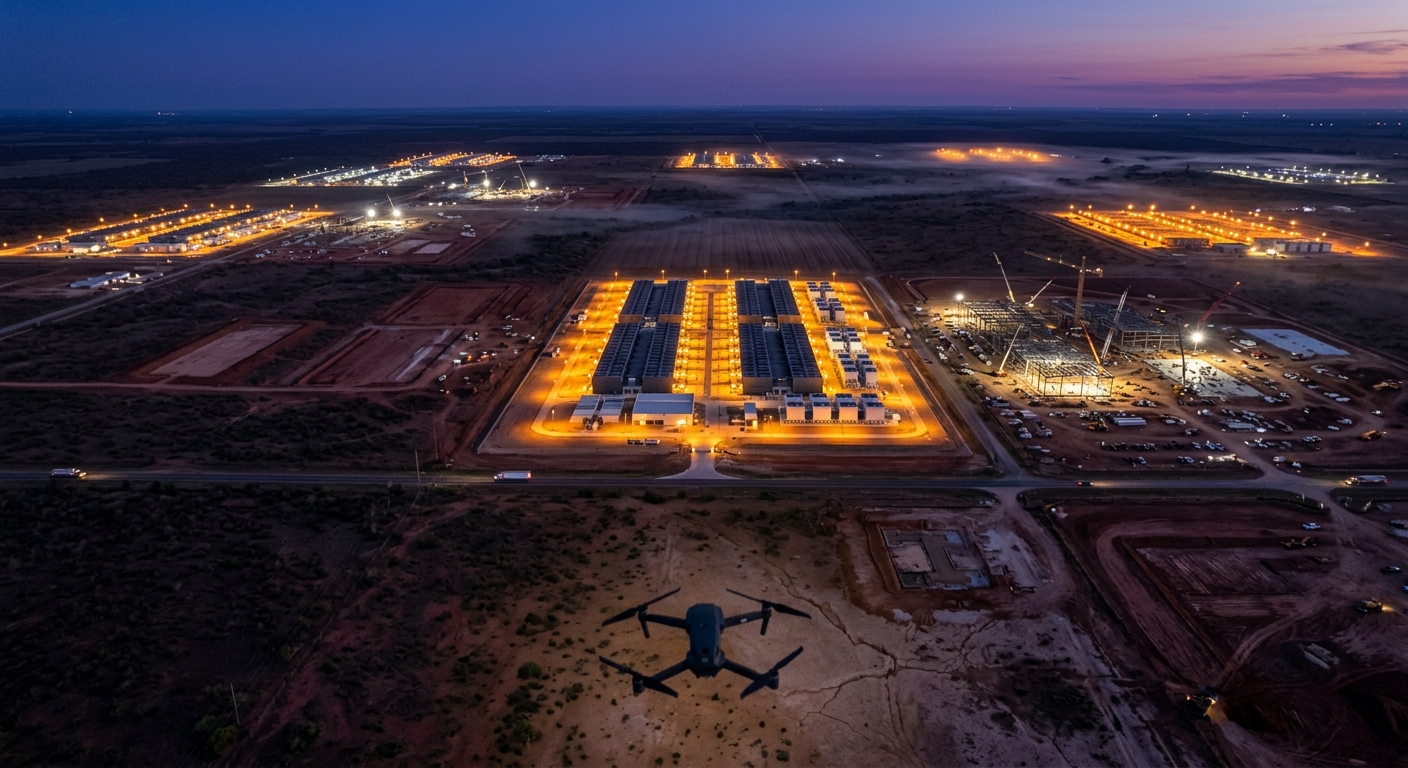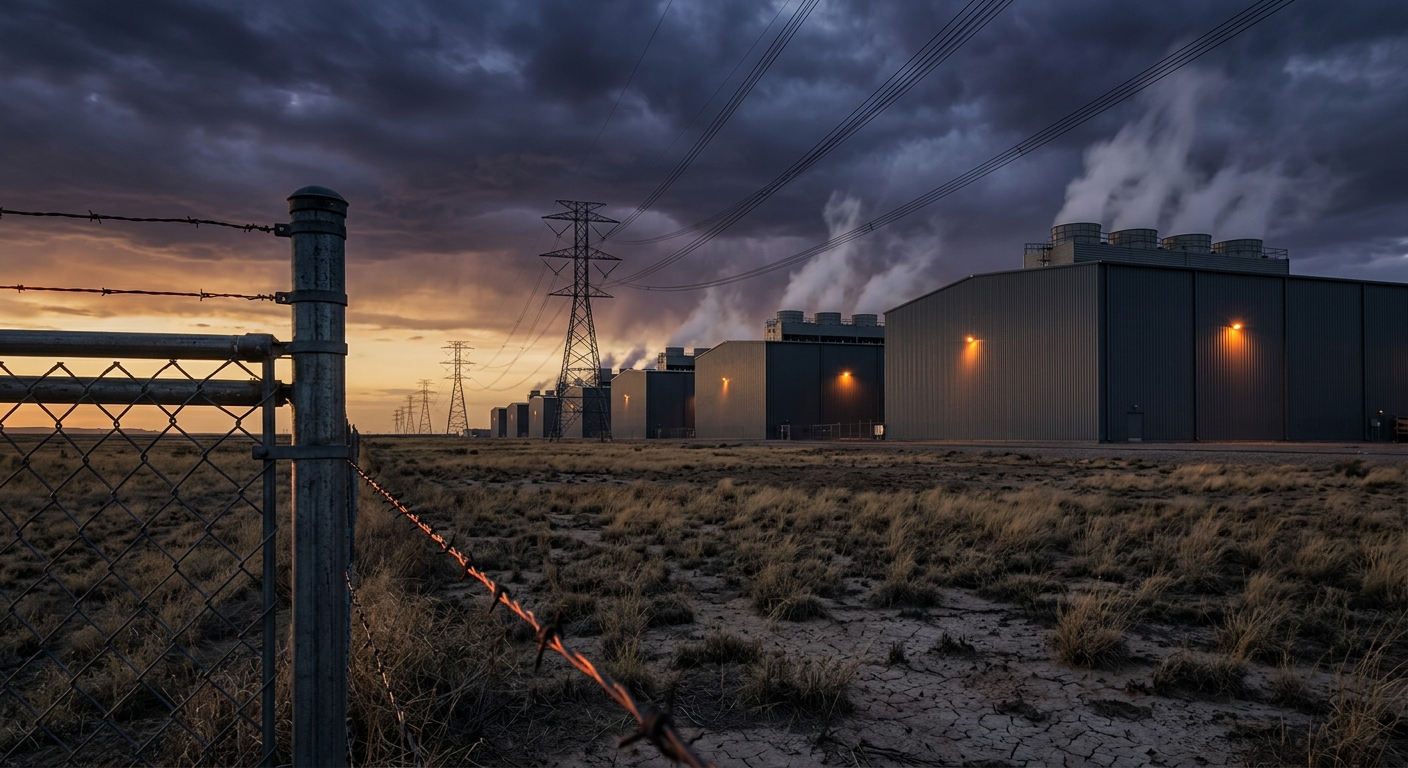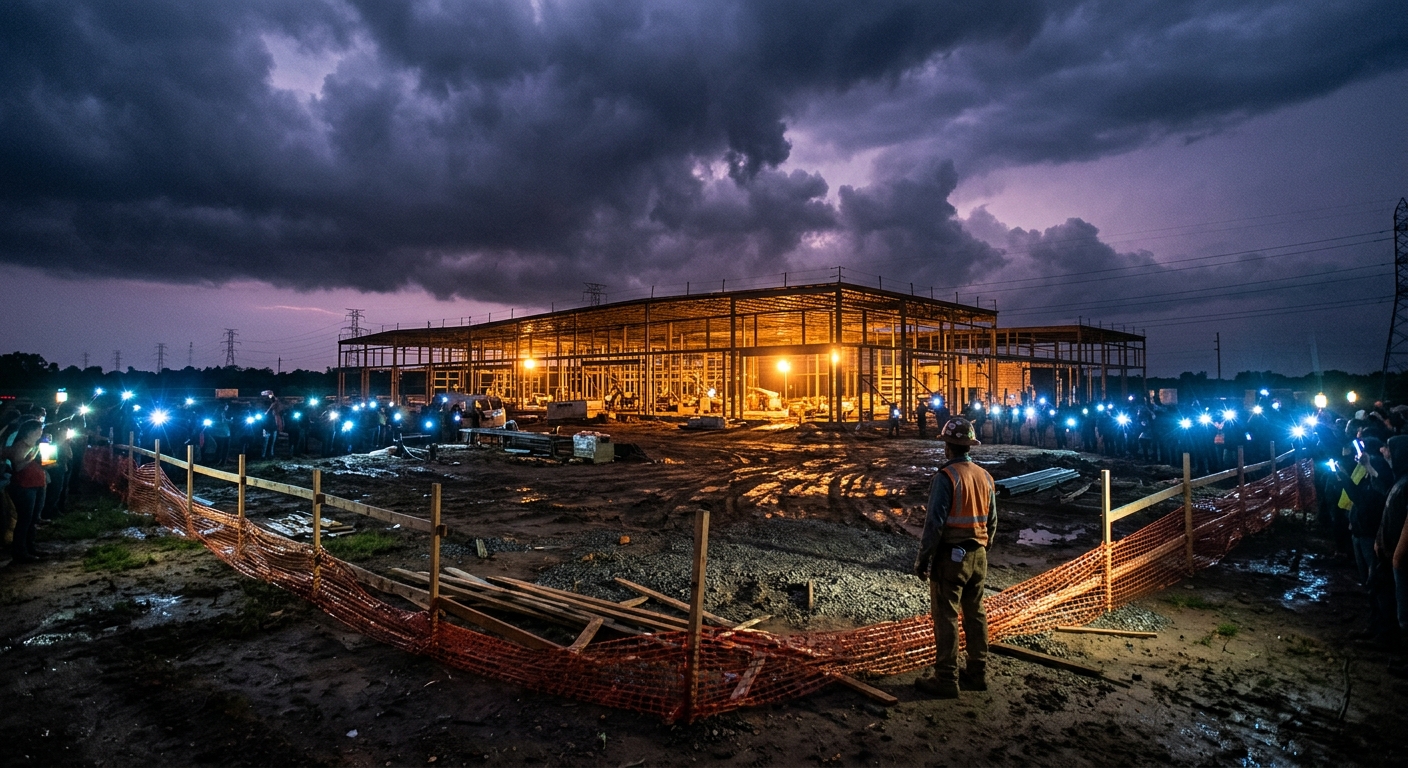
The most expensive constraint on American AI infrastructure in 2026 is not chips, not transformers, not electricians. It is consent.
Data Center Watch, which tracks local opposition to data center siting, found that at least 75 projects worth approximately $130 billion were blocked or delayed between January and March 2026 — the worst quarter on record for the industry, and by a wide margin. For comparison, the same tracker’s earlier cumulative report had put blocked-and-delayed value at around $64 billion across a much longer period. The first quarter of this year roughly doubled the all-time total.
That is not a cyclical dip. It is a phase change.
The organizing numbers
The underlying figures explain why the industry did not see it coming.
Active opposition groups more than doubled to 833, spread across 49 states. Forty-nine. There is essentially nowhere in the country left where a developer can assume a greenfield site comes without an organized counterparty.
More than 300 bills were introduced in state legislatures in the first six weeks of 2026 touching data center siting, taxation, power procurement, or water use. Most will die. The ones that pass do not need to be numerous to matter, because they convert an ad hoc fight into a permanent procedural requirement.
At least 69 local government units had enacted outright bans as of May 2026, with more since.
Seattle — the home city of both Microsoft and Amazon — passed a one-year pause, affecting five proposed projects. It is the largest city to do so, and the symbolism is difficult to overstate: the municipality that hosts two of the world’s three largest cloud providers declined to host more of their buildings.
And polling shows around 71% opposition to data centers being sited in the respondent’s own area.
Why this coalition is different
The instinct is to file this under NIMBY and move on. That reading misses what makes the 2026 wave durable.
It is genuinely bipartisan. The opposition is not organized along the usual environmental-politics axis. Rural conservative counties are objecting to eminent domain for transmission lines, to tax abatements that shift the burden onto existing residents, and to foreign or opaque ownership. Suburban progressive municipalities are objecting to water draw, emissions from on-site gas generation, and noise. Both arrive at the same vote.
The grievance is concrete and personal. Earlier infrastructure fights turned on diffuse harms that required an argument to perceive. This one turns on the electricity bill, which arrives monthly, and the well, which either has water in it or does not. When a household’s utility costs rise and a hyperscale facility opened up the road, no persuasion is required.
The playbook is now shared. Data Center Watch’s own framing is that communities have internalized an opposition playbook — a repeatable sequence of records requests, interconnection-queue analysis, abatement-hearing testimony, and litigation threats that transfers between counties without any central organization. That is what turned a scatter of local disputes into a national capacity.
And the industry’s usual close stopped working. The jobs argument is weak on its own terms: a large facility employs perhaps 50 to 150 permanent staff after a construction boom that ends. When the abatement is worth $200 million and the permanent headcount is under a hundred, the arithmetic is available to anyone who does it out loud at a public meeting, and increasingly someone does.
What the opposition gets wrong
Three things, and they are worth saying plainly because the movement’s own credibility depends on them.
“Blocked or delayed” conflates two very different outcomes. A project delayed six months by a rezoning appeal and a project killed outright both land in the $130 billion figure. The headline number is a measure of friction, not of cancellation, and treating it as the latter overstates the case considerably.
Displacement is not reduction. A facility rejected in Virginia is frequently built in Ohio, Wyoming, or Georgia — often in a jurisdiction with weaker environmental review, cheaper and dirtier power, and less local capacity to negotiate. Local wins can produce a worse global outcome. Any serious version of this movement has to grapple with where the workload actually goes.
Some of the opposition rests on bad numbers. Water and power figures circulating in local fights are frequently drawn from announced nameplate capacity rather than metered draw, or from single-facility anecdotes generalized nationally, or from AI-water-consumption estimates whose methodology does not survive scrutiny. When a developer corrects an inflated figure at a hearing, the correction discredits the accurate concerns standing next to it. The strongest local campaigns this year have been the ones that used utility interconnection filings and metered municipal water records rather than press coverage.
The part that concerns privacy directly
Under the local-consent regime that is now being fought over, a data center proposal generates a documentary record: zoning applications, abatement negotiations, traffic and noise studies, water agreements, public comment. That record is imperfect and heavily redacted, but it exists, it is subject to state public records law, and it can be litigated.
The federal response to the consent bottleneck has been to eliminate that record. Executive Order 14318 routes qualifying projects around local zoning and environmental review, and the Army’s Enhanced Use Lease program sites facilities on federal military land — where county agendas, state open-meeting laws, and state records statutes do not reach.
That is the trade being made. The most effective tool communities have found for extracting information about these facilities is the ability to say no, and the federal answer to communities saying no is to remove the venue in which they say it. The transparency loss is not a side effect; it is structurally the point of the workaround.
What it means in practice
Two facts sit next to each other. First, roughly 800 data centers are under construction in the United States right now — the build-out is proceeding at enormous scale. Second, $130 billion of additional projects hit a wall in a single quarter, opposition groups exist in 49 states, and the most permissive large state in the country stopped approving new grid connections entirely.
Both are true. The boom is real and the resistance is real, and the resolution being pursued at the federal level is not to reconcile them but to make the resistance jurisdictionally irrelevant. Whether that works is the defining infrastructure question of the next eighteen months.
What you can do
- Find out whether your area already has a group. With 833 active organizations across 49 states, the odds are good that someone near you has already pulled the filings, and duplicating that work wastes the scarcest resource in these fights, which is volunteer time.
- Build your case on metered records, not announcements. Utility interconnection filings, municipal water billing records, and the developer’s own abatement application are public in most states and are the only figures that hold up under cross-examination at a hearing.
- Ask for conditions before asking for a ban. Metered disclosure, water-use caps with penalties, decommissioning bonds, and ownership transparency have all survived this year. Outright moratoria have repeatedly drawn litigation and, as Hill County, Texas found, sometimes collapse within a month.
- Read the abatement, closely. The tax agreement is where the leverage is, and it is where the disclosure obligations can be written in. Once it is signed, the leverage is gone for twenty years.
- Track whether a rejected project reappears on federal land. If a proposal near you disappears and resurfaces adjacent to a military installation, the local process is not being lost — it is being routed around, and that is a different fight requiring congressional rather than county pressure.